He Who Photographed Dykedom

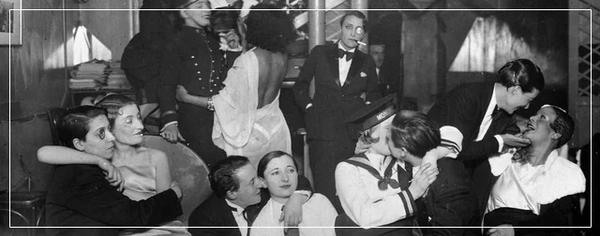
Lately I am greatly annoyed by and grateful to the photographer Brassaï (1899-1984). My research into his photography of lesbiqueertrans folks at Monocle have happily taken up days of my life, but not just the Le Monocle images I wrote about previously. I am wading through Brassaï because took what are likely the earliest dyke bar* photos in history, in 1930s Paris. But how? And why?
It's a bit of thank goddess these exist *and* our people were used to make some (reportedly cis-straight) white dude's career. And it's important to trace how these two elements are mutually true to understand how lezbiqueertrans people shaped 1930s Paris.
I've put a selection of some of the most powerful of his photos below. Brassaï would, over time, become famous for photographing sex workers, the working class, and lesbians – many of whom were one and the same – for his subjects. In her 1999 Brassaï: the Eye of Paris, art historian Anne Wilkes Tucker writes of Brassaï:
He encountered other institutions on his routine paths through Montparnasse. Both the brothel Le Sphinx and the lesbian bar Le Monocle were located on the Boulevard Edgar-Quinet, just a short walk down the rue Delambre from the Café du Déme. Finishing their evenings-on-the-town at dawn, Brassaï and his friends would go to Les Halles for fresh onion soup. There, they would see the broad-shouldered workers and loosely clothed prostitutes also finishing their “day.” Accompanied by other artists and friends, Brassaï attended street fairs, circuses, clubs, and artists’ balls. Calling on the mental images that he had collected from those early wanderings about Paris and from his reading, Brassaï sought to make photographs that conveyed the essence of his experiences and learning.
Tucker is more positive than I would be. Even Henry Miller found him annoying in that Brassaï boasted to being friends with him, which Miller denied to his face.
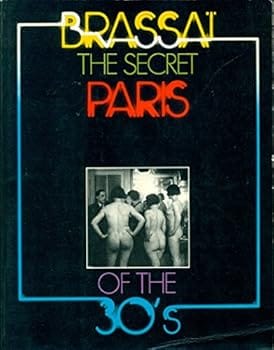
But Brassaï released these photos in a section of his 1976 book called "Sodom and Gomorrah"! In that book, Brassaï's The Secret Paris of the 1930s, his title alone sets up these images as sultry, hidden, and now revealed images to be feasted upon. Even though I know this text was written in a different era, there's clearly the sense of spectator looking upon his subject, rather then demonstrating any capacity for empathy or solidarity. For example, here's Brassaï's own discussion of the Le Monocle photographs:
A tornado of virility had gusted through the place and blown away all the finery, all the tricks of feminine coquetry, changing women into boys, gangsters, policemen. Gone the trinkets, veils, ruffles! Pleasant colors, frills! Obsessed by their unattainable goal to be men, they wore the most somber uniforms: black tuxedos, as though in mourning for their ideal masculinity ... And of course their hair—woman’s crowning glory, abundant, waved, sweet-smelling, curled—had also been sacrificed on Sappho’s altar. The customers of Le Monocle wore their hair in the style of a Roman emperor or Joan of Arc. Even their perfumes—frowned on here—had been replaced by Lord knows what weird scents; more like amber or incense than roses and violets.
The detailed description and images of Le Monocle are indeed priceless. Or maybe the price we paid is being on display all of these years through the eyes of Brassaï. At least he spent enough time at Le Monocle and other sapphic cabarets to take in and then write of a trope of lesbianism in his 1976 book:
For that matter, one-night stands didn't interest them. These women, their passions slower to ignite, generally looked for more devotion and fidelity in their love affairs than do [gay men], most of whom cruise a lot and are often content with a quick trick.
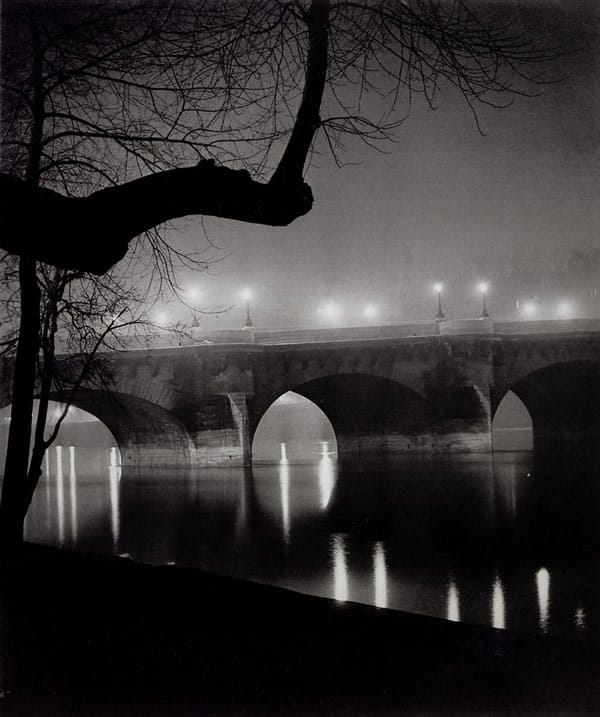
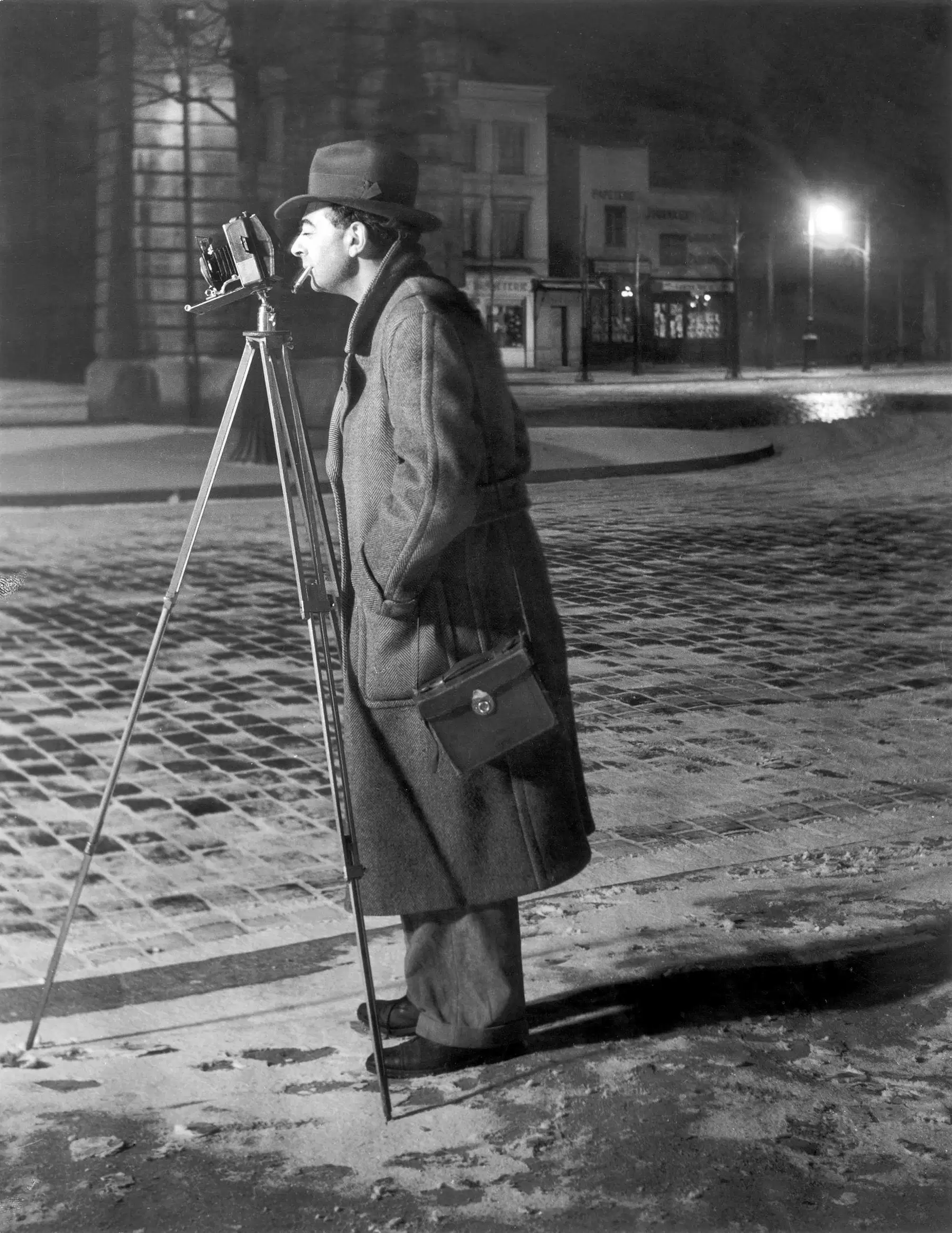
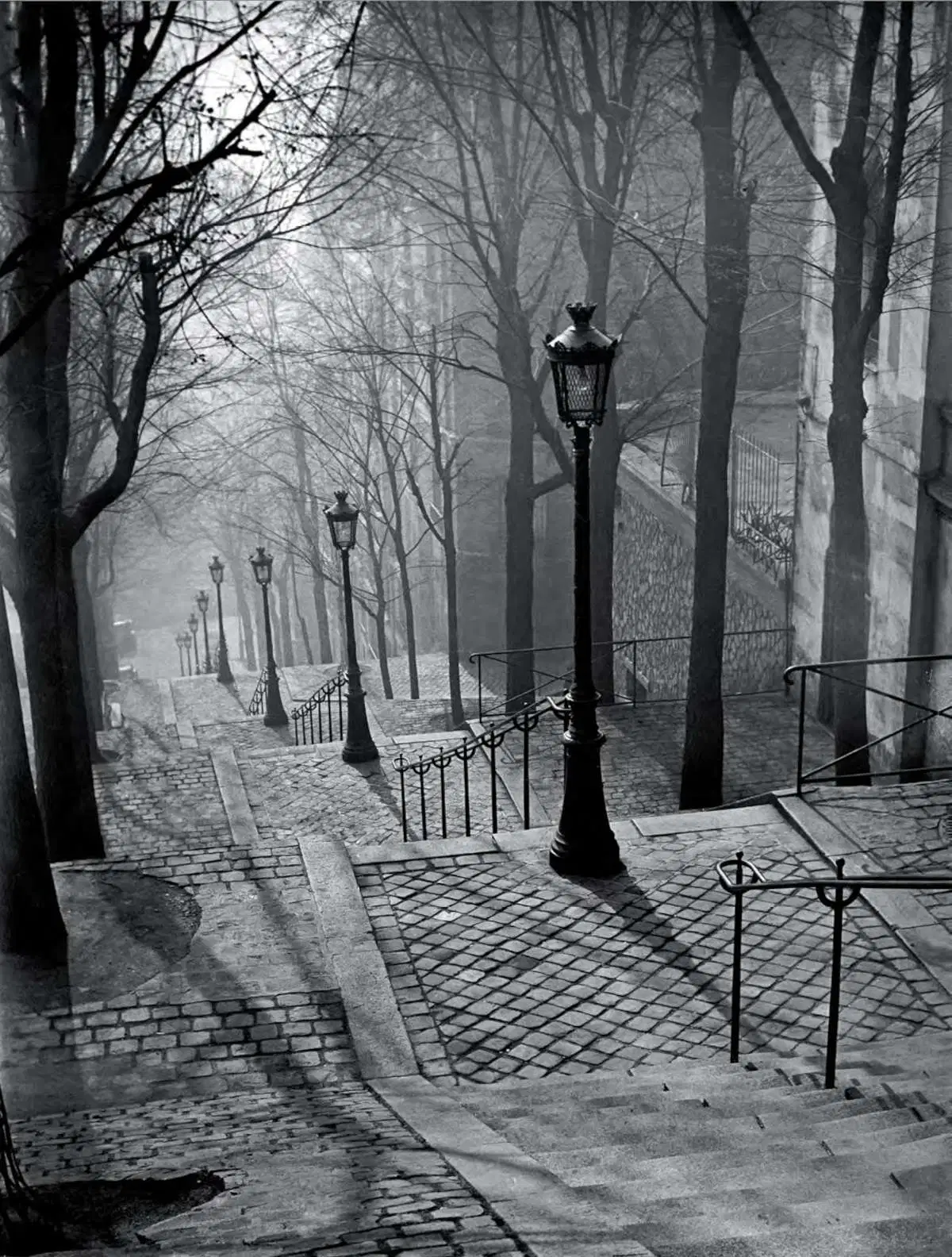
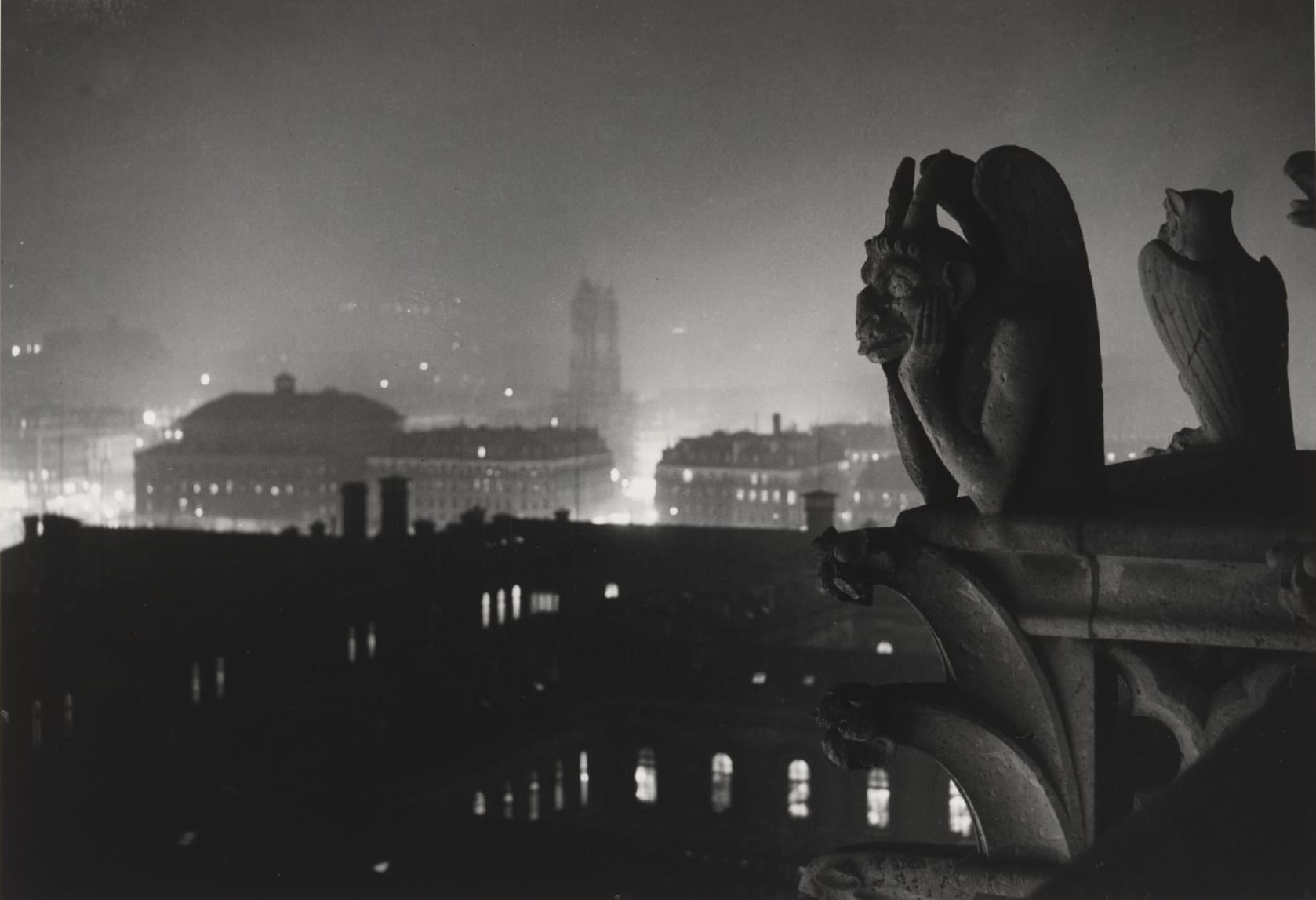
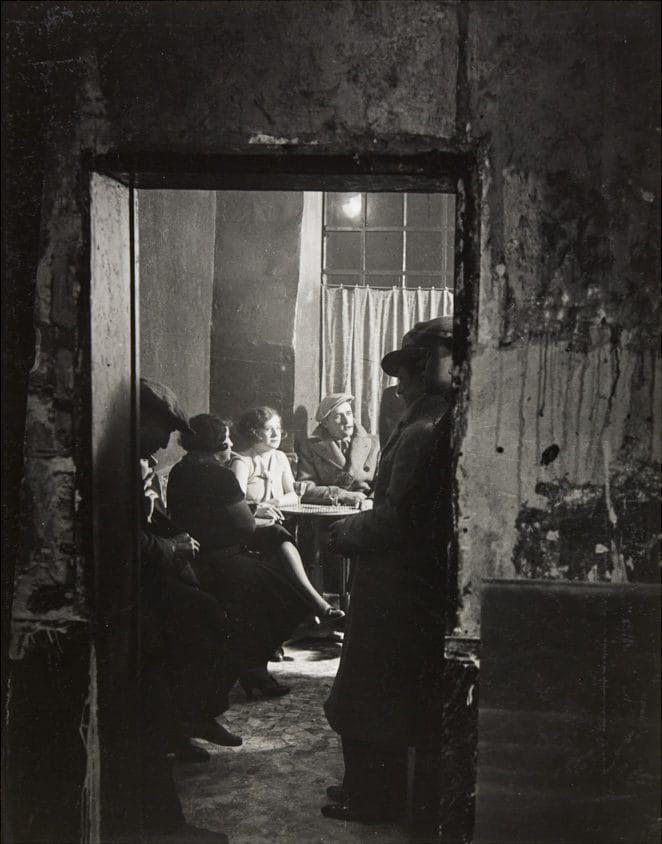
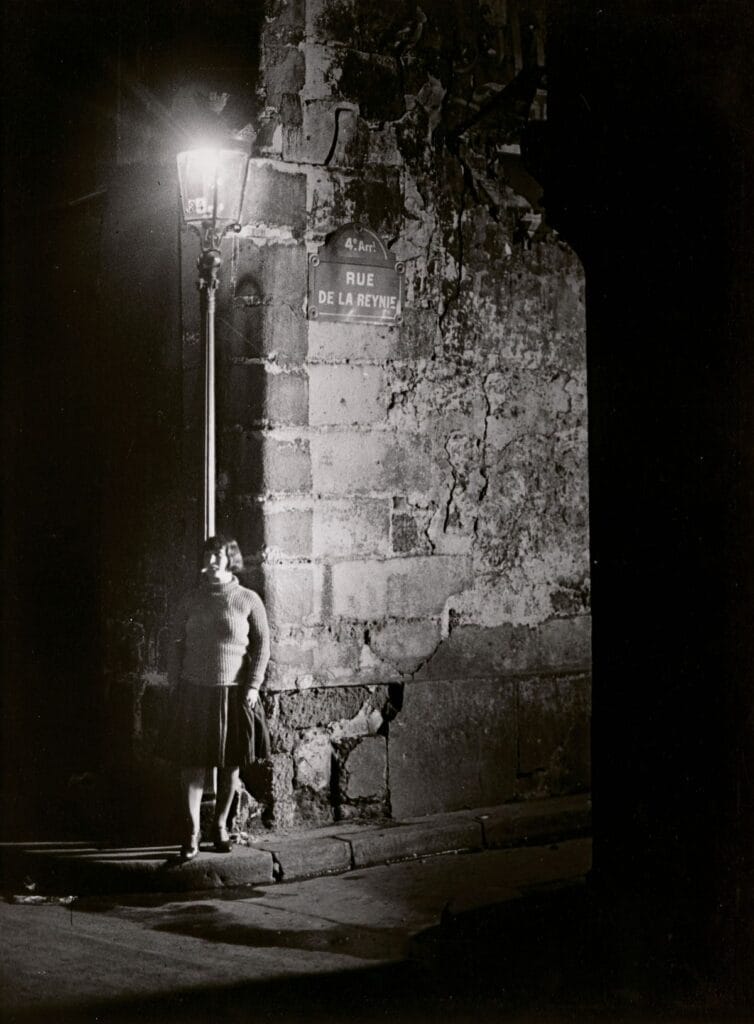
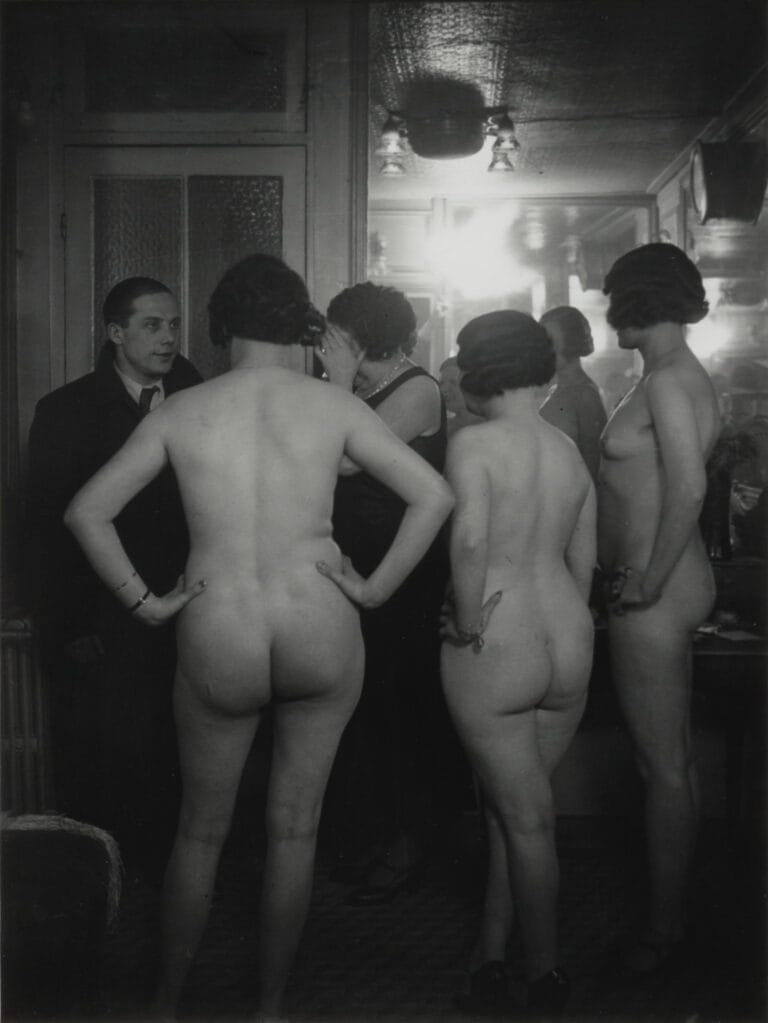
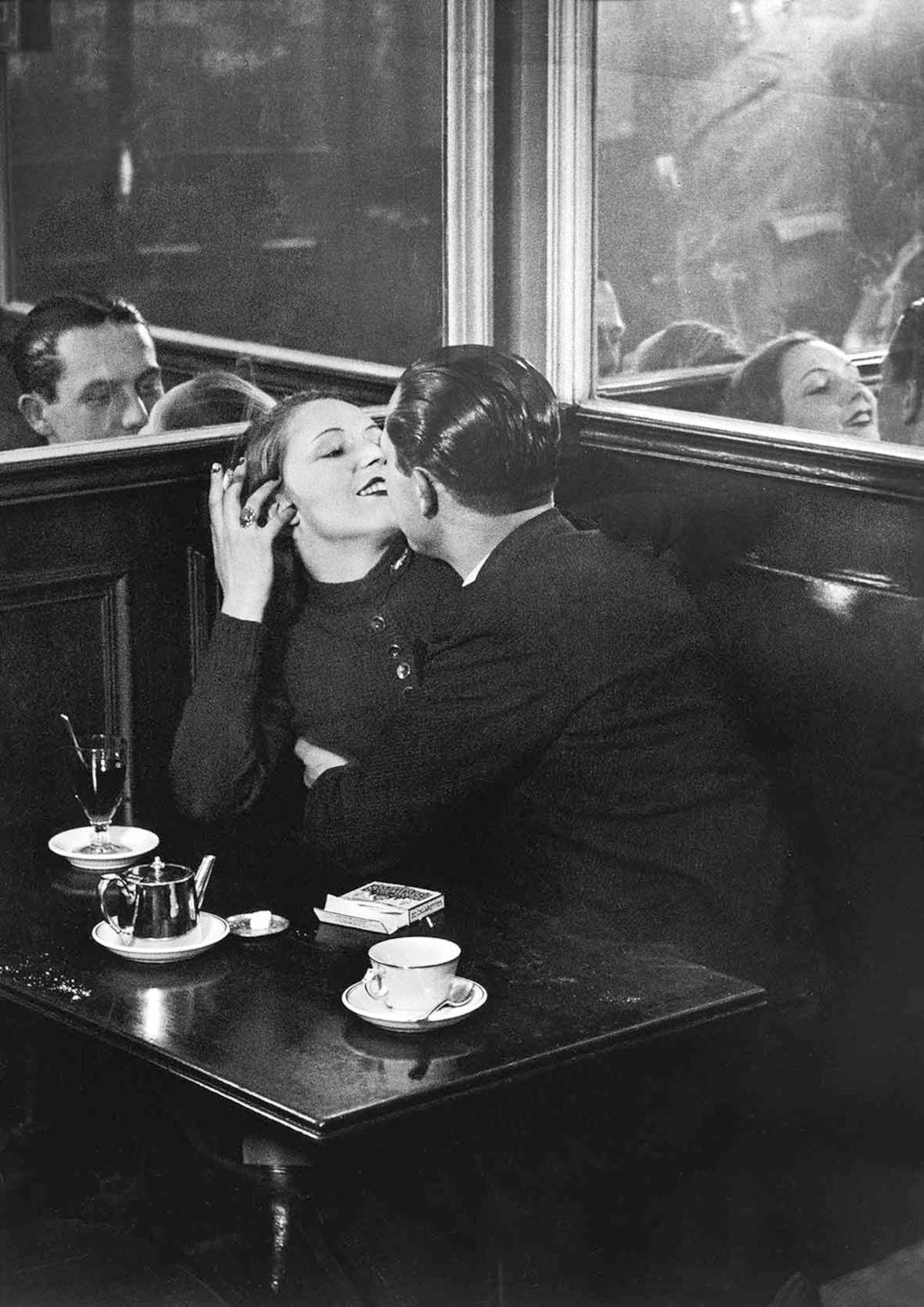
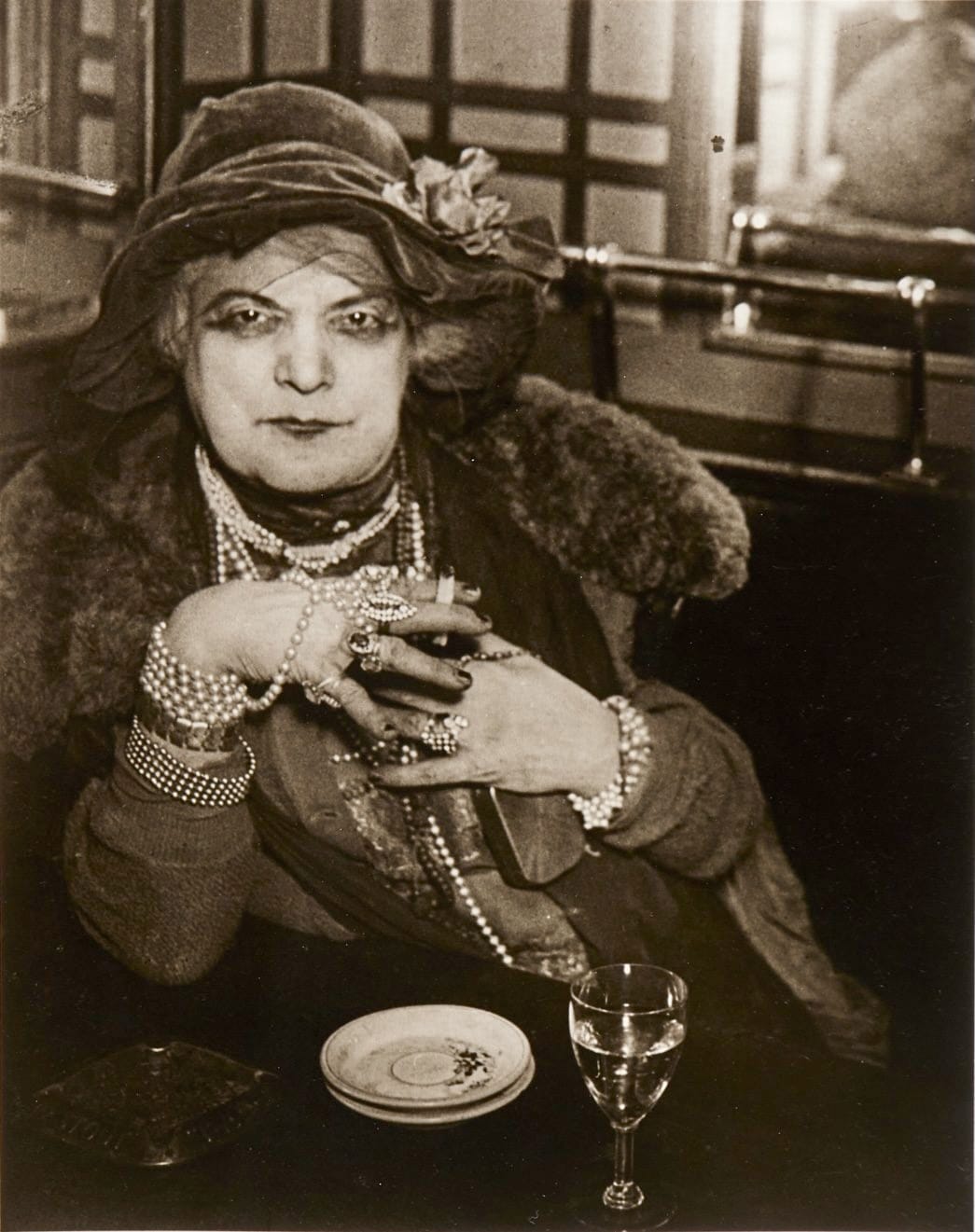
Some of Brassaï's most famous photographs beyond the Le Monocle images.