Reading Guide: Le Monocle, 1932
Look upon this delightful lezbiqueertransness of the 1930s! Welcome to Paris' sapphic cabaret Le Monocle.

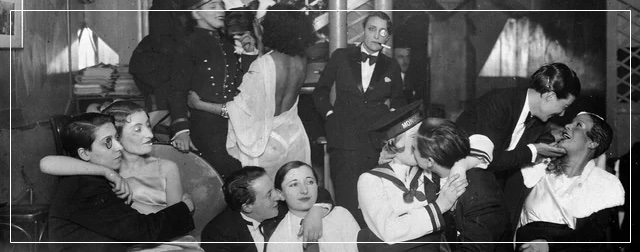
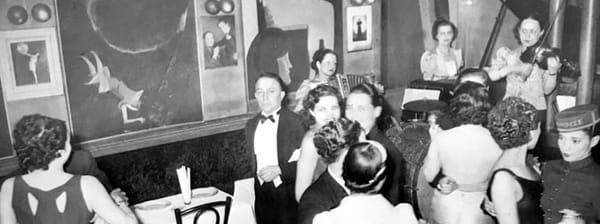
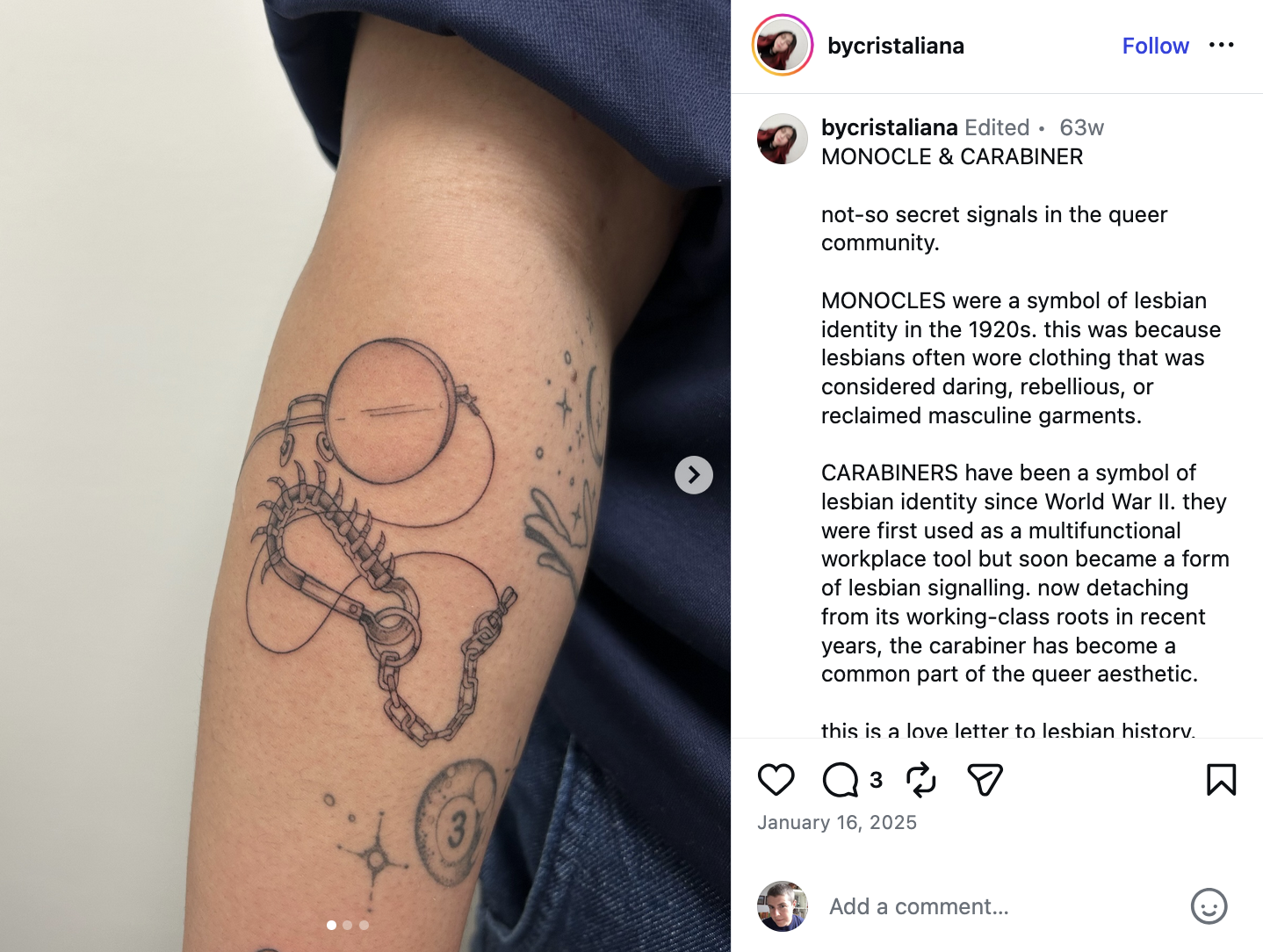
Georges Brassaï’s 1932 photographs of Parisian lesbian club Le Monocle are some of the most enduring images of early 20th century queer nightlife. The monocle itself—worn by masculine women in Paris and in normative-bending circles across Europe—is a specific queer visual code, a marker of gender presentation and affiliation. In other words, the monocle is the early 20th-century Parisian equivalent of the 2000s' carabiner. Notably, Le Monocle lasted for decades, a rare accomplishment for a lesbian bar. It was a hub for sex workers and a place where working-class dykes gathered.
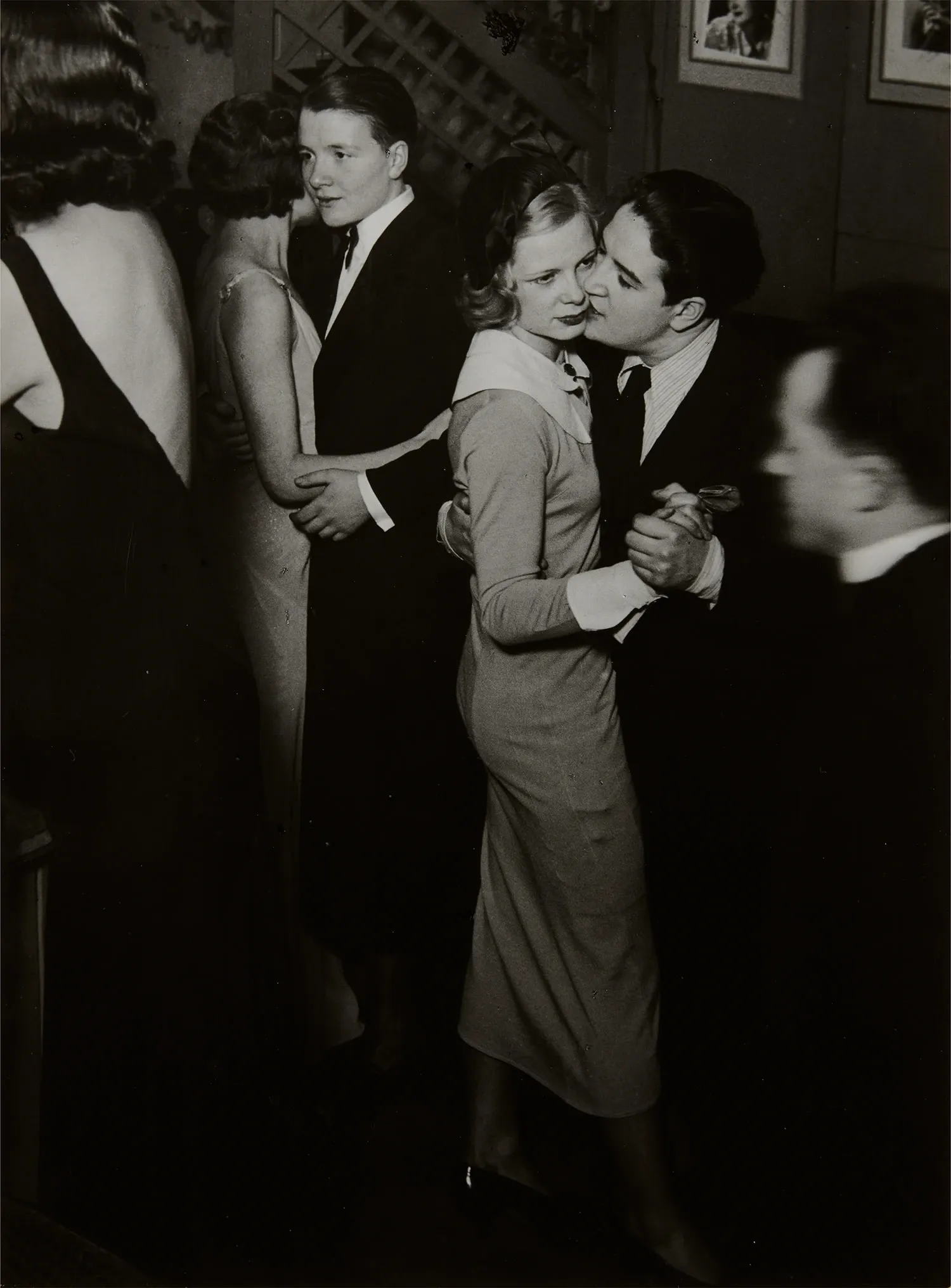
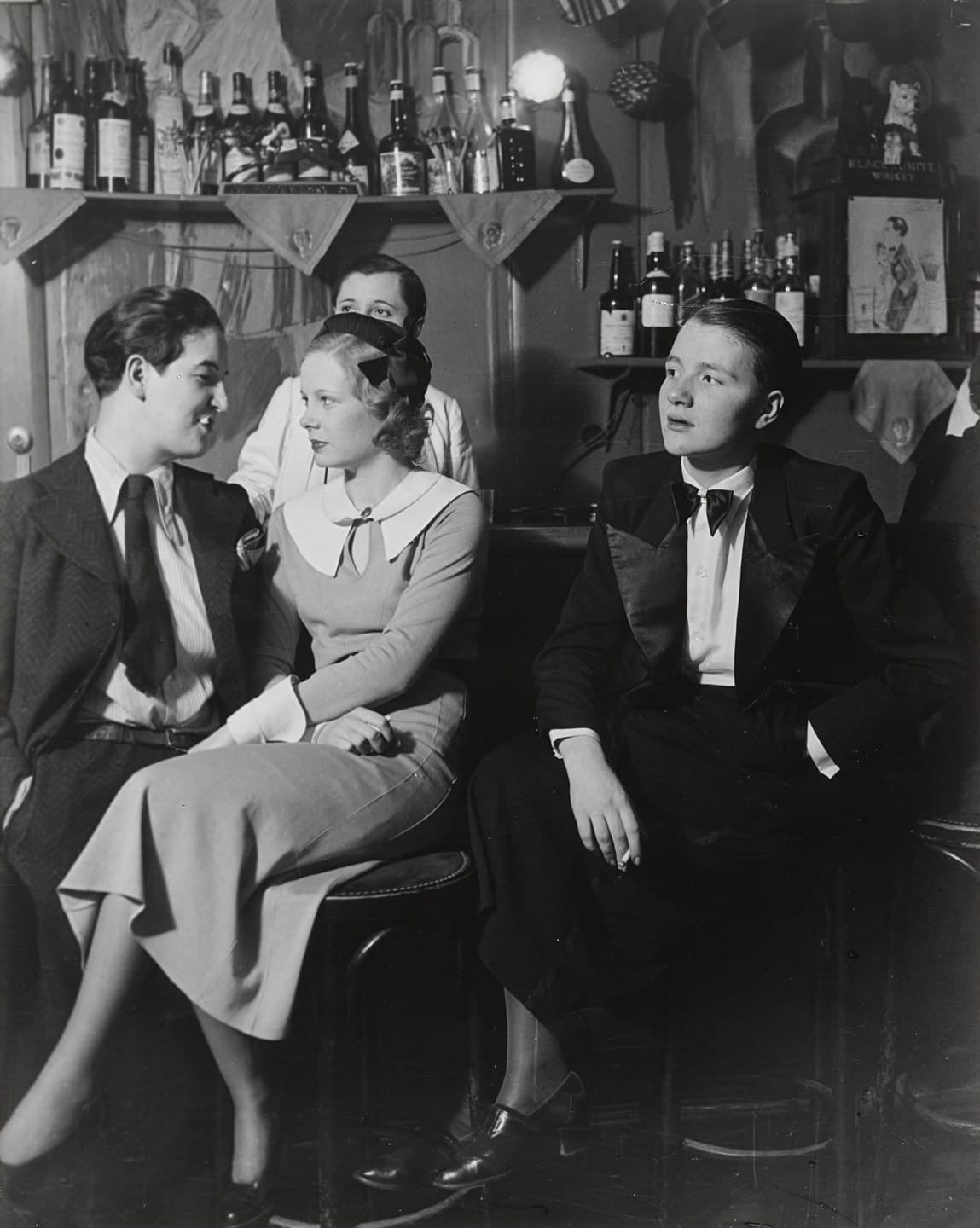
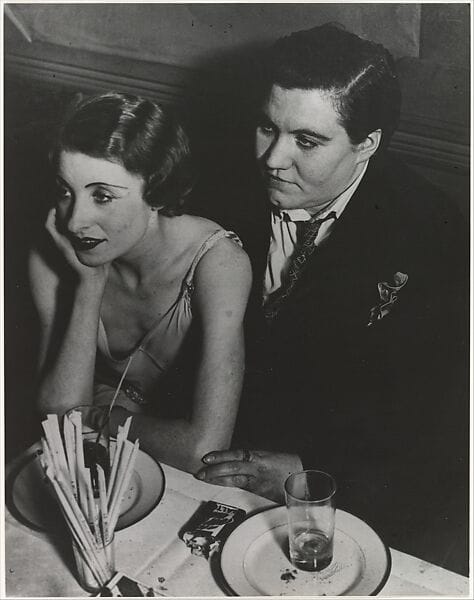
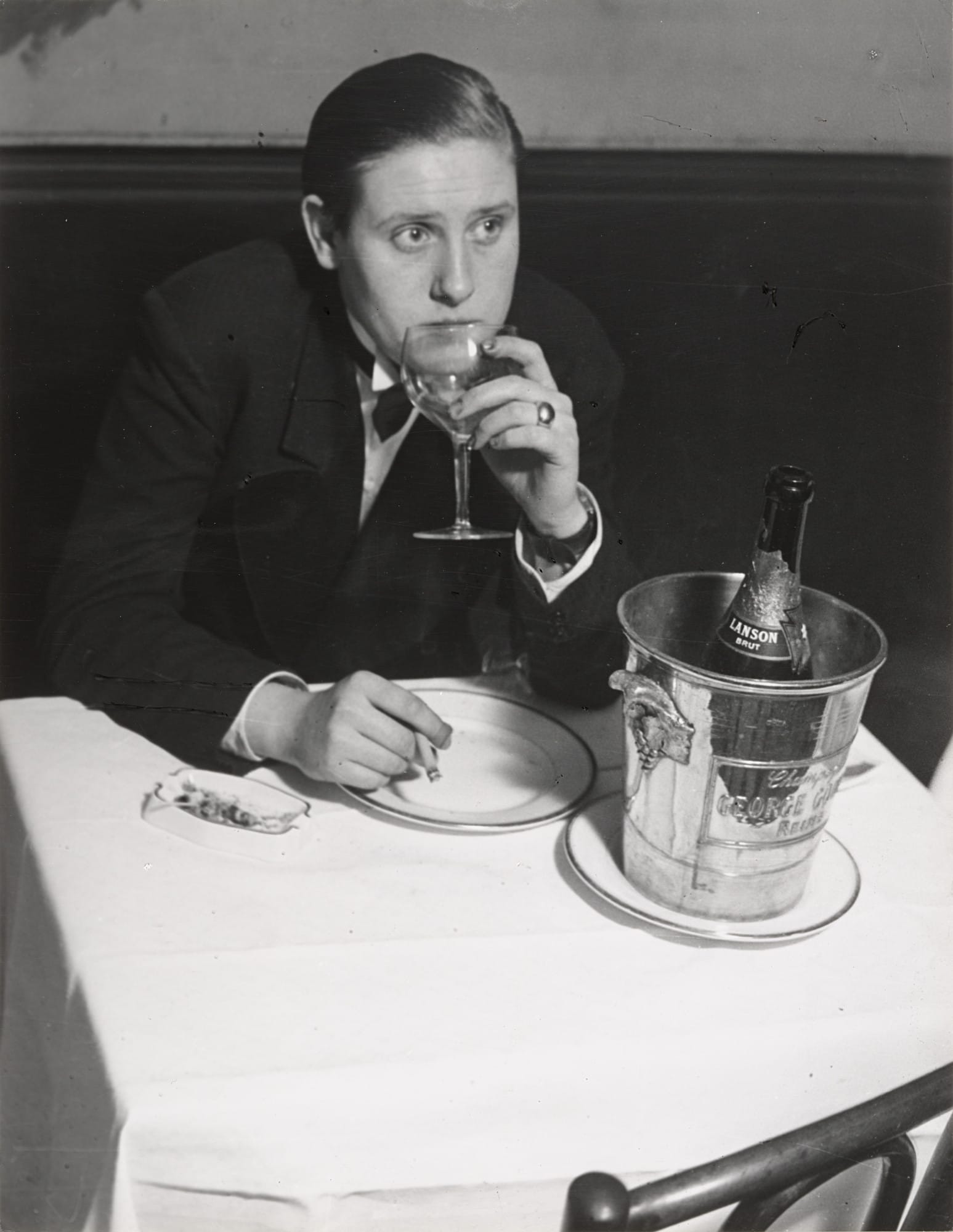
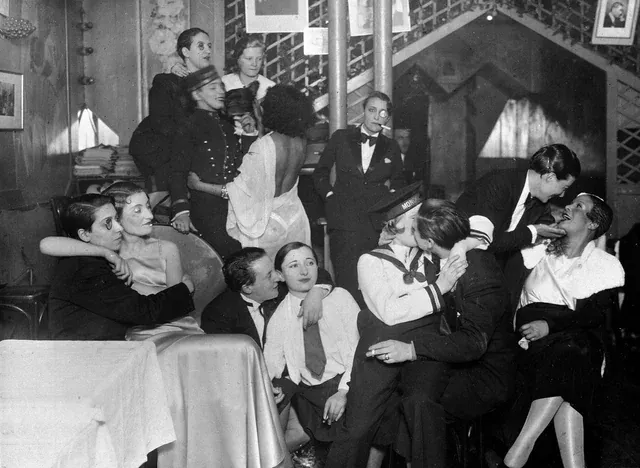
Some of Brassaï's 1932 Le Monocle photographs.
The images offer a dense visual archive: Lulu de Montparnasse, the club’s owner, in tailored menswear (pictured bottom right and in other photos). There are patrons whose postures and gazes index intimacy, ease, and self-fashioned gender. This is the strong juxtaposition of elegance and risk that characterized interwar lesbian nightlife, especially in Paris and Berlin.
The most reproduced image purportedlt depicts the butch athlete Violette Morris and her partner (pictured top right). Morris’s life, both extraordinary and troubling: she was an Olympic-level athlete with over 50(!) medals, gender nonconformist expert race car driver, and, tragically and violently, a collaborator with the Nazi regime. Morris’ life helps us contend with the complexity of queer history as a "bad gay," and how we complicate and must confront the fascism of today.
Viewing the Le Monocle photographs nearly a century after they were taken, we’re struck by the similarities between patrons of Le Monocle and modern dykes. Many of us still dress to the nines to stare pensively into the distance. These photographs resonate not because they romanticize the past, but because they show a lesbian place that is recognizable: a room where dykes and trans people gather to see and be seen, to craft gendered and erotic worlds with one another.
Paris rang all strata to its urban enclaves, like a clear bell of where to find home. It was brimming with wealthy lesbianism the likes of Natalie Barney’s salons, Gertrude Stein and Alice B. Toklas’ salons, as well as their walkabouts and rideabouts, among many other many dykes. But the dykes who went to those fancy salons would rarely have crossed into the working-class Le Monocle and the other sapphic cabarets.
If you want to dive deeper into the historical muff of a century of lesbian Paris, we heartily recommend Tamara Chaplin’s thick, dishy, and detailed Paris Becoming Lesbian: A Queer History of Modern France. And if you just want to know about the wealthy, or you too are obsessed with the birth of modernism, Diana Souhami’s No Modernism Without Lesbians is that gossipy beach read that will leave you with all the best dyke history tidbits to woo the girls/bois/thems at the party.
Here are the Our Dyke Histories
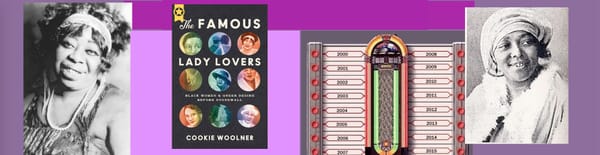
- The LezQueer World before Bars: 1920s-1930s with Lillian Faderman & Cookie Woolner (Part 1)
- When Paris and Berlin Were Dyke Bars* of the 1920s-1930s with Lillian Faderman & Cookie Woolner (Part 2)
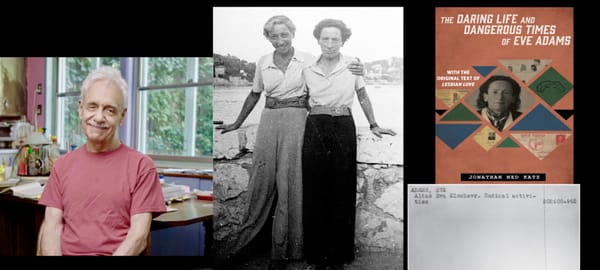
- Tea, Anarchy, and the First Dyke Bar: Eve’s Hangout 1925 with Jonathan Ned Katz (Part 1 of 2 with Katz)
- Books, Bulldaggers, and the Birth of Lesbian Research with Jonathan Ned Katz & Julie Enszer (Part 2 of 2 with Katz)
To complement the launch of the Our Dyke Histories podcast, co-produced in collaboration with Sinister Wisdom, I put together a reading guide with my interns Michaela Hayes, Mel Whitesell, Paige LeMay, Syd Guntharp, and Sarah Parsons, with expanded edits to this version by me. A shorter version of this post was originally published with the Sinister Wisdom Blog, 7 Jan 2026. This post was expanded by the lead author.