Reading Guide: Beyond Harlem Rent Parties, 1920s-1930s
We’ve long known all too little about the history of Black queer women’s social networks prior to Stonewall–until now.

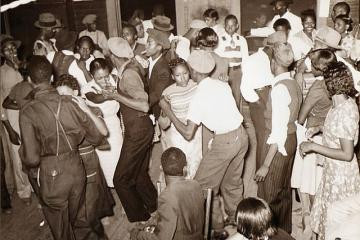
We’ve long known all too little about the history of Black queer women’s social networks prior to Stonewall. We mostly hear about the incredible rent parties in places like Harlem, Detroit, and more, where Black queer folks would host a party with food and music, guests would bring their drinks and drugs, and guests would contribute funds toward the host's rent. Of course, these women’s spaces thrived as much as white women’s spaces, and were equally daring, deeply fascinating, and terrifically important.
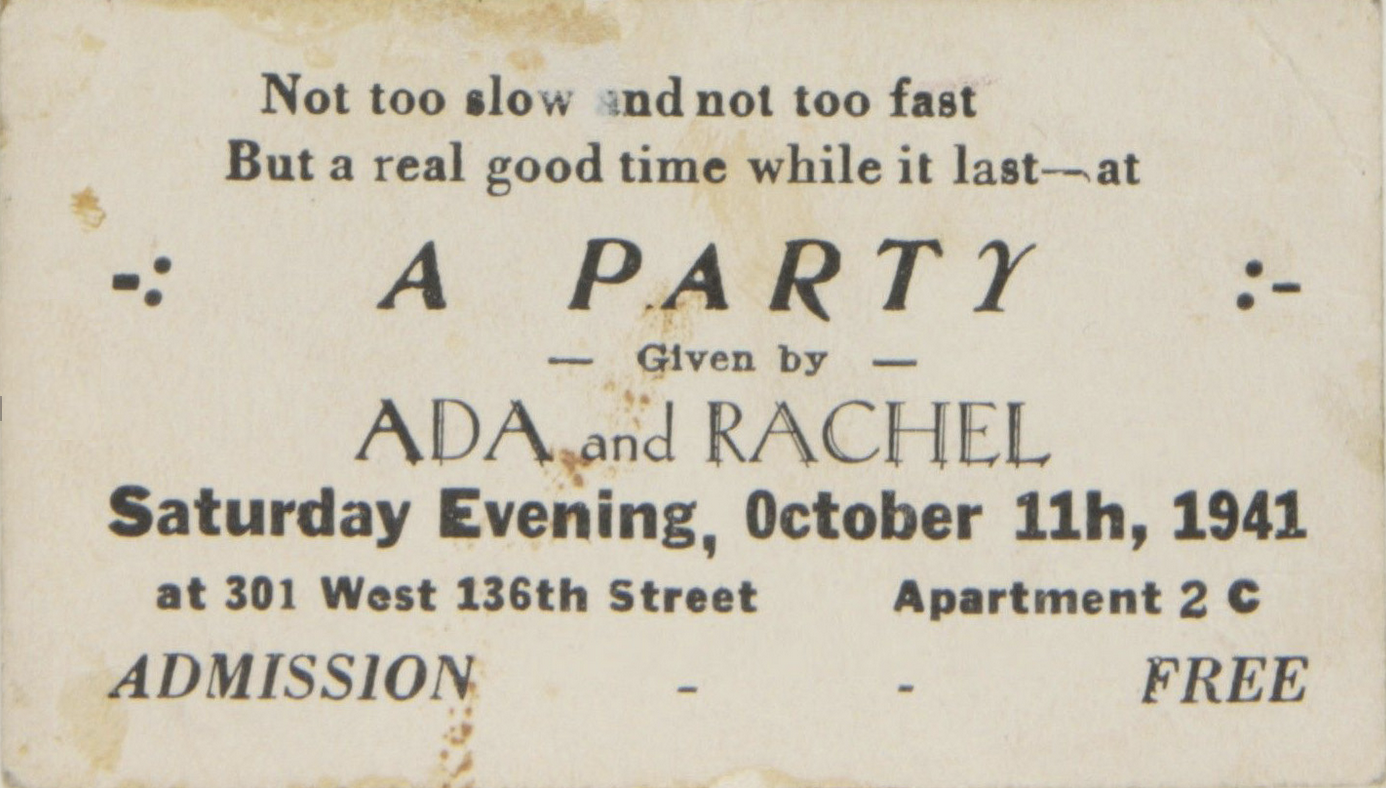
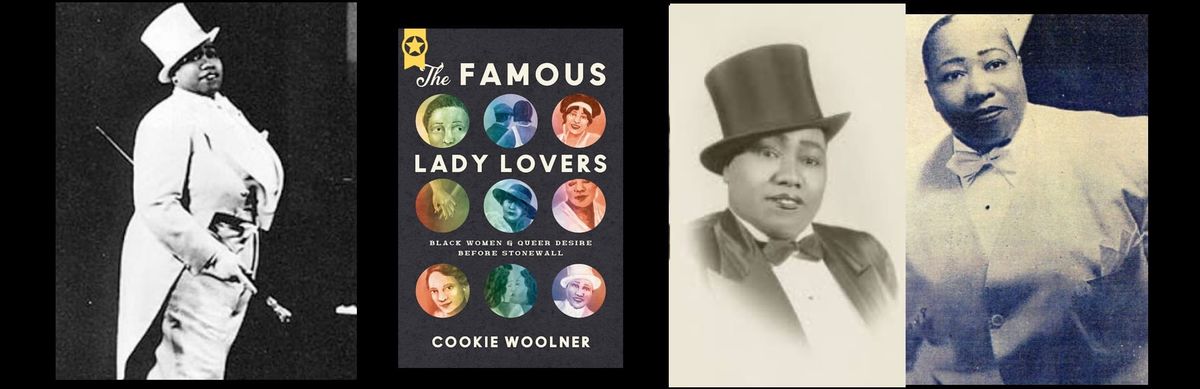
So thank the flipping goddess that Cookie Woolner traces the lives of Black “lady lovers” from blues legends to bulldaggers, from rent parties to private salons in the 1920s and 1930s. Her 2023 book, The Famous Lady Lovers: Black Women and Queer Desire before Stonewall (Chapel Hill: UNC Press) is utterly delicious.
The key takeaway?
Fixating on lesbian bar history alone leaves out BIPOC experiences, and private parties were the default for lezbiqueertrans life. We only just started to be public dykes in the 1930s.
Woolner has every famous Black dyke of the era you’ve ever heard of, like the stud of all studs and gender outlaw, Gladys Bentley, as well as other blues queens like Bessie Smith, Ethel Waters, and Gertrude "Ma" Rainey. She also does deep dives into the equally powerful and important but lesser known powerhouses, Lucy Diggs Slowe, Howard University’s first dean of women, and the relationship between Ethel Williams and Ethel Water (as Woolner refers to them,"The Two Ethels" are a must read). Her book sings the songs of the struggles, advances, and even some juicy hookups between these massive networks of Black dyke.
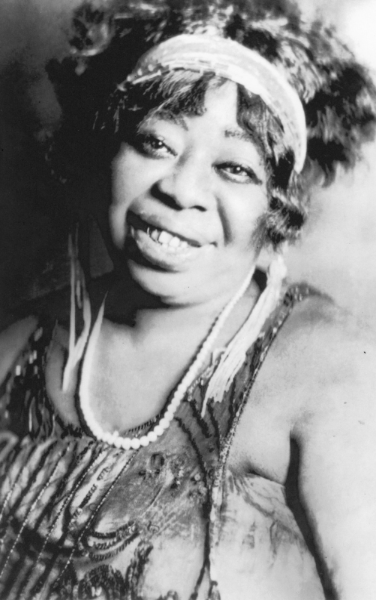
The stories in her research are moving, inspiring, harrowing, and also sexy. We cannot help but share the incredible lyrics to Ma Rainey’s “Prove It On Me, Blues.” While I published these in an earlier post, they bear repeating. She's pure fire!
It's true I wear a collar and a tie
Makes the wind blow all the while
Don't you say I do it, ain't nobody caught me
You sure got to prove it on me
Say I do it, ain't nobody caught me
Sure got to prove it on me
I went out last night with a crowd of my friends
It must've been women, 'cause I don't like no men
Woolner’s book also contains the definitive scoop on local papers would target lesbian rent parties as “dangerous to the health of all concerned” due to these fetes’ “combination of bad gin, jealous women and a carving knife.” Racism and misogyny are perpetual and need to end, y'all.
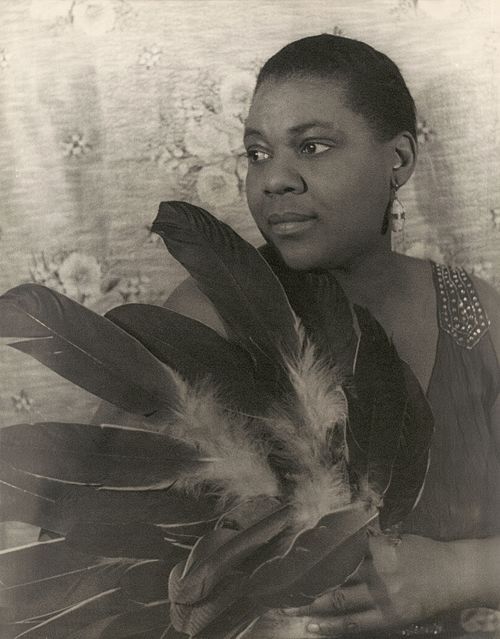
Woolner’s book is a powerful example of how lezbiqueertranssapphic nightlife, especially in non-white spaces, shapes itself in creative ways to survive while offering sites for queer peeps to politically organize, develop creative and literary partnerships, and socialize. It's a must read for queer history and Black history in the early 20th century.
Since I got to interview Cookie for Our Dyke Histories, I assure you she's just as fabulous in person as she is in her book, but with even more juicy tales to tell us. Here are the Our Dyke Histories episodes on the 1920s-1930s with Cookie herself to pair with this post – enjoy!
- The LezQueer World before Bars: 1920s-1930s with Lillian Faderman & Cookie Woolner (Part 1)
- When Paris and Berlin Were Dyke Bars* of the 1920s-1930s with Lillian Faderman & Cookie Woolner (Part 2)
To complement the launch of the Our Dyke Histories podcast, co-produced in collaboration with Sinister Wisdom, I put together a reading guide with my interns Michaela Hayes, Mel Whitesell, Paige LeMay, Syd Guntharp, and Sarah Parsons, with expanded edits to this version by me. A shorter version of this post was originally published with the Sinister Wisdom Blog, 30 Jan 2026. This post was expanded by the lead author.