But Do We Get to Stay?: Sex, Gentrification, and the 1980s
All the 1980s stories, insights, gossip, and images your dyke-loving heart desires.

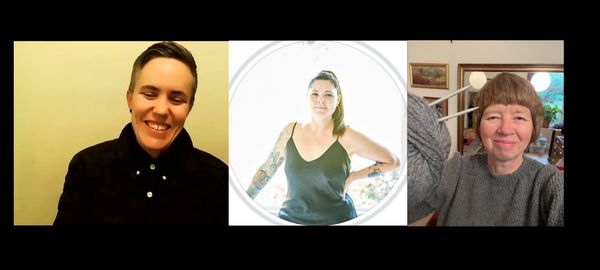
We are back with the second part of the extraordinary chat of activist and artist Valarie Walker, and authors Katherine V. Forrest and Sarah Schulman.
In this episode of Our Dyke Histories, we keep rocking through the 1980s: sex wars, lesbian bars, gentrification, bookstores, health centers, fiction, and the complicated work of building community. Jack Gieseking talks with Katherine V. Forrest, Sarah Schulman, and Valerie Walker about the places where queer people found one another—and what happened when those places changed. We visit Crazy Nanny’s, the only Black lesbian bar in Greenwich Village, the Christopher Street Pier, lesbian health centers, and the W.O.W. Café. We talk about bars as community, sobriety and the economics of keeping spaces alive, and the ways racism and class shaped who could gather. We also tackle (or are tackled by) the sex wars: the 1982 Barnard Conference on Sexuality, Women Against Pornography (the other WAP), pro-sex feminism, BDSM, leather, On Our Backs, and the essentialism versus social construction debate. We see gentrification begin to rear its head against and with queers just as the AIDS crisis evolves. In the end, we turn to representation and ask the enduring question: do we get to stay?

Introductions
[00:00:00]
Jack Gieseking - Narrator: Welcome to Our Dyke Histories. I'm your host, Jack Gieseking, historian, geographer, and environmental psychologist. We dive into the past and present of lez, queer, trans, sapphic, enby communities decade by decade in collaboration with multicultural lesbian literary and art journal Sinister Wisdom. This season, we're all about dyke bars, with an asterisk, lesbian bars, queer parties, and trans hangouts, the structures that made them necessary, the lives they made possible, and the worlds we made from them. Our Dyke Histories: come for the history, stay for the revolution, gossip, and desire that built us.
Welcome back to the 1980s. We have returned to again jam in this episode two of our focus on dyke bars in the '80s with the fantastic authors Sarah Schulman and Katherine Forrest, and the amazing activist Valerie Walker. We're gonna continue from part one and continue to talk about race and racism in the bars, the activism against it.
We'll talk about the deep, complicated, amazing way that fiction, both in text and screen, has significantly shaped our ideas of ourselves. Of course, we will not be able to stop talking about sex parties. We're also gonna dive into all things gentrification, which I'm a tad giddy about. We're also gonna talk a little bit about what happened to feminism during the 1980s, the Barnard Sex Conference, the porn sex wars, the essentialism, social constructionism debates.
I promise it's utterly fascinating, and it will make you think again about what you know about lez-bi-queer-trans history, about the world, about dyke bars, and about geography too.
Here they [00:02:00] go! I kicked off this episode by asking our guests to talk about their first bar experiences.
Sarah Schulman: I'm Sarah Schulman. My first lesbian bar was The Duchess in the 1970s. It was the night of the blackout, actually, in New York.
Valarie Walker: My name is Valerie Walker, and I would have to say... I was trying to remember. It was either Dietrich's. There was-
Sarah Schulman: Garbo's. Garbo's.
Valarie Walker: Garbo's. Okay. Yeah, went there.
Katherine V. Forrest: I'm Katherine Forrest, and, uh, my first lesbian bar was in Detroit, and it was 1960.
Realizing Queer Alcoholism & the Changing Bar Landscape
Jack Gieseking: I want to bring up this point of alcoholism, because at what point are you all hanging out organizing when you all realize, wow, we're sharing in this?
Because somehow by the 1990s, people are hanging out at AA and NA meetings instead of going to the bar. So what, what is that tipping point, which is deeply racialized, and then are you welcome in AA and NA meetings and they become their own kind of lesbian bar, for lack of a better word, although no one would call it that.
Sarah Schulman: Well, people say that that's what killed the bars in San Francisco. I mean, that's always been the claim, right? Was people getting sober. I don't-- I mean, you know, I had this other life in the East Village that was separate from that where there was a lot of drugs and, you know, there were people who, you know, women in that neighborhood.
There was a lesbian writer who was a coke dealer and got murdered. Um, and most of those people are sober now, not everybody. But that was separate from like Lesbian Avengers. I mean, Valerie, what did you think? There was no drugs in the Lesbian Avengers.
Valarie Walker: I mean, I know there were drugs in the Lesbian Avengers 'cause I did a lot of them.
Sarah Schulman: But not like heroin. Yeah.
Valarie Walker: But I wasn't ever really a heavy drinker, so that kind of-- Look, and I have a lot of energy, and so I think heavy drinkers weren't particularly attracted to me as a friend to [00:04:00] hang out with. So I didn't have a community of, of heavy drinkers, but I did have a community of like, you know, fad drug using and a lot of queer men, you know, used a lot of--
Sarah Schulman: Mm-hmm.
Valarie Walker: --Whatever available, and alcohol as well. So I saw it from afar, and I definitely picked people up from their AA meetings, and then we pressed on and went and socialized and da, da, da, da, you know? So, but I was always adjacent to it.
Jack Gieseking - Narrator: We can see how Black queer bars that really grow in number in the 1980s give so much a sense of community and home . We're also gonna come back to talking about this moment in the 1980s where people increasingly realize: if bars are the main place that defines you, there's gonna be a huge amount of alcoholism that they're part of by being part of bar society.
In the 1980s, there were at least 200 lesbian bars. There's probably so many more. 200 is the number my friend Greggor Mattson came up with by counting them all in a book called The Damron Guides. The thing is, there's tons of dyke bars that didn't bother to put an ad in there, reach out, get recorded, or didn't even want to be known to be put in a book like that. It's in the 1980s, as I mentioned in the last episode, the first LGBTQ AA meetings kick off, NA, OA, et cetera. And this is super important because coming out about your sexuality and gender needs to happen in a safe space 'cause a lot of people are drinking because they don't feel safe in their sexuality and gender.
People are dying of HIV/AIDS. No one's doing research about it, and they're being told from the religious right that the reason they have AIDS is because God wants to punish them. We can see why a lot of people were drinking and doing drugs. And at the same time, we can see how the bars gave life to so much connection and community.
Jack Gieseking: [00:06:00] I mean, now a lot of queer parties, bars, hangouts have problems making money on alcohol because people are showing up high.
They, you know, if they're in a state with an edible or they can just get them from out of state, and they're not making money on the main thing they make money on.
Valarie Walker: But I think you need to tell people, "Look, if this is a space you value, this is the daily cover of alcohol sales that we must meet." You know what I mean?
And maybe that means you don't, you don't have to buy any drinks because Sally Joe just got her Friday check and she's, you know, taking care of it.
Black Queer (Visitor) Spaces in Ever Mostly White (Residential) Greenwich Village
Valarie Walker: We have to have a community response. We just can't assume that these spaces are gonna be there continually. Like, I wept when Crazy Nanny's closed. Mm-hmm. Wept.
Jack Gieseking: Tell us about Crazy Nanny's.
Valarie Walker: That double-decker. Yeah. That was a two-floor, get it...
First of all, I'm gonna put it out there, that wasn't a gay club I went to I didn't have sex in. But, uh, Crazy Nanny's was a lovely place to do your thing, to live your life out loud. It was just beautiful and, and, and the, you had something for everybody. The pool table, the dance, uh, uh, floor upstairs. It had two bathrooms, so the lines were never like that deep.
Jack Gieseking: Mm-hmm.
Valarie Walker: The people that stayed right at the front of the bar were a whole different social mix than the people who sat at the tables or the little alcoves on the second floor. It had all these different vibes at the same time, so you could bounce from one to the other, to the other, to the other.
It was very dynamic. It felt also homey.
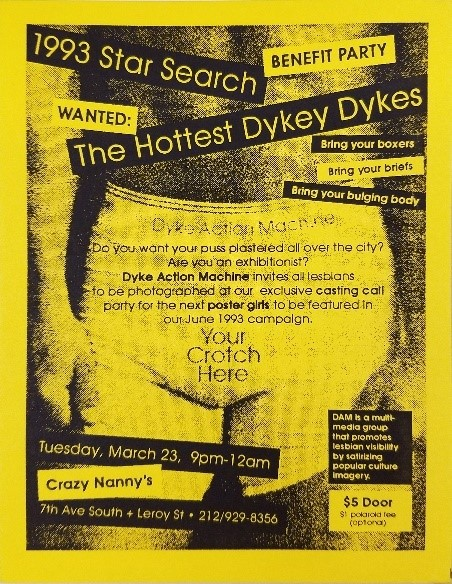
Jack Gieseking: Yeah. And Nanny's is the only, um, Black lesbian bar in Greenwich Village... ever?
Valarie Walker: Ever. Like, I was like, "You can stop talking now." Like!
Jack Gieseking: Yeah, and it opens in 1987, and the more I dug into that, I'm like, "How did this open? What happened?" And it was an economic recession in 1987, um, and New York City property values-
Sarah Schulman: But also, like queer people of color had always come to [00:08:00] the Village, and there were a lot of Black ga- gay male bars.
Yeah. There was Keller's was the most famous, right? Right on the West Side Highway. There was One Potato. There was a whole bunch of places.
Valarie Walker: One Potato.
Sarah Schulman: And you know, the whole pier scene was queer kids of color who did not live in that neighborhood, so that's an old history.
Jack Gieseking - Narrator: The pier scene. That's not a piercing, although we're really good at those.
It's about the Christopher Street Pier. At the end of Christopher Street, which is the street that Stonewall is on, which is the street that there are tons of LGBTQ businesses and bars and hangouts, and it's just a really, really gay street. At the far end of it, you keep walking west, you hit the end of Manhattan, and there is a pier, Pier Number 40.
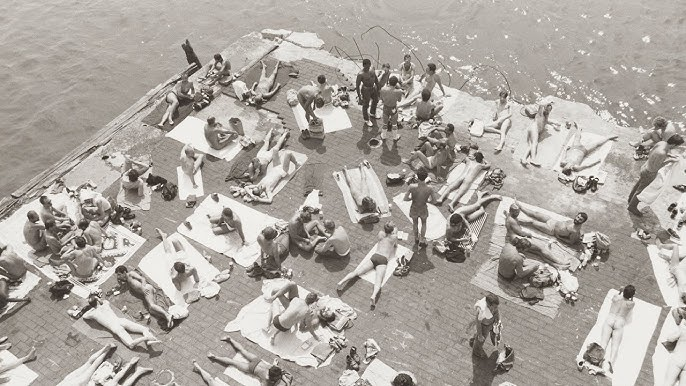
This is an active waterfront, an active pier scene until it was left behind and dilapidated. And so in the 1970s, LGBTQ people started cruising and hanging out. This is a giant, giant wooden pier deep out into the water with a view of New Jersey. And on that pier, you can fuck, you can hang out. There's kind of a building falling apart. Unfortunately, there's rats. You can jump in the water. It's toxic, but go for it, right? It's New York. You gotta live.
If you are Black and poor in New York City and you're coming from the Bronx and you're coming from Queens and you're coming from Brooklyn, you're coming from Harlem, you need a place to meet, and the pier was this kind of left behind space that Black queer trans youth took over.
This is where voguing really took off, and that's why it's in Paris Is Burning. It's also in the background of the "YMCA" video, as in the Village People, as in "Y-M-C-" I don't know if they'll delete me if I sing it, but you queers know what I mean.
Anyway, the pier scene was an incredibly important space, and it used to be a lot more white. I'll show you In a Queer Geographies post about how white it was in the 1970s. But as gay men got other spaces for cruising and came a little bit more indoors with their increasing wealth, and also because so many gay [00:10:00] men were dying, you see an uptick in youth using this space, and that continued until the 2000s.
The Christopher Street Pier is an incredibly important space in all of queer history because you can't always afford to go to bars, right?
That said, we're about to talk about Kate Delafield, the first lesbian detective of fictional history. We live in a time now where prison and police abolition are at the forefront of our political agenda, and thank the goddesses for it. In the 1980s, the idea was that representation would make things better if we could get a lesbian on the police force, if we had people to show who we were.
Dyke Detective Kate Delafield
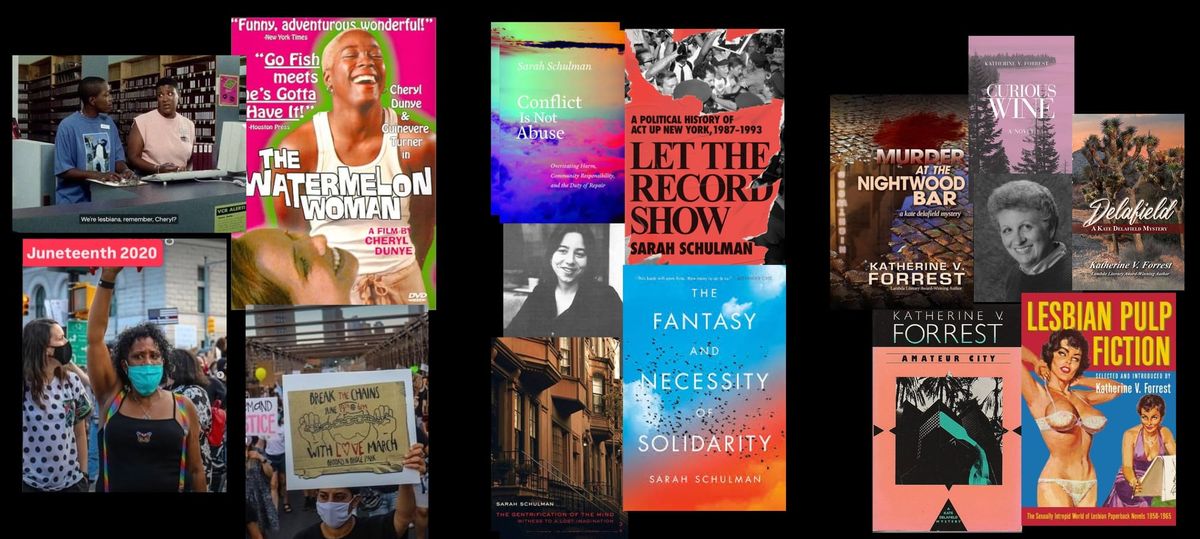
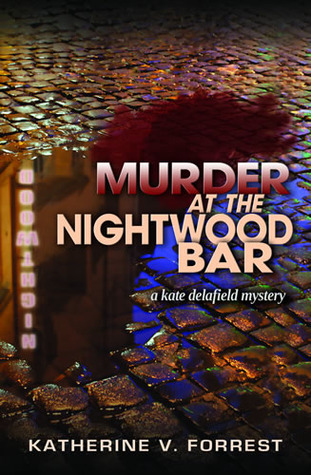
Jack Gieseking: This is a good moment to bring up what the Nightwood Bar was like, Katherine, and to talk about Murder at the Nightwood Bar, 'cause you're writing in the 1980s. How did you, how did you imagine a 1980s lesbian bar?
Katherine V. Forrest: In that book, Kate Delafield lived her life the way most of us lived.
We were, like, in sort of overlapping circles, that she was not a part of any community at all. She was not even aware of any community. It was just that we all knew certain people who knew certain people, and that's how most of us ... you know, I mean, we grew up in isolation, and we sort of lived in isolation, and we did find other people like us.
And Murder at the Nightwood Bar, uh, is the absolutely linchpin book of the series because this is the book where Kate is connected with community. Uh, a lot of it in negative ways because she's a police officer, and, uh, the relationships with law enforcement were downright hostile. It was an incredibly homophobic organization.
My partner at the time, Sheila, and I went to all sorts of lesbian bars because I, I knew what I wanted for the setting, and I was looking for a bar that I might use in a, as an actual [00:12:00] location. And so I went to bars in L.A., San Diego, uh, kind of all up and down San Francisco, and I ended up using a real locale 'cause the bar is on La Brea Avenue in L.A. in an actual location, but it's a fictional bar.
Jack Gieseking: Mm.
Katherine V. Forrest: I kind of came up with sort of a wish fulfillment bar that had a bookcase and gays-
Jack Gieseking: Yes!
Katherine V. Forrest: ... And some other stuff like that.
But the best thing about it was that Kate not only was forced to actually connect with community, but it was a community that reflected to me the absolute glory of our community.
Because ideally, we welcome all races, all colors, all creeds, all genders or no gender. Uh, and there's a representation of that across that spectrum in the lesbian bar, you know? So I began with that. Uh, the other thing that, that happened with the series that was very important to me as a lesbian, as a writer, that I was thinking about coming into this was, uh, women had just won the court cases, uh, against these police organizations.
We were either jail matrons or we were juvenile officers. So we, we had won the court cases, and we were finally starting to move up into the echelons of police work for good or ill.
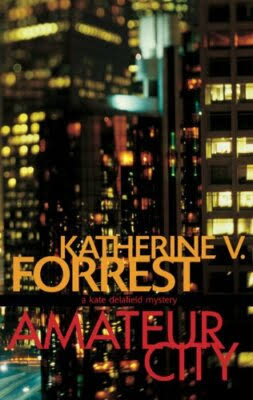
And I think when I wrote Amateur City, I absolutely intended it to be, um, you know, kind of like following in the footsteps of Sarah Paretsky and having a private eye de- kind of an amateur detective. And then I realized I had to have the police on the scene.
Uh, and that's when Kate Delafield walked onto the page. Uh, and I realized what I had in her. And it, it turns out I had no idea at the [00:14:00] time, she is, why the 1980s, she is the first lesbian police officer, uh, in American literature. Uh, I mean, that's just sort of the way it was.
And she also represented, to me, the absolutely best, best case for being in the closet. You know, homophobic organization lethally. And the 10 books, to me, are, uh, an examination of what the clo- the closet costs because they cost Kate Delafield a lot. A lot. And, uh, in the final two books in the series, she kind of meets herself in a crossroads and she comes to really kind of understand just her trajectory, so, That's
Sarah Schulman: okay.
Katherine V. Forrest: Let me just add that, that the women at the lesbian bar, they pervade the series. This is Kate's spiritual home. Uh, it is, and the bartender, Maggie Schaefer, is her closest and dearest friend. She keeps up with all of the women that she meets in Murder at the Nightwood Bar. You know, I mean, it's, it's a hymn to community.
Uh, the, the bars were our community. I, you know, I think today, without a doubt, 'cause we've sort of evolved from bars to bookstores, now it's social media. And I hear from women I haven't seen in years, you know, from all over the country.
From Bar to Bookstores to Tours across Dyke Worlds
Katherine V. Forrest: Uh, and Sarah, you know, you and I on tour, didn't we meet the most fabulous women? The most amazing women. Didn't it make you so proud of our community?
Sarah Schulman: I met everybody. Like, I stayed with women who were filthy rich and had a horse farm in Richmond, Virginia. I stayed with someone in a trailer who worked at a paper mill in Seattle. You know, I met, I stayed at the home of a, a post office worker in Missouri who sent me for, money so I could buy new sneakers.
I eventually paid her back. Yeah, it was incredible. And I traveled by, traveled [00:16:00] by Greyhound bus. Yeah.
Katherine V. Forrest: Yeah. That would make a great TV series. It really would.
Jack Gieseking - Narrator: I really do think someone should option the idea of a young Sarah Schulman traveling the US.
Sex, Sexiness, & Sex Parties During the Early AIDS Crisis
Jack Gieseking - Narrator: We're gonna turn back to sex parties because, I mean, why not? Why was sex so key to the spaces we were forming in the '80s?
Obviously, part of what's happening is sex is changing. People now need to learn how to have sex all over again. We become incredibly fearful of sex. Am I gonna die if I do it?
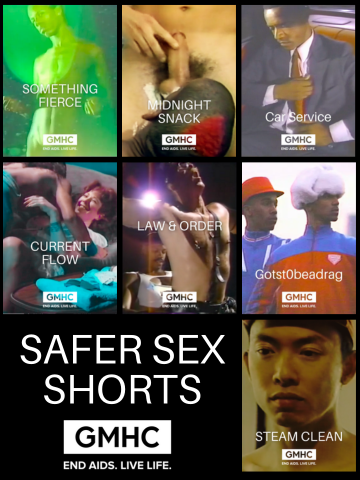
People didn't know if lesbians could transmit HIV/AIDS. From my research, there's been one case ever. But how scared were people of sex? How much was it shaping their lives? Well, the group The Gay Men's Health Crisis was formed, and they started making pamphlets and flyers about how to use condoms, how great they were, how you weren't gonna lose sensitivity, how sex was still gonna be great.
Valarie Walker: About the, the bar and then the politics and sort of what that was like together, I think that's when you got the [00:18:00] sex party.
Jack Gieseking: Hmm.
Valarie Walker: Because that's when you got an organization, had somebody sitting at a table distributing condoms and information about safer sex. So that sort of was also a kind of movement that happened in there.
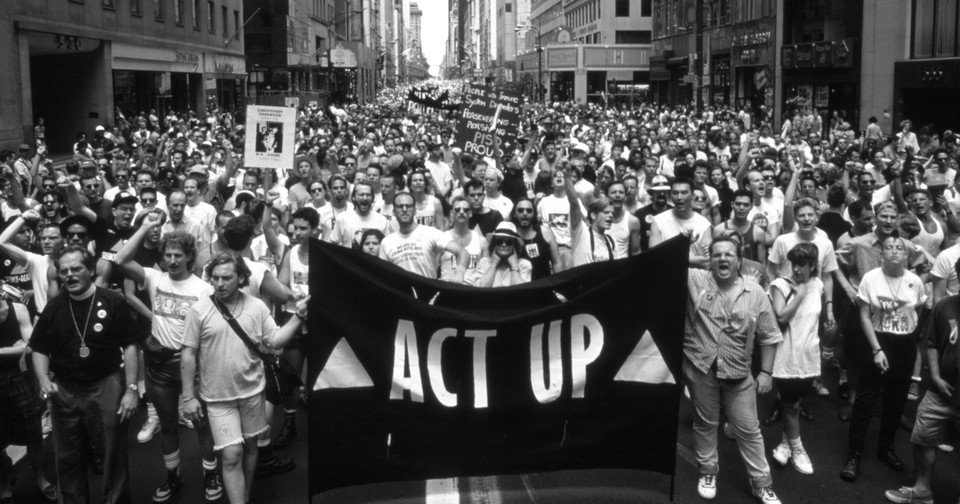
Sarah Schulman: Well, that got very confused because, you know, ACT UP people got very confused about whether or not women could transmit HIV to each other, and I think it's proven that-
Valarie Walker: Right.
Sarah Schulman: ... They can't. But there were people who felt like they could because there was so much emotional proximity to these guys, and also a lot of people, women had sex with the men in ACT UP.
So there was this projected fear that... So women went to these elaborate, quote, "safe sex" st- things that they actually didn't need to do.
But Wonder Bar had a back room for women that was mostly run by ACT UP women, but they were obsessed with the safe sex thing. So it was this mix of creating obstacles and then creating opportunities. It was very conflicted.
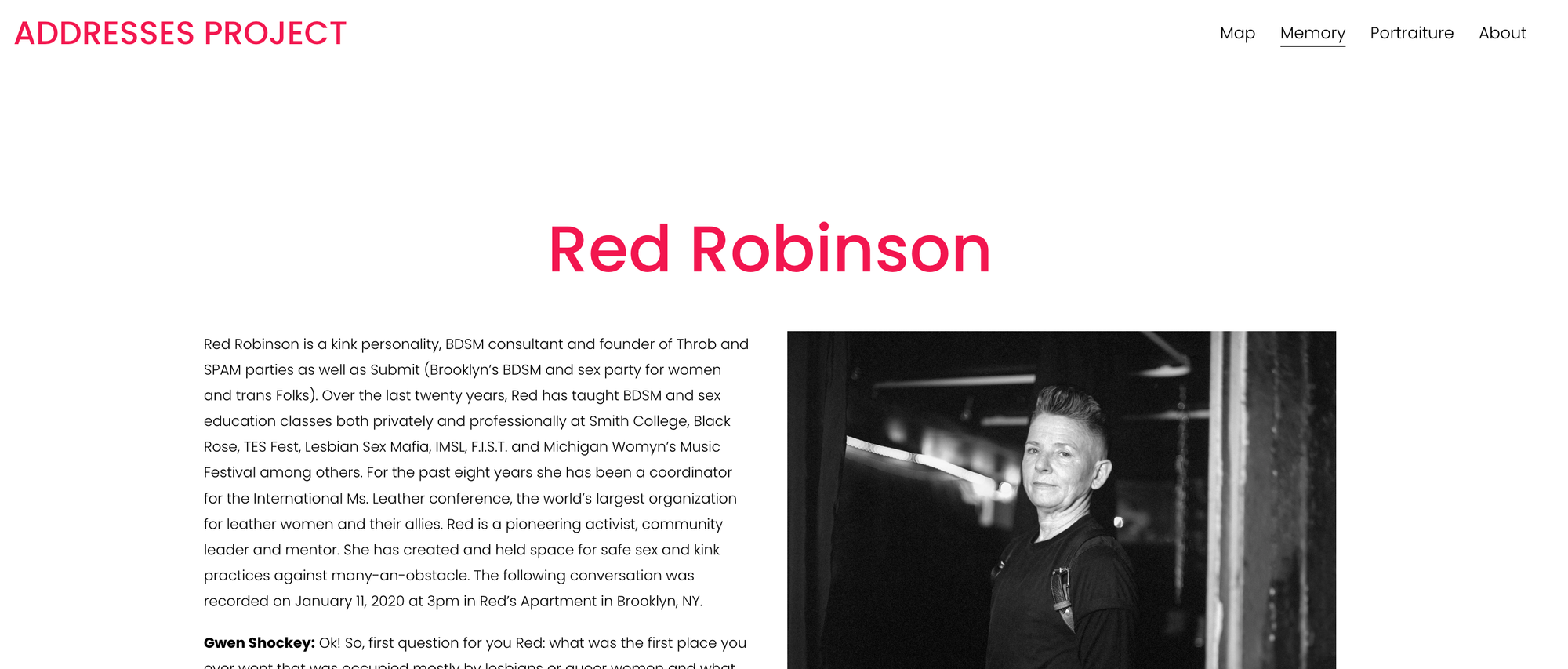
Jack Gieseking: I think Red is creating the Submit sex party, which is still ongoing. I remember the description they wrote about in the Addresses Project, which is an incredible installation, was saying that they--
I think they were at Henrietta's or Cubbyhole, and they asked permission to-- or consent to people, "Can I handcuff you to the bar?"
And people would be like, "Well, gosh, yes, that sounds delightful," and had all these dykes handcuffed to the bar and then said, "I'm gonna talk about safe sex. I'm gonna talk about sex parties. I'm gonna..." And this is the launch- Oh ... of what would become Submit, and I had never heard that. I thought it was incredible.
Gentrification of the Mind and Body, Community and Neighborhood
Jack Gieseking - Narrator: What's coming up next is one of my all-time favorite topics: gentrification. This queer historical geographer is delighted to help you think this through. I wrote an entire book about it, in fact, how lezbiqueer trans people gentrified New York City, and perhaps [00:20:00] unsurprisingly, we were gentrified out of New York City.
Which brings us to Sarah Schulman's delicious book, one of many, The Gentrification of the Mind. In it, she argues that it was the mass deaths of gay men in the Village that drastically raised property values. Because so many gay men lived in the Greenwich Village, the property values would keep going up and up every time someone died.
She's right. Because gay men couldn't get married, they couldn't leave their property to their boyfriend, they couldn't even leave their things to anyone else-- but maybe the family who didn't want them, or their stuff would just wind up on the street. The rents would be increased.
The historian George Chauncey would later argue that the reason why marriage became such a core idea to the mainstream LGBTQ movement, for two reasons.
One, you couldn't inherit in the face of the AIDS crisis.
And two, since 1978, when it comes to lesbians: IVF, in vitro fertilization, lesbians started having babies on their own. But could you adopt them? Could you adopt your own baby that you had with your partner? What if you get a divorce? Do you have any rights?
Babies and taxes. Babies and taxes got our movement to marriage.
When same-sex marriage was endorsed across all 50 states in 2015, people who partook in same-sex marriage were granted over 1,000 rights that they had formerly been denied.
That's really an effort to make some kind of security, right? To make some sort of understanding.
I would add to Chauncey's vision that gentrification had a lot to do with it.
As property became more and more valuable, people wanted to be able to retain a sense of place, a way of connection, a place to be in the world.
And gentrification is not at all something that's just in the U.S. We can think about London. Who can afford to buy in London? Even [00:22:00] renting is absolutely insane. She Soho has been around for a long time in London, but the amount of work that I witness London dykes go through to make La Caminera or Damsel Collective come to life is extraordinary. Finding space, not to mention when you create a bar, it has to be so far from a school. You're constantly getting shut down for noise complaints.
Bringing gentrification back to the Village, Greenwich Village has always been an incredibly white and expensive neighborhood.
It's that moment that Sarah Schulman talks about in The Gentrification of the Mind when so many gay men died of AIDS that we started to live there less and less, but we became what Theo Green calls vicarious citizens. We're those queer trans people filling the streets of the Village that make it look so fabulous and gay, people coming from all over the world, all over the city, all over the US. But do we get to stay?
Jack Gieseking: But you talked about butch-femme at these, at these bars, like butch-femme identities ruling these bars.
But there's also this proliferation in the 1970s of lesbian feminist spaces that creates these amazing networks.
Like, you have the women's health center, like St. Mark's Health Center. What I... I remember finding that in the lesbian history archives, and my mind was blown. And then somebody told me, "They make you a cup of chamomile while your gy- your gynecological exam, and then play a guitar song, a little acoustic guitar, like highest lez." And you had access to your file!
And the bookstores, the gyms, there are women's gyms. Um, how, how does that work? What is that like in the 1980s?
Sarah Schulman: So there were-- the rents were cheap. So, like, Ana Maria Simo had a place called Medusa's Revenge on 10 Bleecker Street, and it was a woman, lesbian of color space.
But, but the rents were nothing. I mean, they were, like, free practically. So you could have all these spaces. The W.O.W. Café was first on 11th Street. You know, when rents start going up, all of that changes.
Jack Gieseking: Right.
Sarah Schulman: [00:24:00] By the time you're in the '90s, space is expensive.
Valarie Walker: I, I worked as the lesbian health program coordinator for, um, Callen-Lorde, and we had a women-- At the time, it was called a woman-only clinic.
So they w- It was an evening clinic where anybody could go, and they felt that there needed to be more, so one Saturday a month, we would operate a woman-only clinic, and if you could come in and, um, schedule your Pap smear, but if you really just weren't ready to have your Pap smear, w-we wouldn't charge you, and you could come back and just have the Pap smear, and we would work it out.
But I held the hand.
It was shocking how many, 'cause I was like, "If you would like, I'm here to hold your hand while they do the exam, whatever you like. I'm, I'm up here with you, so I see nothing. Da, da, da, da, da, da, da. I can talk to you. Like, ba, ba, ba."
And it was shocking how many, how many people chose for me to hold their hand.
The Surge of Lezbiqueertrans Literature & Film
Valarie Walker: And then- hmm ... after doing The Watermelon Woman movie, like, people would come up to me and be like, "Your face is so familiar." And I'd be like, "Please be from the movie. Please be from the movie. Please be from the movie." Like, because if not, then I was holding your hand.
Jack Gieseking: Yes. Yes. If you didn't know already, already, but Valerie was in The Watermelon Woman, which is this incredible movie.
Valarie Walker: So was Sarah Schulman.
Sarah Schulman: Yes, I was in it too. That was my introduction to working with Cheryl, where I showed up and there were no scripts!
Jack Gieseking: No ...
Sarah Schulman: Just the ch- working with Cheryl experience. So w- I just made all that up, and then I went on to do two movies with her-
Valarie Walker: Right .
Sarah Schulman: .. Also similar circumstances. But yeah.
Exactly. When you know, you know.
Katherine V. Forrest: This would be a good time too to, you know, the, the, all-- look at the literature that the bars, th- th- th- you know, that the bars inspired.
You know, I can't help but think of Lee Lynch's work, you know, Dyke Tales and At a Bar. Right And Nisa Donley's The Bar Stories.
Sarah Schulman: And The Swashbuckler.
Jane- Jane Delin [00:26:00] also, uh, Don Juan in the Village.
Katherine V. Forrest: Yeah, yeah. And Broadway-
Sarah Schulman: Right ...
Katherine V. Forrest: Broadway, the Beebo Brinker front- Oh, right ... was on Broadway at a, at a lesbian bar. So yeah.
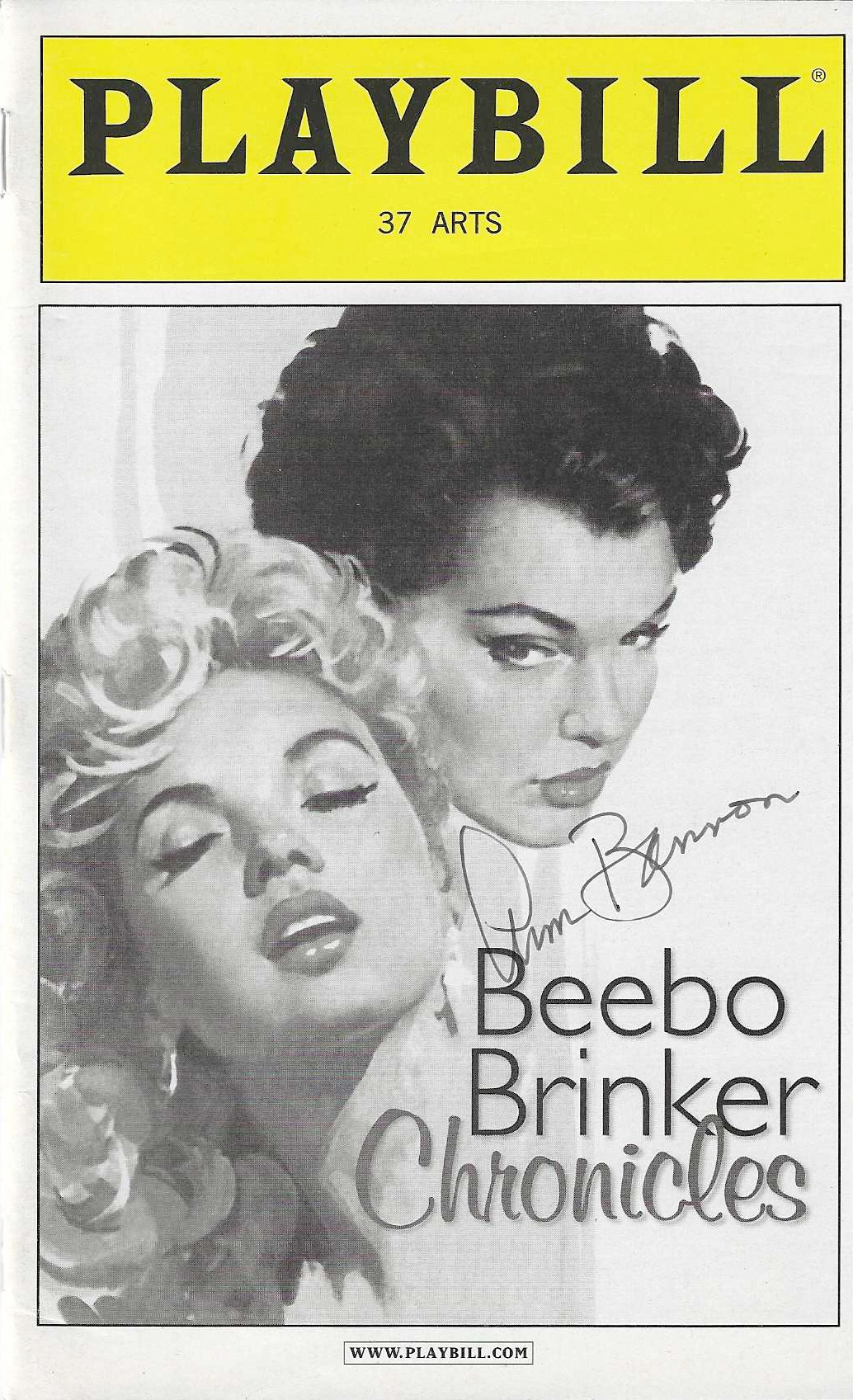
Valarie Walker: Beebo! Right. Yeah, yeah!
Jack Gieseking: Yeah, the arts were really expanding. And you also have, like, Olivia Records. You know, there's, there's like, there's infrastructure. You guys are building so much arts infrastructure.
Katherine V. Forrest: Absolutely.
Jack Gieseking: And this is before the nonprofit industrial complex is gonna come in and operationally vet money and then limit it and mete it out over time till there's, till there's nothing left.
Katherine V. Forrest: They were huge in the growth of our culture.
Sarah Schulman: Yeah.
Valarie Walker: Yeah.
Katherine V. Forrest: Absolutely. Glad, glad you mentioned.
Sarah Schulman: And there were places like The Brick Hut, which Mary Watkins made an album about, and the El Rio, and-
Jack Gieseking: Mm-hmm ...
Sarah Schulman: Esta Noche, and Escuelita in New York, yeah.
Jack Gieseking: Yeah. And Pat Parker has a poem about a lesbian bar. In the 1980s, there's the photos from J.E.B. in the '70s, and then-
Sarah Schulman: And, and Del- Della Grace Volcano did a, a lot of leather bar photographs.
Jack Gieseking: Right. Right. They're very sexy.
Jack Gieseking - Narrator: That's a huge huge list of literature, art, and film, and I will absolutely put it on queergeographies.com. But I wanna highlight a few of these.
First of all, Del LaGrace Volcano's photos are extraordinary, these leather dyke bar spaces, the sex party chain reaction, all of these amazing activists who worked against Article 28 in London. Just incredibly gorgeous and raw and exciting. And they've really shaped a lot of the ways that we see the '80s and this punk leather fashion, this fuck you. Because what else did we have to lose?
Now, The Watermelon Woman, created and directed by Cheryl Dunye, is getting its due. It's been on tour again. I deeply encourage you seeing these wee young versions of our guests acting in that. It's a brilliant film. It's one of the first major Black lesbian films, and it's absolutely genius.
But the one thing you [00:28:00] need to read in this entire episode is This Bridge Called My Back. This Bridge Called My Back is one of the most important books ever collected and written.
Jack Gieseking: When we were talking, uh, talking about literature, one of my all-time favorite books to teach every semester I could teach, I just found a way to teach it, was This Bridge Called My Back.
Katherine V. Forrest: Oh, absolutely.
Jack Gieseking: Um, right? And I think that's a seismic shift with Cherrie Moraga, Barbara Smith, Audre Lorde, Cristos, Pat Parker, Gloria Anzaldua, Combahee River Collective are just some of the people in the book.
Sarah Schulman: Well, that was just Kitchen Table Press was founded at that point.
Katherine V. Forrest: Yeah, Kitchen Table Press was amazing. Barbara Smith, yeah.
Sarah Schulman: It's interesting because intersectional- what's now called intersectionality actually was woman of color feminism as expressed- Mm-hmm ... in This Bridge Called My Back. Yes.
Katherine V. Forrest: Right. Mm.
Jack Gieseking: Kitchen Table Press was founded in Boston, and it is the first woman of color press. The idea of women of color is actually a phrase that comes out of this book, right? It's, it's-
Valarie Walker: Yeah, third world women.
Jack Gieseking: Third world women is really the phrase that gets-
Katherine V. Forrest: Yeah ...
Jack Gieseking: --Before this, right? And so you have women of color creating, creating a concept of themselves, and also from start to finish, from the editing, to the writing, to the publishing, they made a publishing house, and the first time ever women of color-
Valarie Walker: Mm.
Jack Gieseking: Published themselves, and that's that book. Which is now at what, fifth printing? You'd be s- it's infinite, and it's just still passed around on Tumblr, on e- on every resource ever.
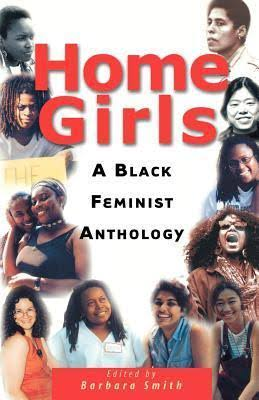
Sarah Schulman: Well, they also published Homegirls.
Katherine V. Forrest: Homegirls was- Yeah ... the GCLS Book of the Year last year. Mm-hmm. The, the, uh, classics award.
What a book that was. Yeah. Yep.
Sarah Schulman: They published, um, Some of Us Are Brave.
Katherine V. Forrest: What a book. Yeah, we honored Barbara Smith.
Sarah Schulman: Oh, that's so great.
Valarie Walker: Snaps for that.
Sarah Schulman: The very first reading I ever did from my book was with Katherine at Womenbooks- Oh ... 1984.
Katherine V. Forrest: Yes. The Sophie Horowitz Story.
Sarah Schulman: That's right.
Katherine V. Forrest: Yeah. One of my very first! I like to think that I got your career underway, Sarah. [00:30:00]
Sarah Schulman: You did!
Katherine V. Forrest: Well.
Sarah Schulman: That is exactly the truth. You did.
Katherine V. Forrest: There couldn't have been a more- Thank you ... important career to get started. It's- ... you're a lasting pride of, of myself and the whole community for what you've achieved, so.
Sarah Schulman: Thank you, Katherine.
Jack Gieseking - Narrator: Katherine talked about what Sarah achieved, and it's worth saying because Sarah Schulman spent her entire career talking about how limited lesbians were in their ability to write, to get published, to produce plays. And it's incredible that she's being honored with a Guggenheim, a Lambda Literary Award, a Stonewall Gay and Lesbian Award.
That she has 20 books-- 11 fiction, nine nonfiction-- which include Gentrification of the Mind, Conflict Is Not Abuse. Let the Record Show was listed as one of the top 10 books of 2021 by both NPR and NBC. Her fiction is utterly delicious. I read it on the beach.
Personally, one of my favorite things about Sarah Schulman, and it's the same with Valerie Walker, is they don't shut up. They keep pushing and putting out their ideas, and they will not be quieted.
I also wanna point you to a book of Sarah's that's coming back around on the guitar, which is Ties That Bind: Familial Homophobia and Its Consequences. It's an incredible read, and it will really help you understand your friends who were raised in conservative religious families, or it will help you understand yourself. Familial homophobia is real. With the resurgence of the Far Right, the rise of fascism and authoritarianism, it is all the more an important read today.
Beyond Compulsory Heterosexuality
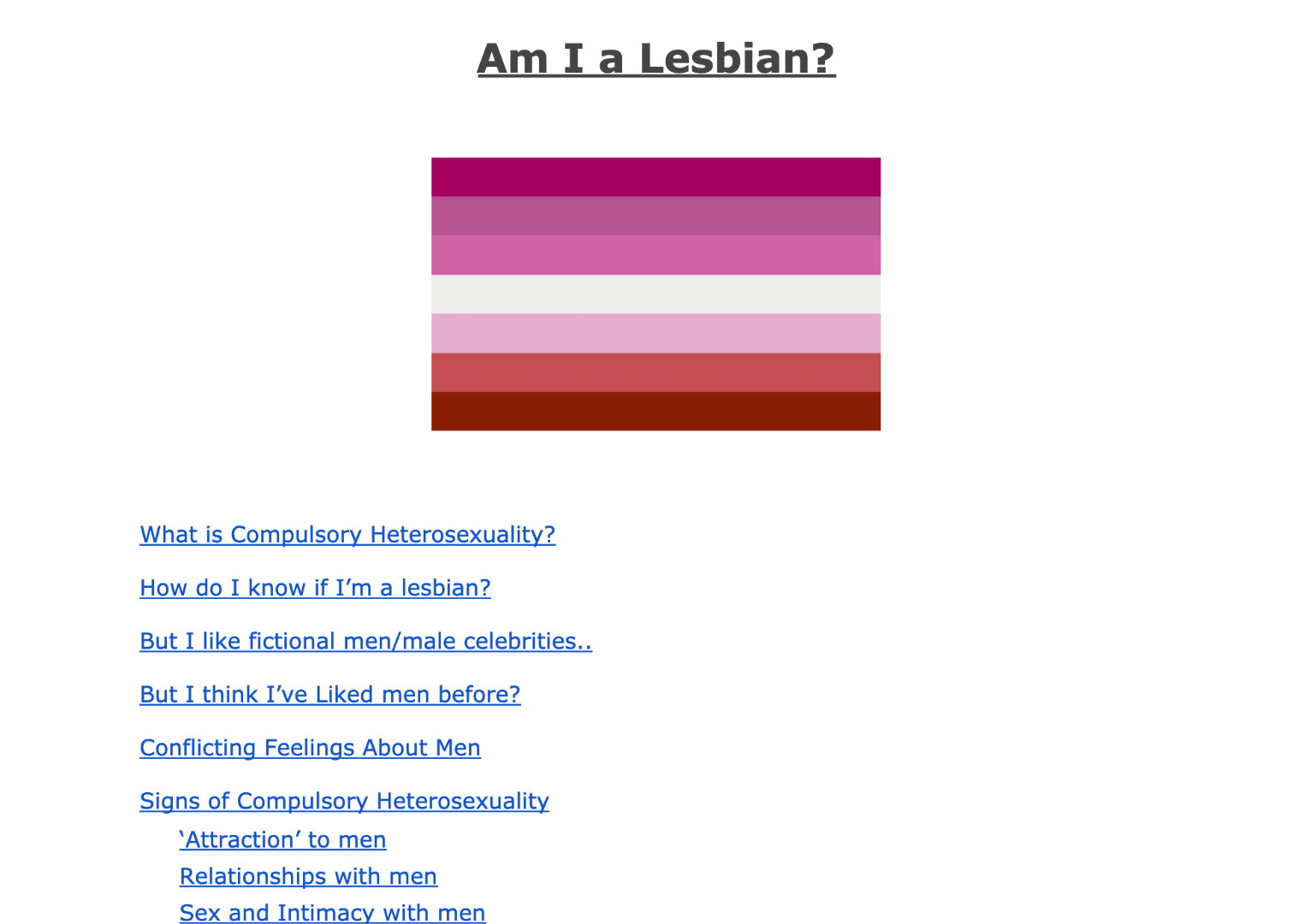
Jack Gieseking: One thing that I, I would love to see what you think about this. Have you guys ever heard of the Lesbian Masterdoc? Meaning master document. So when young people today search, "Am I a lesbian?" This is one of the first things that comes up on the internet.
It's a Google Doc, but one of the first things it introduces at the top of the document, are you ready? Is compulsory heterosexuality Adrienne Rich 1980. [Laughs and clapping.]Yes! And so compulsory heterosexuality is something you can totally look up on TikTok. Is this not amazing?
Sarah Schulman: Well, there was this whole big fight, you know, between, there were the essentialists and the social constructionists, right? Nobody remembers this, but they tore each other to pieces.
Jack Gieseking: Tell us, tell us, tell us, tell us about it.
Sarah Schulman: Well, there was people like the late Amber Hollibaugh, and they believed that Adrienne Rich and Lillian Faderman's theories, um, of lesbian continuum were desexualizing.
Jack Gieseking: Yes!
Sarah Schulman: I mean, there was so much infighting it was unreal. I somehow I managed to stay out of it at that point. At that point. But there was the sex wars, the porn wars, the social construction versus, um, essentialism. There was all this crap and people tore each other to shreds. You know, Caroll Smith-Rosenberg, who wrote that classic article, which is called what?
What's the name of it? It's like the, one of the most famous pieces.
Jack Gieseking: "The Female World of Love and Ritual?"
Sarah Schulman:
"The Female World of Love and Ritual," right. That's what started lesbian studies. And so I met her, she's in her 80s, and I was like, "How come you didn't do any more women's studies?" And she said, "I was so destroyed by the essentialism versus social constructionism battle that I stopped doing women's history."
Nobody even now even knows what that was.
Sarah Schulman: Yeah, but the joke is, okay, the fight at the time-
Jack Gieseking: Yes.
Sarah Schulman: ... Was between pornography- Yes. ... versus censorship.
Jack Gieseking: Yes!
Sarah Schulman: And now we have both!
Katherine V. Forrest: "Progress!"
Sarah Schulman: Pornography and censorship, so it's a false binary
Jack Gieseking - Narrator: In an era of cancel culture, one must still try to explain the entire history of '80s [00:34:00] feminism in a succinct few minutes. I just know that however I explain this, someone's gonna tell me I did it wrong, but I'm gonna do my best. Here we go.
So in 1982, there was this amazing conference called the Barnard Conference on Sexuality, and this is the beginning of, we can call it the feminist sex wars or the porn/ sex wars or the sex wars or the porn wars, and it's held at Barnard College, which is a women's college in New York City, one of the Seven Sisters.
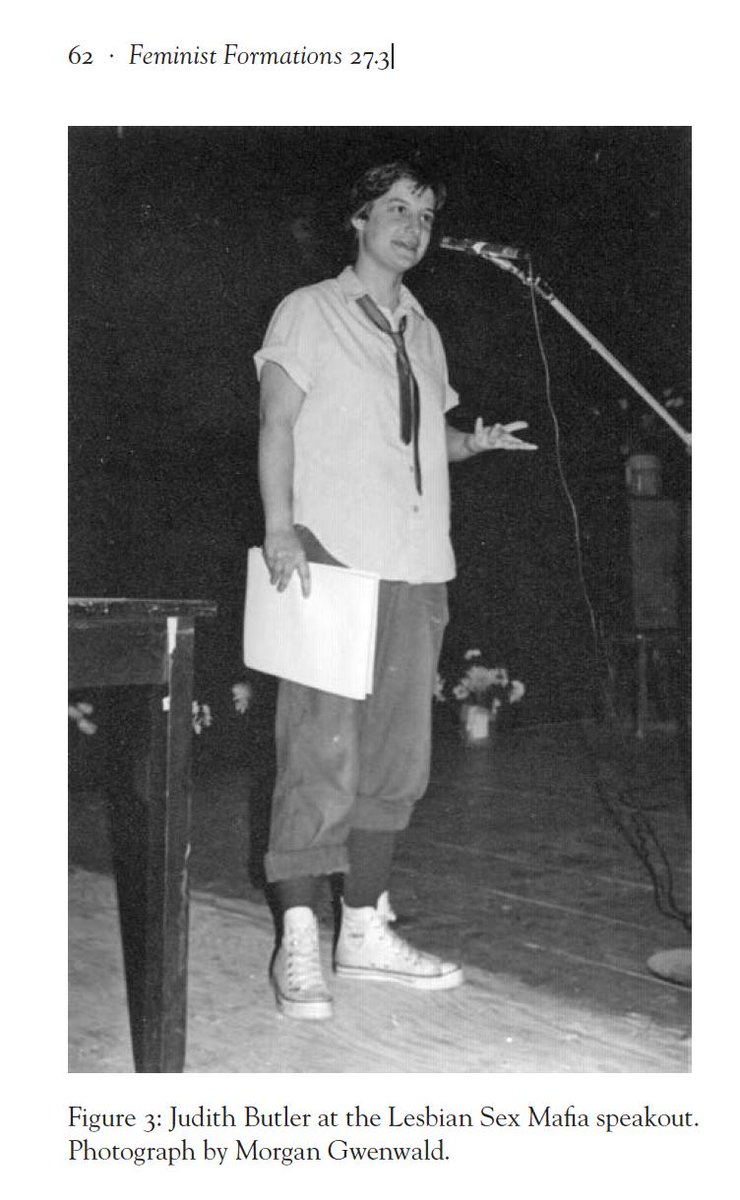
It was not about sex, like, you know, fucking sex. I mean, it was. But it was more about, with baby Judith Butler there with socks pulled up to their knees. So cute. The wee Yale grad student they were then.
At this conference, Gayle Rubin, I'll do a whole post on how awesome Gayle Rubin's thinking is that has made your life better. But she stands up. She's a, a wonderful butch-ish, pro-sex, pro-leather, created the, the Leather Archives anthropologist, and is talking about what gender is as distinct from sex and sexuality. Her work talks about how good sex gets idealized and supposedly bad sex, like leather, BDSM, polyamory, blowjobs, is considered something that makes a person bad.
Brilliant. Just brilliant. Anyway, the aim of the conference was, quote, "To move beyond debates about violence and pornography and to focus on sexuality apart from reproduction." End quote.
Wait, what was going on? At that time, there were these people called WAP. Not the WAP of today, but the WAP of yesterday was Women Against Pornography, including Andrea Dworkin, and they were saying that any pornography you made was anti-woman.
There were a ton of pro-sex advocates like Amber Hollibaugh, Dorothy Allison who were, "Um, hello, we can make our own decisions, and you can't tell me that all porn is bad." The Lesbian Sex Mafia organized a radical, [00:36:00] quote, Speak Out on Politically Incorrect Sex Rally. And so the conference was picketed by the anti-porn feminists, and this was a huge saga and debacle.
I also don't wanna miss the part where they were focusing on sexuality apart from reproduction. This at the time was mind-blowing, which should also make your heart ache and your breath catch.
Now, what's essentialism versus social constructivism? Okay, so essentialist feminists believe that there are traits in gender that we have at birth because of our physical differences, and the social constructionists are like, "Nah, sister, that shit's all constructed." Okay, sure, and this is a kind of chicken and egg scenario that people had a massive debate about and really didn't get anywhere.
We have lots of those debates. It's fine if we have them if we just remember that we had them and we remember we did or didn't get anywhere with them, because otherwise we're not building on knowledge that we've worked through before and we're just repeating things and agonizing ourselves.
In a Queer Geographies post, I'll be sure to include links to the "The Female World of Love and Ritual," material about the incredible pro-sex publication On Our Backs. Also, the feminist scholar Rachel Corbin's brilliant work on the Barnard Sex Conference, and of course include a link to the Lesbian Masterdoc.
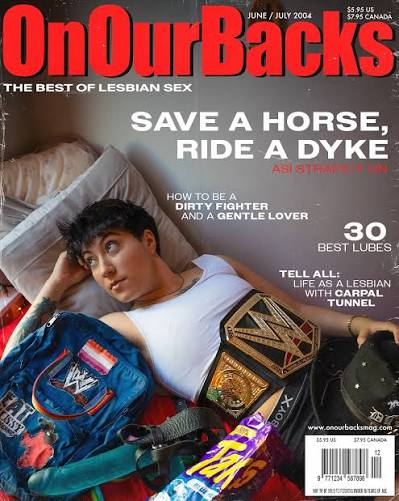
Jack Gieseking: But also in the '80s, even though we're having the porn sex wars, is also the first butch-femme nationally distributed porn comes out too.
And so that's wild to think that, that you keep bringing up sex parties. And I think sex is something very different until HIV/AIDS too, which radically changes.
Katherine V. Forrest: Yeah.
Sarah Schulman: Well, Honey Lee Cottrell was a butch photographer, and Susie Bright and her, they were a couple at first. So when, when Susie started, and Susie of course was femme, so when they started On Our Backs, it w- it had a butch-femme-
Valarie Walker: Yeah.
Sarah Schulman: But it wasn't like a- Yeah ... [00:38:00] '50s butch-femme. It was like a modern butch f- it was a more contemporary butch-femme.
Valarie Walker: And also, in addition, power play becomes more of a rich community separating off the leather and the bondage. That becomes more, yeah, becomes more of a thing, like, that you can say-
Jack Gieseking: Right ...
Valarie Walker: you can name- mm and here are images. And we're gonna provide a space where you can do.
Katherine V. Forrest: Yeah.
Dorothy Allison Yelling at Me to Get More into Leather
Sarah Schulman: Oh, the lesbian sex mafia.
Jack Gieseking: Yes! I was 22 in New York City, so it was 2001 or 2002, and D- I saw Dorothy Allison read at the 92nd Street Y. And she's, she's reading, and she just pauses everything.
She just stops, and she looks up, and she says, "How dare none of you participate in BDSM? What have you done with lesbian bars today and with lesbian spaces? You need to get out there. Where's your leather?" And it was just this lecture, and I was ... It was such a sudden turn, and I was like, "Whoa, what just happened?"
My friend who went with me wrote a lot of pornography, and I remember looking over, and they just had, they were glowing. I've never seen someone look like that during a 92nd Street public reading.
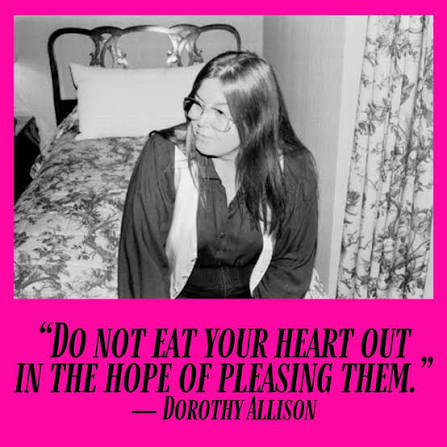
Jack Gieseking - Narrator: The 92nd Street Y is where authors go to read their books in New York City. So having Dorothy Allison get up there and say to queer youth today, "Where the hell is your leather?" is a powerful statement. As I mentioned earlier, Dorothy Allison co-founded the Lesbian Sex Mafia. The first butch-femme lesbian porn was produced in San Francisco in the 80s.
If you want an incredible story of an amazing person that has shaped the sex landscape for lez-bi-queer-trans people, you've got to read the story of Red Robinson on the Addresses Project. Addressesproject.com is this amazing artwork where they've interviewed a number of New York City elders about their experiences and taken photos of them, the bars they hung out at, the places they created.
We need to make a hard right turn as well, by which I mean we need to think about and respond to the Far Right. This is an era of Ronald Reagan, Margaret Thatcher, and the Religious Right seething in their power. We found out in the 2020s was just the test run for the kind of vile fascism that's taking place today.
But one of those ways we can rebel is how we embrace sex, how we embrace sexuality, how we embrace gender, how we make it our own, and that is the lezbiqueertrans Project, eh? That is the real queer trans project, to be ourselves, as true to ourselves as we can ever figure out who we are.
I decided to ask one last important question of these esteemed women.
I hope you enjoy.
Why We Still Need Dyke Bars* (Swoon)
Jack Gieseking: W- why do we still need dyke bars, if you do think so?
Valarie Walker:
I think dyke bars had all the things. You know? They had, um, the drama. Will I? Will she? Will they?
Like, it had all the romance. She's gonna. I can. Yippee. It also had, like, conversations to change your life, to change your mind, um, to change your behavior. You know?
There was a sense of competition. Who was the butchest? What femme is really flanging? It, it had everything that society had. It also had community. It had people sitting side by side who only got together when they got to the lesbian bar, and they drank all night, and they talked [00:42:00] shit that was not real, and they both knew it and went back to their stuff.
Like, it had everything. Why is it gone? We need everything. We deserve everything.
Jack Gieseking: Yeah. Yeah. I mean, it, the world's on fire, so be great. So that's fantastic.
Katherine V. Forrest: You know, I've said it before, I'll say it again, I'm just really proud of our generation and what we did. I mean, just, just, just the freedom, this joy that you expressed, Valerie, it's, uh-- you know, we made a lot of things possible for the, these dykes today that I read about all the time and what their lives are like. You know, reading the new books of what we helped make possible.
I'm proud to be a part of the, the major bar generation, proud to be a part of the bookstore generation. We've lived through a hell of a lot, haven't we? What a, what a ride. What a rocket ride--
Jack Gieseking: yeah.
Katherine V. Forrest: --It's been!
Jack Gieseking: Katherine, I would watch you on TikTok. We gotta get you up- ... get you on TikTok.
Valarie Walker: One, one last thing about the importance is because representation matters.
I missed my flight. Because of racism, they, TSA, like, but the b- the blessing was they rerouted me to Atlanta. And the Atlanta airport is, like, the brownest like me place in-
Katherine V. Forrest: Oh, wow.
Valarie Walker: ... The freaking world.
And so I'm literally, like s- like literally just, "Oh my, look at us. Oh my," like, like a l- lemming. So I'm so far out in my own head that the Black bartender across the way said, "Here, come here, baby. Come out of traffic," and like sat me down, and was like, "Girl, you look like you need a moment."
It was... so representation matters. We need to see ourselves. We need to be able to gather, and not like a, a flick of, like, walking down the street. That's it. But, like, a sense where we can really connect. So that's another reason why we need it. All right, I'm done.
Jack Gieseking: As always with a mic drop, Walker. I love that. Yeah.
Conclusion & Credits
Jack Gieseking: Thank you. Thank you.
Sarah Schulman: Bye, guys.
Great to see you. So great to see you.
Katherine V. Forrest: Thank you. I enjoyed it a lot.
Valarie Walker: So much. Thank you, as always. I appreciate you!
Jack Gieseking - Narrator: Wow, wow, wow. What an episode. I am still so grateful to Sarah Schulman, Katherine Forrest, and Valerie Walker.
I am so excited to say that Valerie Walker and I, because we're dying to catch up after this episode, that you get another episode of just Valerie and I. That'll be the third episode of the 1980s.
Check out queergeographies.com for all the books and more, and so many resources and images and transcript with photos because my gosh, it's delicious. My gosh, the 80s, so hard, so beautiful, and so much to learn from them. Lez keep rocking y'all.
Thanks for tuning in to Our Dyke Histories in collaboration with Sinister Wisdom. Do share Our Dyke Histories with your friends, colleagues, fellow students, exes, crushes, or heck, use it as a pickup line when you don't know what to say in a bar. Good luck to you, brother, sister, and them sir.
You can easily connect with us on Instagram or Facebook @ourdykehistories, and come and follow me, Jack Gieseking, via my newsletter, Queer Geographies at queergeographies.com, which is packed with all the images that accompany the transcripts from all of our episodes, and many more tales of dyke bars, queer parties, trans hangouts, as well as a myriad of other queer spaces and queries like do dykes cruise? I have data.
Never stop loving on all things Sinister Wisdom. At sinisterwisdom.org, you can subscribe, buy their books, or make a donation.
Now on to our credits. We are a small but mighty team.
Our Dyke Histories is recorded, edited, and produced by Jack Gieseking, and co-edited and co-produced by Cade Waldo.
Our social media is designed and managed by Audrey Wilkinson.
Our theme song, Like Honey, was graciously gifted to us from [00:46:00] Kit Orion at kitorion.com.
Interns for the show include Becca Moses and Sophie McLean, with additional input from Rachel Fagen.
We're forever grateful to our co-producer Julie Enzer and the entire team at Sinister Wisdom, publishing since 1976. Sinister Wisdom recognizes the power of language to reflect diverse, multicultural lesbian experiences, and to enhance our ability to develop critical judgment. As lesbians evaluating our community and our world, we share our dyke histories so we know more about who we are, how we were, and what we fight to never forget.
Lez keep doing it, y'all.