Reading Guide: Leslie Feinberg in Buffalo, 1960s
Do you know why everydyke giving every other dyke Stone Butch Blues to read is a trope? Because it’s flipping amazing and, yes, we are telling you to go read this book.

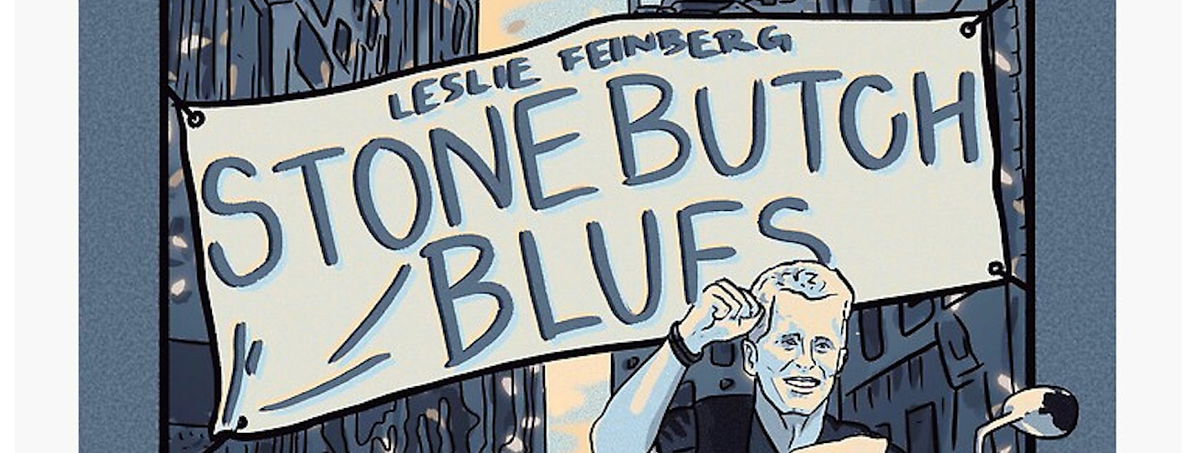
In this last post of 1940s-1960s Reading Guide Fridays, we'll share one more must-devour book about the 1940s-1960s, both from that era and written in retrospect. Our sixth and last selection is the book you wished you read in college, or it's that book you read in college.
Being pointed to Leslie Feinberg’s Stone Butch Blues as a young and/or recently out lez, bi, queer, trans, enby, or sapphic person is as much a dyke trope as running into an ex-flame at the bar or fighting the urge to U-Haul after the first date (or second or third…). Even I (Jack), as a young dyke in college in 1995, read SBB curled up in a blizzard, and then hid it in a false bottom to my books to bring home every summer until my mom got over how very gay I am.
And you know why it’s a trope? Because it’s fucking amazing and, yes, we are telling you to go read this book.
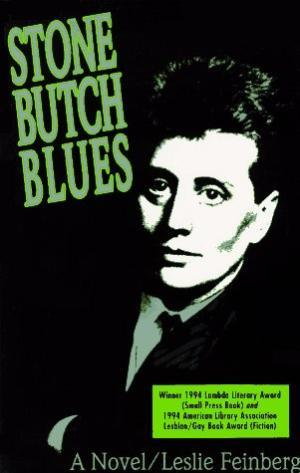
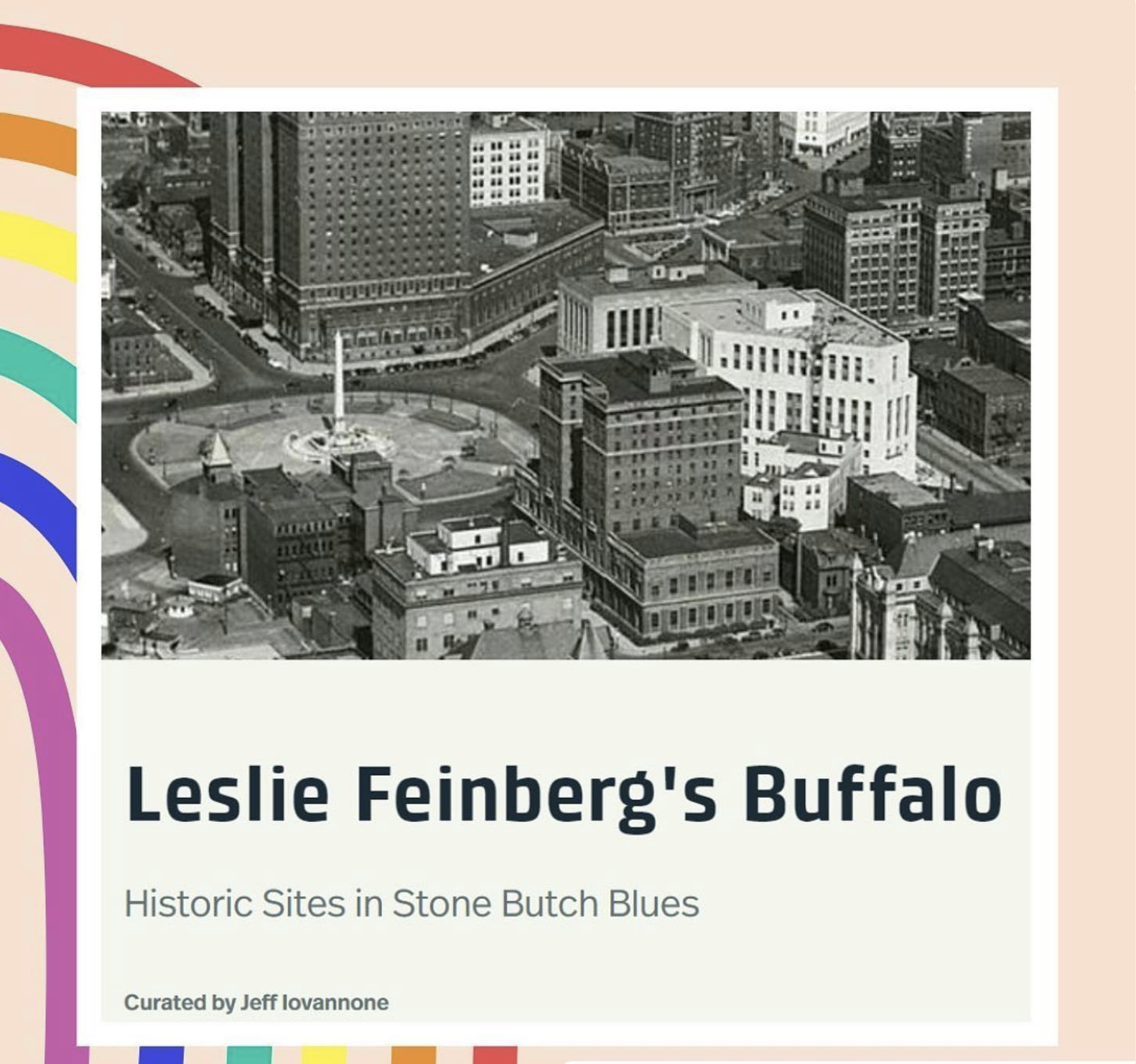
Feinberg’s perfectly devastating and epically beautiful novel follows Jess Goldberg, a working-class, stone butch lesbian-cum-trans man, through childhood into adulthood in New York. Throughout the book, the dyke bar serves as an important backdrop in Jess’s life. In Buffalo and Niagara Falls, it’s a place where young Jess navigates growing up. Ze find queer community, dig into gender exploration, experience so much heartbreak (oh, Tess, did you ever write back? I mean, should you have? sigh), and embrace romance while facing violence at the hands of the state and police.
In adulthood, New York City dyke bars become a place where Jess can reconnect with old friends and–wait for it, my trans friends and countryqueers–apologize to a butch friend for not respecting her butch4butch relationship in the past. Feinberg/Jess are classy shes/hes/zes, I tell you. Though fictional, Feinberg’s intimate book explores classism, racism, anti-semtisim, sexual violence, homophobia, and transphobia that were a reality for butches, trans mascs, and gender non-conforming dykes in the late 20th century–and still today. Feinberg was a union factory employee just like Jess, and became a lifelong labor organizer so that there is much to learn and be inspired from around queer/labor organizing in this text too.
We want to not that Stone Butch Blues is occasionally a difficult read due to the graphic nature of the many different forms of violence Jess endures. Make sure you have some tissues handy and friend able to text. Our content warning includes physical and sexual assault at the hands of the police.
Ultimately though, this book is a classic we keep handing down–like Audre Lorde’s Zami and editor Cherríe Moraga and Gloria E. Anzaldúa’s This Bridge Called My Back: Writings by Radical Women of Color–because it carries both historical and present eternal lives. Whenever you’re ready to read it, please remember to tell the next dyke you meet to read it too.
We have some pretty epic Our Dykes Histories episodes on the 1940s-1960s for you to peruse for more sagas of the mid-20th century lesbian. <3
- Queer Pulp, Dark Bars & the Police State, 1940s-1960s with Joan Nestle, Hugh Ryan, and Alix Genter
- The Gender of Desire: Joan Nestle’s Last Interview, 1940s-1960s NYC
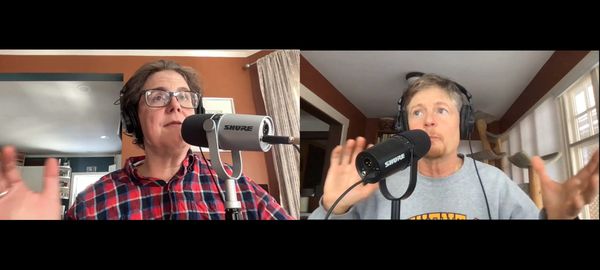
To complement the launch of the Our Dyke Histories podcast, co-produced in collaboration with Sinister Wisdom, I put together a reading guide with my interns Michaela Hayes and Mel Whitesell, with expanded edits to this version by me. A shorter version of this post was originally published with the Sinister Wisdom Blog, 22 Jun 2026. This post was expanded by the lead author.