"Did The L Word Kill the Lesbian Bar?, 1990s-2000s"
Find out if the cast of The L Word killed the lesbian bar when they didn't even kill Jenny. (Sorry for the spoiler but, shhhh, they didn't.)

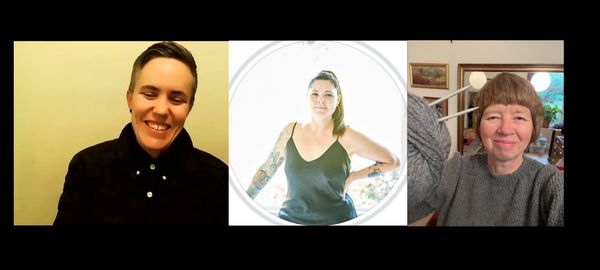
Did The L Word kill the lesbian bar? In the second part of our conversations on ’90s and ’00s dyke bars*, Jack Gieseking is joined by Mairead Sullivan, Katherine Griffiths, and Trish Bendix to discuss this and many other complicated questions. Lesbian bars began declining in the 1990s, but the episode looks beyond the easy story of changing sexuality or television culture. Racism, gentrification, rising rents, restaurant groups, globalization, changing drinking habits, smoking bans, and the growing fragility of nightlife all transformed lgbtq+ space, especially lezbiqueertrans spaces.
Race and gender are central to this story. Trish discusses Chicago’s Black lesbian spaces and the emergence of Nobody’s Darling and Dorothy’s, while Katherine describes the role of Black music and Black women’s organizing in London nightlife—and the racism that could still determine who was allowed through the door. Camp Trans and the Michigan Womyn’s Music Festival become a major site of conflict and organizing, while more and more trans-centered parties and spaces emerge. The conversation asks what happens when identities and communities don't stay neatly inside the categories we inherited.
The question isn't simply where the lesbian bars went. It's what happened to the worlds around them, and what new worlds people built in their place. Because spaces don't just disappear...sometimes they evolve.

Introductions
Jack Gieseking - Narrator: Welcome to Our Dyke Histories. I'm your host, Jack Gieseking, historian, geographer, and environmental psychologist. We dive into the past and present of les, queer, trans, saphic, MB communities decade by decade in collaboration with multicultural lesbian literary and artjournal Sinister Wisdom. This season, we're all about dyke bars with an asterisk.
Lesbian bars, queer parties and trans hangouts. The structures that made them necessary, the lives they made possible, and the worlds we made from them. Our dyke histories come for the history, stay for the revolution, gossip, and desire that built us.
Welcome back to our second part about everyone's favorite decade these days, the '90s and the '00s, which will surely come back next decade when everyone starts wearing what we wore in the '00s. We left off just as we were about to talk about why did lesbian bars decline. I set you all up with a great question that came up between our three incredible guests, Trish Bendix, Mairead Sullivan, and Katherine Griffiths.
And the question is, did The L Word kill the lesbian bar? Oh, will you find out. You will also hear all the other reasons for lesbian bar decline and how people reacted to that in the early years of going from over 200 lesbian bars in the 80s to a mere 16 in 2019.
The nonprofit industrial complex will continue to both exalt and haunt our people. Besides the deep chats about gentrification, we will also hear about a secret, tiny lesbian bar in the middle of London's largest railway station that straight people never knew existed.
So for this episode, I'll be introducing our guests and then you'll hear their voices so you know who's who.
First up, Mairead Sullivan started going to dyke bars over 20 years ago, and a lot of research led them to write Lesbian Death: Desire and Danger Between Feminist and Queer, which when I first heard about this book, I was like, a book about dead lesbians? But no, that's not what it is. It's so cool. It's so brilliant. And here's Mairead.
Mairead Sullivan: Thanks, Jack. I should probably really say 25 years ago, but probably my age shows that I'm no longer able to count backwards. The '90s continues to feel like it was 20 years ago.
Jack Gieseking - Narrator: Katherine Griffis will be here with us today to talk about London dyke bars, specifically the women's music club scene of the '90s. What an incredibly different way of making space than these American notions of like big spaces, big clubs. Here's Katherine.
Katherine Griffiths: Yeah. Well, I was a DJ and because of the DIY kind of nature of the bars and the events, you just ended up doing a bit of everything. So designing flyers, distributing them, collecting music, that was my favorite bit, and, and dancing.
Jack Gieseking - Narrator: And last but surely, and very much the opposite of least, is the fabulous Trish Bendix who writes the Substack Lit Femme, is a brilliant cultural lesbian expert about everything. I adore talking to her.
Trish Bendix: The first lesbian bar I went to in Chicago was actually, it was one of those, everyone knows it's a lesbian bar. Lesbians go there constantly. It's owned by a lesbian, but it's technically does not bill itself as a lesbian bar. So it's like all the components are there at the same The L Word watch parties on the weekends.
It's like this is a dyke bar, but it's also a neighborhood bar.
"It's Closed Now"
Jack Gieseking - Narrator:
We're jumping right back into it. Here we go, talking about the decline of lesbian bars. Why? How? Was it The L Word or was it gentrification? Y'all, could it be white-cis heteropatriarchy? Let's find out.
Jack Gieseking: So something we haven't talked about too, as, as lesbian chic rises, Greggor Mattson has done really smart work. He's counted the, the number of gay, lesbian, mixed, leather, all sorts of bars in the United States over time, since we have the beginning of the Damron Guide, the first gay travel guide, eventually they'll create a women's travel guide. And the numbers start declining. Lesbian bars start to close in the '90s.
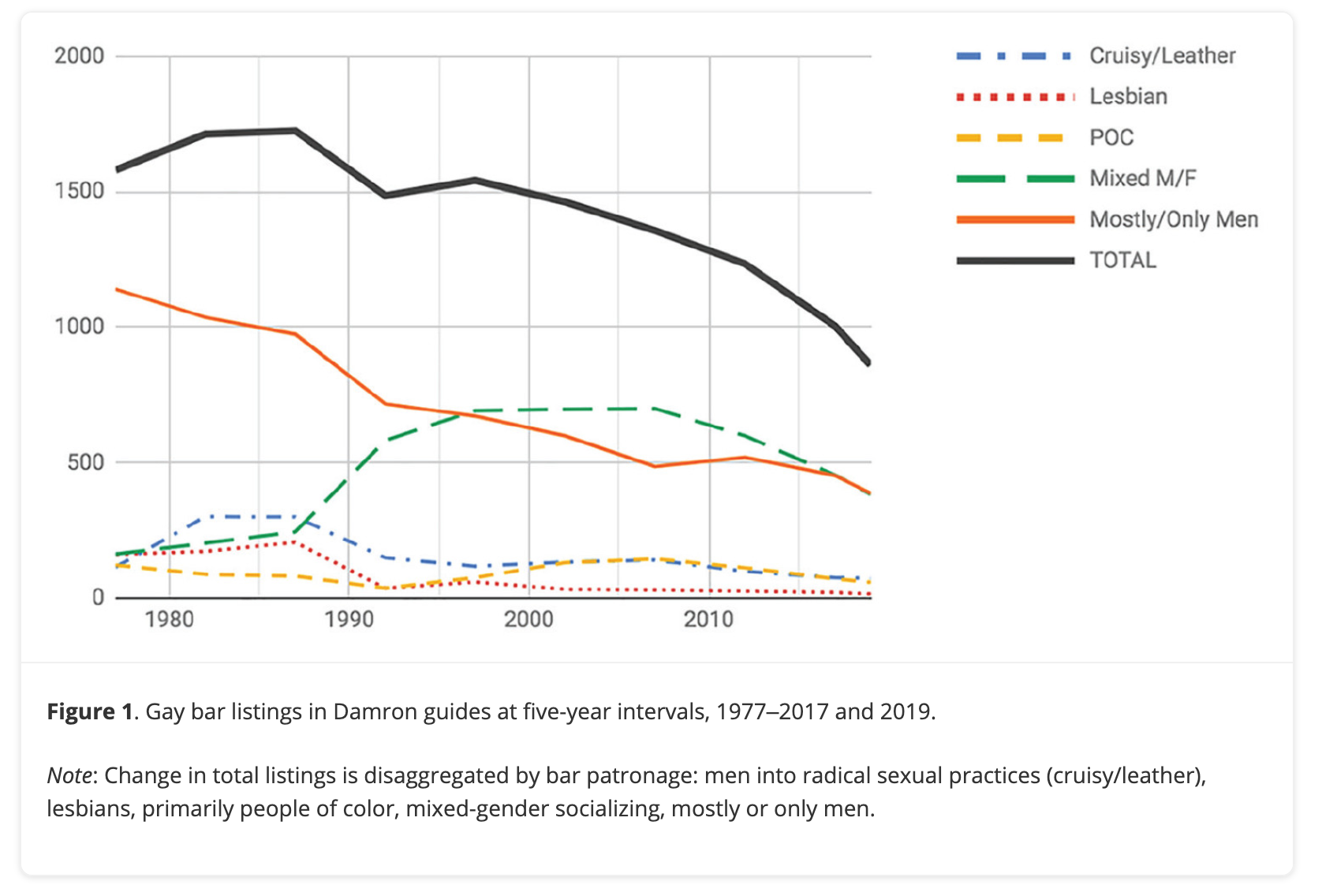
And that's actually when this narrative starts and the narrative, and it really picks up in the '00s. So I wanted to talk about as we think about the landscape of the '90s and into the '00s, did you see, feel that closing or did that come up for you? How did it come up for you?
Katherine Griffiths: Yeah, I think, I think I started to notice in London, it was this kind of the gentrification that was happening and a lot of places were closing down, not just lesbian bars, but other public houses, other kind of spaces.
And it was almost like it ran out. The lesbian chic thing in the ''90s has kind of run out of its energy and it hadn't got that energy from the '80s of the political side or the p- political elements of, of lesbian activism. Um, that, that kind of seemed to die off somehow. And I'm still trying to figure it out because I'm still kind of mapping through the different listings, magazines that, that were out in London, but you definitely see a massive decline.
But where that all came from, I think there was lots of different kind of factors in there. In London, it was definitely the gentrification, people getting older as well who weren't going out to the bars and I think stopped drinking and questioning those lifestyles as well, which has already been mentioned as well.
And there were a lot more one-off events. Those were still happening, but they go under the radar because they, you know, they're, they're very fragile. They'll happen once or twice. They might run for four months and then they disappear. But the actual permanent places, bricks and mortar, they were starting to close down and maybe losing that cache of, of the lesbian chic, kind of the lis - lipstick lesbian that we'd seen in the early ''90s.
Mairead Sullivan: You know, one thing I've been thinking about, and I would love actually for some of you geographers to look into this, but the decline in lesbian bars, I'm not, I'm not sure that it's [00:06:00] specific to lesbian bars so much as, as Katherine's saying about gentrification as like the rise of things like restaurant groups.
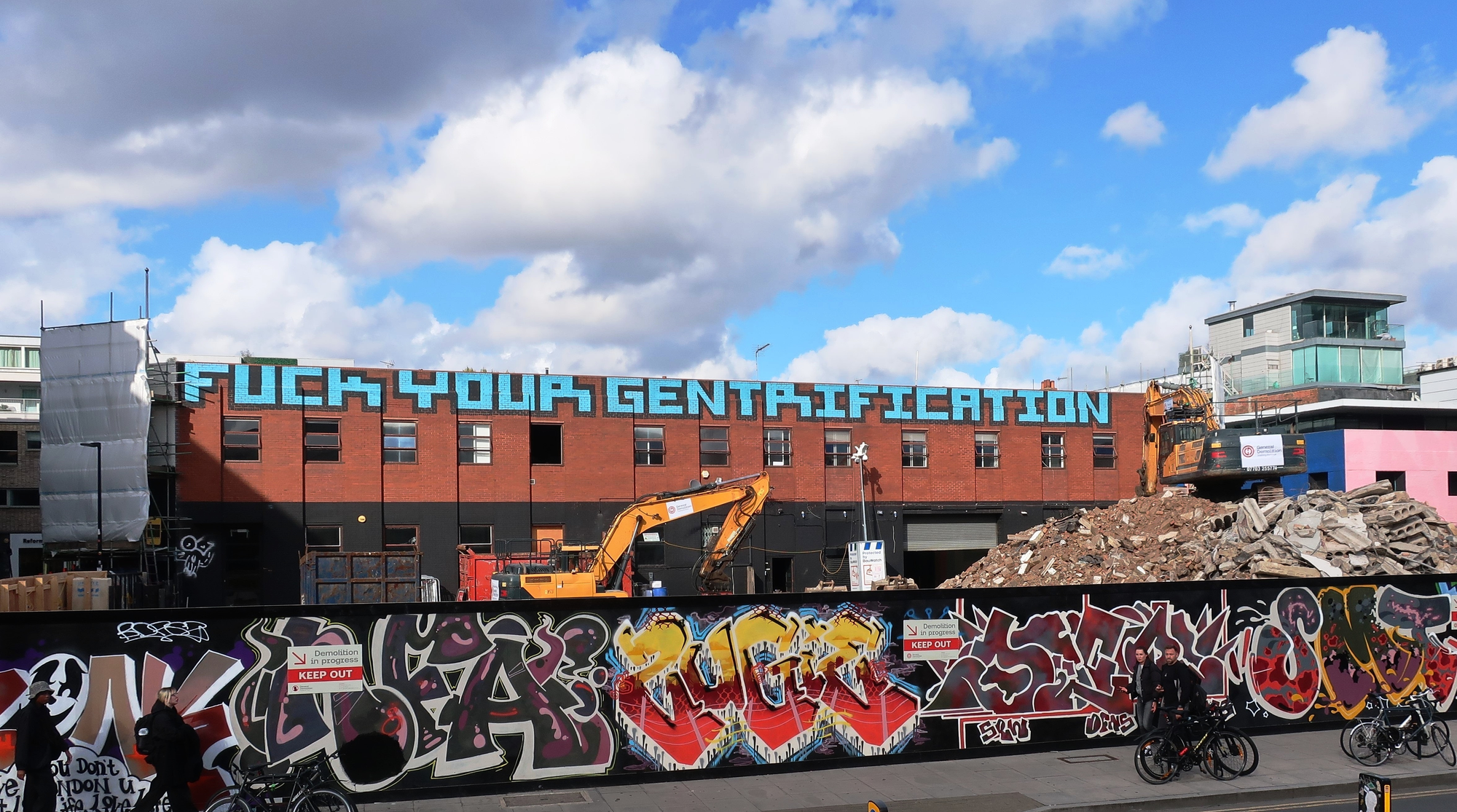
You know, so looking at the Lex, which of course just closed in 2015, so it wasn't part of that wave in the ''90s that in fact opened in the late ''90s, but was bought, the space was taken over by Gavin Newsom's restaurant group. And so this, the kind of like homogenization of urban life in general - Yeah. That like I could go visit Katherine in London tomorrow and it probably wouldn't look that much different than LA in many ways, right?
Katherine Griffiths: Yeah.
Mairead Sullivan: And so I think that that's like an under explored part of this story, like as though there was something specific to lesbian bars that made them collapse and not something specific to urban life that shifted and started shifting in the '90s.
Jack Gieseking: But maybe instead they're, I'm thinking of them like a canary in a coal mine, like when the lesbian bar -
Mairead Sullivan: Totally.
Jack Gieseking: Because they, like they, like we're not gonna be with, able to withstand the pressures -
Katherine Griffiths: Yeah, yeah.
Jack Gieseking: Of whatever's happening. And this is, this is probably the last moment. When we think about nostalgia for the '90s, Katherine, I'm glad you brought it up, and that's definitely very prominent. I mean, besides the fact that '90s fashion, early '90s fashion is so in right now for 24 and younger, et al.
Katherine Griffiths: Yeah.
Jack Gieseking: I, I think there's this idea that there is organizing, there's community, there's bookstores, there's all these places we've mentioned. There's cafes. Um, there's so many places to go and there's so many bars that are still open. Like you could pick the bar, you know, you could go to Meow Mix or you could go to Ruby Fruit or you had so many places to go and you had so many parties just still in Greenwich Village.
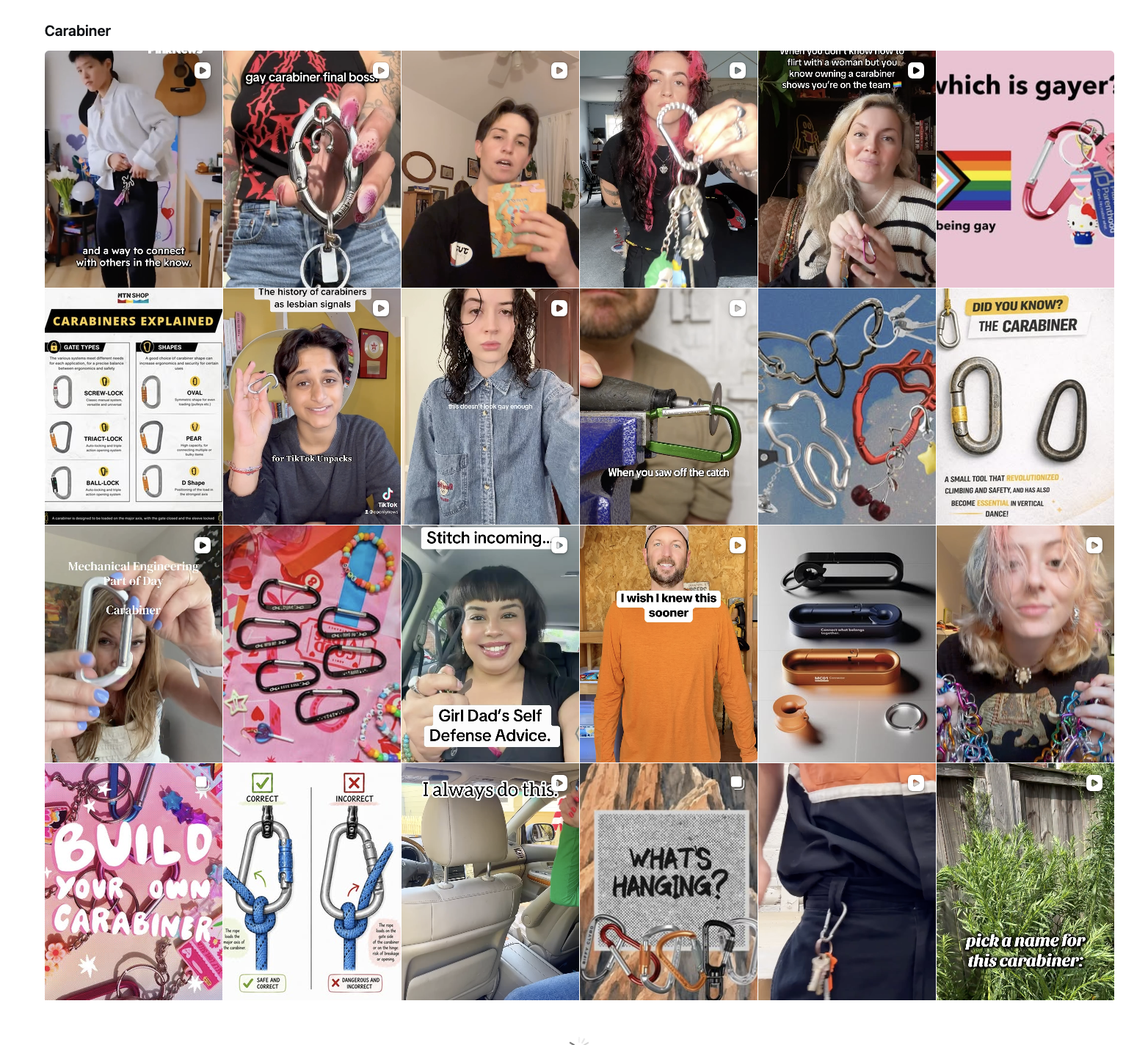
Jack Gieseking - Narrator: My book, A Queer New York, it comes up often, but we're finally talking about the era that I focus on the book. And one of the most interesting things that my participants and I figured out together because lesbians, bisexuals, queers and transs are so good at making up theories, in order to understand how the heck to live their lives or why their lives are like that, like why do we use carabiners? That's gonna be a whole different episode someday.
Anyway, [00:08:00] while we were all sitting around a table, I asked everyone to make a mental map of spaces and places important to them when they were coming out. So I had people who come out in the 80s, the '90s and the aughts drawing mental maps of spaces and places important to them when coming out. And then we sat around a six foot by four foot subway map, because that's the map you see every day in New York City.
And I had them draw their stories onto the map, each person in a different color. Now what was absolutely mind-blowing, and we only saw this when we drew one map together, is that people in the 80s hung out in Greenwich Village. You've heard about Greenwich Village for eons. It's the home of Stonewall.
It's so fabulous. It's on the west side. Now in the '90s, people start hanging out on the lower east side. They kind of migrate east. Now the cool scene is in the lower ast side. Now, in, in the late '90s and the aughts, the bar scene starts to pick up in Park Slope over in Brooklyn. So they go farther east.
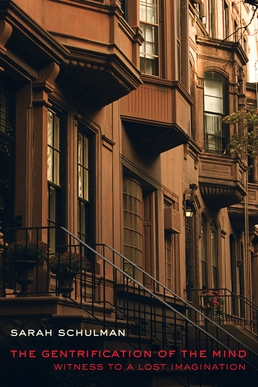
And by the '00s, no one can afford to live in Park Slope anymore. They're in historically Black neighborhoods like Bed-Stuy and Crown Heights. They're farther deeper into Brooklyn. And what you actually see over time is this generation by generation forced migration by gentrification, both led by queer trans people gentrifying New York City and being gentrified out of it. It was a holy wow, bat grrrl.
And that's what I meant by canary in the coal mine. There's so many people who are poor and marginalized, but when their spaces disappear, what are they an indicator of? When lesbi, queer, trans spaces disappear or unable to be sustained, that tells us something about what's possible in the world. It should tell more groups of people, not just dykes about what's happening.
The one thing we're missing in this gentrification chat is that when you go into the ''90s, you might not know this, but the same amazing dyke ecosystems that lesbian feminists built in the 1970s, the [00:10:00] bookstores, the cafes, the restaurants, the co-ops, the gyms-- now, not all of it is there, but its descendants are there or even original spaces are there, which is incredible. They've been passed on. And the sentiment or the idea that you keep building these spaces, all these different kinds of spaces is there. But in the 1990s, it's not like we just lose lesbian bars.
How Race Makes a Place
Jack Gieseking - Narrator: We start to lose bookstores. We start to have cafes shuttered because Starbucks happens, because Barnes and Nobles happens. And because of this homogenization, globalization, it actually shuts down that difference, that interest in the space. Y'all, we have talked about carding for decades and decades. I mean, for the decades of our dyke histories that we've covered, but this is primarily Black women.
We have not talked about the extreme lesser number of Asian women in LGBTQ bars outside of certain cities like San Francisco, Seattle, where there are huge p - Asian populations. We also haven't talked about indigenous queer bars. We don't talk about Latinx and Latin clubs. And we are going to. Those episodes are coming up with the deep dives.
We are just kind of touching on different things about how race is shaped. Coming up next, we're gonna dive deep into how race shapes a space, including transportation, finances, access, and of course, music.
Trish Bendix: In Chicago, when I first came out and there were a bunch of dyke bars, you know, I think that because of the way that Chicago geographically is spaced, a lot of black lesbians would not-- they'd come up sometimes to the North Side, but they would probably rather just stay down on the South Side with, you know, other people of color.
They don't necessarily wanna come all the way up to the other end of Chicago and pay $10 to get into the black bra party at Circuit Nightclub, you know? Um, all this to say that now I am happy and grateful that when I return to Andersonville and go to Chicago, there's a Black lesbian-owned bar called Nobody's Darling named after a great Alice Walker quote.
And it really has been thriving. It's gotten a lot of marketing, media [00:12:00] attention. They seem to be doing well in a space that was actually previously a white, lesbian-owned wine bar, talking about having sex in bathrooms. Uh, sorry.
Jack Gieseking: We love a bathroom, our people.
Trish Bendix: I just. Well, anyway, all this to say, Andersonville has become gentrified. It is still very, like-- and now it's kind of more like white families, like lesbian families, gay men with families. So it's like a different kind of queer space than it used to be.
I'm thrilled that Nobody's Darling has been successful and created a space, especially for Black lesbians, especially for people of color on the North Side, which has traditionally been very white.
Um, and also, Chicago has two additional new lesbian spaces, and one is more of like a sports bar, gonna play the WNBA games, which actually they do at Nobody's Darling too, I wanna add.
But, um, and then the other one is called Dorothy's, and that's in Humboldt Park, which is traditionally Puerto Rican. And it's sort of a hidden, like, you have to know where it's at to, like, be able to find it. Like it's a secret little entrance, but it's supposed to be sort of a, um, like a speakeasy.
So I just kind of love that there, now, are these different iterations of, like, what kind of dyke space you can be in, but that these are three that are always open, always there to the point of, like, not having a cafe anymore or somewhere that you could go in, you know, at 11:00 AM or 7:00 AM or whatever. But, like, you know, spaces that you could walk into, whatever your vibe is, based on one of those three things.
Just having that availability and having the space that hopefully if you are a person of color, if you are a Black queer woman, that you do have somewhere that you could go on any given night and feel comfortable and hopefully not going too far from home.
But, um, I will say that on the South Side of Chicago, I think there are a lot of queer spaces that just aren't marketed that way. They're never probably going to refer to themselves as such, but, you know, that from, from what I've leaned from friends that wanna be around other people of color, like, they're not gonna always take the train up 45 [00:14:00] minutes away from home, so.
Jack Gieseking - Narrator: Yeah. Like, the number of participants I would talk to from the Bronx who are like, "Why would I go to Brooklyn? It's two hours - uh-huh. To go to what bar or what party? Like, you have to tell me it's the best party I've ever been to for me to do a four-hour round trip commute, um, with my friends." Uh, yeah. So, yeah, and, and that absolutely shapes, like, how we, like, geography shapes so much, like, how much time does it take to get there?
And also, Black queer women's parties have always thrived, and South Asian women's parties have always thrived, too. There have been other groups, queer parties, that have, that pop up and thrive in different areas. What was really startling to me about the racialization of dykey spaces in the 2000s was going to something like Henrietta's.
Some nights, there were, uh, what was colloquially called bridge and tunnel folks who would come in, right? So the bri - who were people who crossed the bridges and the tunnels to get into Manhattan from Connecticut or New Jersey, uh, coming, uh, coming down from the Bronx, taking the, taking the bridge. And you have nights that, uh, people who are not from New York, and you have these New Yorkers who are obnoxious, like, how dare you, right?
And this creates a different kind of culture, and then you have a night that was a Latinx night at– there's always been a Latinx night– at Henrietta's that I can remember forever. So the people are getting different nights within the bars that are full going before we get these.
And that's something else that just popped in my head is that lesbian bars aren't creating event nights all the time yet. Like, now if you go to a dyke bar, it's this event, this night, and this event that, like, you can't just go and sit and have a drink.
Trish Bendix: Well, I mean, I'm curious. I'm like, I always assume that's something because they don't feel like they're gonna get enough people coming in on a regular Tuesday night. Like, they have to have trivia.
They have to have all these events that are gonna make people, you know -
Katherine Griffiths: Yeah.
Trish Bendix: Show their friends, like, "Please come out tonight," you know?
Jack Gieseking: That's. Yeah.
Katherine Griffiths: Yeah. Right.
Jack Gieseking: And the bars that closed in the 2000s, uh, the ones that I talked to, [00:16:00] people said, "I didn't do that. I didn't start making the event." So that's when that starts, is the odds.
Um, like, I'm thinking especially of Cattyshack, when we talked, when Katherine, we talked about that really big bar, did, did any of y'all go to Cattyshack in Brooklyn, in Park Slope?
Mairead Sullivan: I did. At some point, I did. I've been there.
Jack Gieseking: It, it, it was, it was huge. It was probably. It's the biggest lesbian bar, like, physical space we had.
Uh, it was a huge dance floor that could fit at least 150 people, squished all over one another downstairs, a pool table. And then you walked upstairs and there was a massive dance floor and a patio so the smokers could go out there when they got rid of smoking. So there was space for them because you ended smoking in 2003 in NewYork City and lots of other places start getting rid of smoking indoors, which is also gonna shift all these spaces.
But this space was really racialized. Downstairs was very black and brown, and the music was pumping and sexy and hot. And upstairs, it was Total Eclipse of the Heart and, you know, turnaround bright eyes. And so it was, it was momentous and there was a Pac-Man machine, but it was very chill and a really empty dance floor, uh, and this kind of, like, white floor, Black floor. And I remember the manager, organizers, different people tried to do different things. And once people had gotten into the routine, that's how the space worked.
And then, you know, you can't afford to stay open if you. Unless you have all these events going on, like you say.
Katherine Griffiths: I'm just sort of thinking about London's geography in terms of race. For, for London, it was Black music that shaped a lot of the spaces in London, but then there's a sort of a.
The downside of that is the commercialization of what Black people had been doing in Britain in the sort of '70s, '80s, '90s, through sound system culture and putting on their own music and putting on their own nights, which included Black women putting on their own nights in a part of London that's very gentrified now.
So Brixton, where there were a lot of Black women squats, so that's where, you know, the music was happening. Then that changed the face of [00:18:00] nightclubbing in London as well, Black music, which is not being given as proper dues, you know, in terms of Chicago, Detroit, New York as well. The Black music started at a lot of the clubbing trends, but then the Black artists, promoters didn't get their, get their, get their dues.
It's, you know, it's the white cis guys that have taken over. So in London, um, we had, you know, there'd be women's nights that were playing Black music, and I remember a DJ friend of mine would be. She was playing music and got a text, this was late ''90s, all her Black friends were being prevented getting access at the door.
The, the bouncers weren't letting them in, her Black friends. So you've got this dichotomy of this, people wanna listen to Black music, but also there's gatekeepers as well. Yeah, we, we don't have that kinda same split in London of this is a Black area, this is a L- Latino or Latinx area or a white area.
There's a lot more mixing, but then when it came to South London and North London, there was that kind of divide where the sort of racist stereotypes meant that you couldn't get a taxi over, over to Brixton at certain times of the night. That doesn't exist anymore because of the gentrification. So there's definitely, um, a, a racial aspect to, to the clubs, to where Black women would feel safe going as well, would be more likely to go out in groups rather than individually on their own to club nights.
Jack Gieseking - Narrator: What Katherine is saying about these party takeovers of, of bar nights in London is super reminiscent of the kind of shift that Lucas Hildebrand told us about in San Francisco, this shift to these super cool, amazing, gigantic parties that were interracial, intergender, multisexual, actually accessible in some way.
And this kind of party culture is growing. So even though London dykes can't claim a long-term bar, they are able to create these party spaces, which is kind of of the moment. Anyway, we're gonna get back to Katherine in a second, but I don't wanna miss [00:20:00] this transnational comparison between the UK and the US.
It's profound. London Dykes were squatting buildings. There wasn't just the amount of, of residential real estate to do that, especially by the yachts. They had these really wee spaces and we had gigantic ones, which is, is so American. But it also helps you think about what is the dyke geographical imagination of the spaces we want or deserve or desire?
What spaces can we claim? And that's why I think our guests' ideas are so cool and so important, including Katherine to think about how does music sustain you? How does music build a space? Now, let us hear about the secret tiny dyke bar in the middle of London's largest railway station.
Katherine Griffiths: You also saw was, again, one-off nights that there was particular women that would, would create some really good nights.
So Yvonne Taylor started a, a sound called Systematic. So I, I can't get the word sisters in, but Systematic was her, um. Sound system which was going in through the 80s, into the '90s, and there's a resurgence. So she's actually playing again now, um, and promoting parties for this next generation, one-off nights.
And there was a woman, Mackenzie, Elaine McKenzie, who had this tiny, tiny, um, bar outside Houston Station. So Houston Railway Station is one of the main intersections, one of the largest stations in London. And she had this, this place called The Glass Bar, which was in the, a tiny, tiny building that used to.


I don't know, it was some sort of, uh. It went back to when the British railways were kinda set up. Anyway, somehow she managed to get tenancy of it, and you just sort of knock on the door, she'd sort of peek through and then let you in. This glass bar lasted for quite some time as a private, very secret, in full view of all these people commuting in and out of Houston Station, and all these dykes would just be kind of popping in and out to have a drink, which was a great, yeah, piece of history, really.
Again, not being written about enough or acknowledged, but, [00:22:00] yeh, Elaine McKenzie, who then moved south, opened a, a, a bar called Southppia. And because she was a Black woman, she actually managed to get more Black women going out and, and providing a safer space. What is still, I think, difficult for Black women to go out on the white scene, because there's still those divisions, unfortunately.
Trish Bendix: I, I have a question for Katherine. Katherine -
Katherine Griffiths: Sure.
Trish Bendix: Is it true that the new lesbian bar in London, you have to have a reservation to get in, and have you been there yet?
What?
Katherine Griffiths: The dyke pop-up thing that's just been happening, you probably do because, uh, from what I've heard, I've not made the attempt myself, it is just absolutely rammed, mobbed out. It's just oversubscribed. And it's probably the only dyke bar in London right now. Yeah. There's, there's nothing, nothing, you know?
Um -
Jack Gieseking - Narrator: Clearly, She Soho is still alive. There's Butch Please opened as a party.
Trish Bendix: I love Butch Please.
Katherine Griffiths: Yeah, those parties, those are the things that happen. It's those one-offs, and they're just oversubscribed. I kind of almost wish I was there now with my knowledge from the '90s, you know, with my sound system and kind of records or my USB, just to put things on, you know?
I'm not in London at the. I, I moved out of London in 2003, so I'm a bit out of touch, but I do get updates from the youngins. Yeah.
Mairead Sullivan: Wasn't. There was a She Bar in Hollywood for a while.
Jack Gieseking - Narrator: Right.
Trish Bendix: Yes. It was on The L Word.
Jack Gieseking - Narrator: Yeah.
Trish Bendix: Girl bar, and then they called it She Bar on The L Word.
Jack Gieseking - Narrator: Yes. Thank
Trish Bendix: you. Like, you know, thinly veiled.
Jack Gieseking - Narrator: Yeah. I love the, the L Word parties.
Jack Gieseking: Before that, like, in the ''90s, it was Xena Warrior Princess, uh, watch parties too. Also became these big mainstays of these spaces.
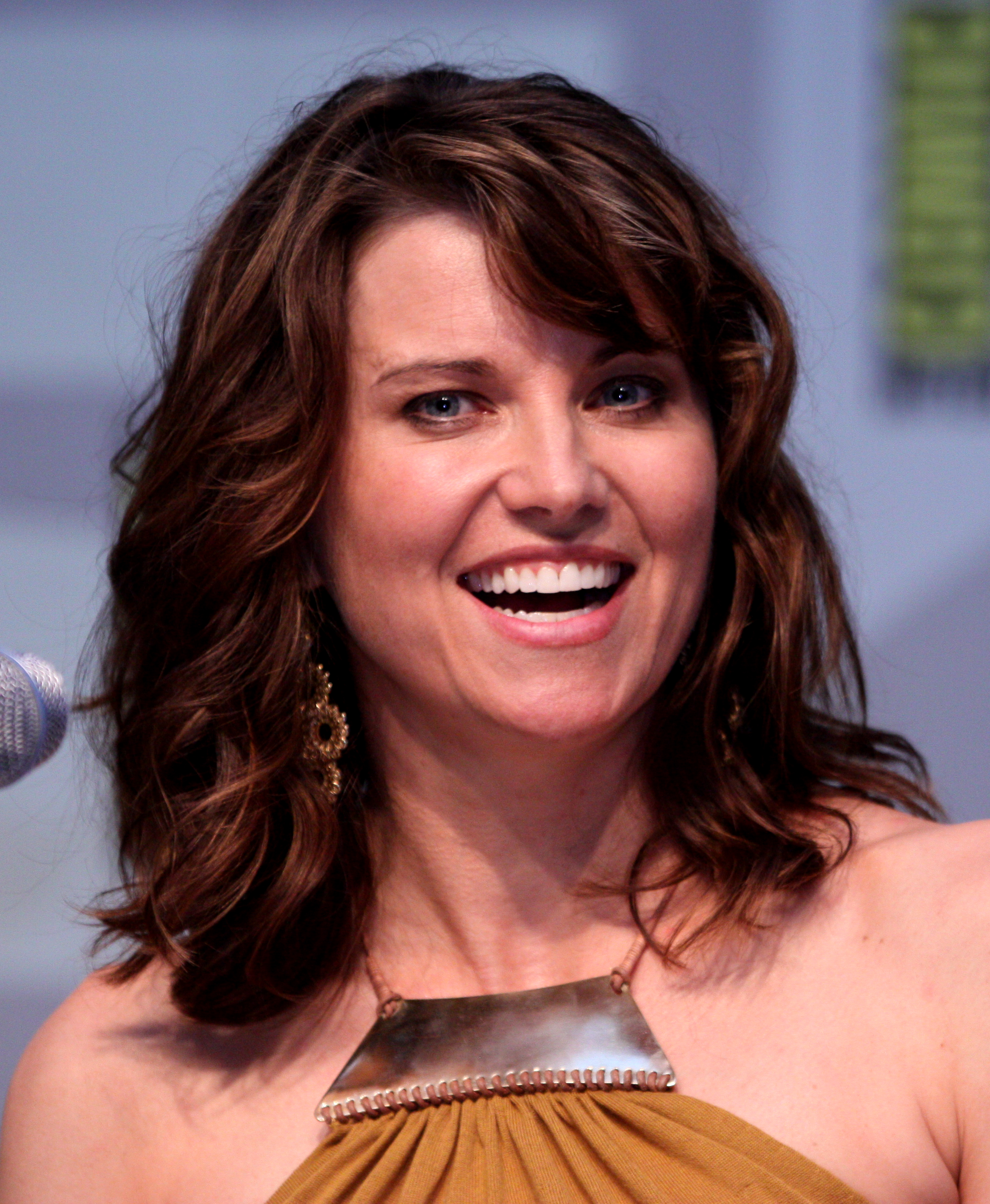
Jack Gieseking - Narrator: Okay. So this is hilarious, and in case you didn't get it, I just thought that the lesbian bar from The L Word was a real bar. There was actually a piece in the New York Times saying, "Where are most lesbian bars these days? You'll find them on TV." There's so many more lesbian bars on TV and movies. I think because straight [00:24:00] people are like, "We need the lesbians to go out and do something and the, and we want the lesbians to be hot, so we'll take them to a bar." The geographical imagination the straight people have is that lesbians can be found in bars just like led by queer trans people.
Imagine that as a cool way of being. Now, when Katherine says there's nothing, nothing in terms of spaces today, she's talking about places to dance and that there's a variety of them. In fact, London is having a lesbian bar renaissance of its own because when you have none or one having a few is amazing.
She soho has been an amazing space for years. I am always fascinated about why London lesbian bars wind up in basements. If anyone has ideas about that, we could make vagina illusions– but the Gateways Club, which existed for decades in London, one of the most famous London lesbian bars, was also in a basement.
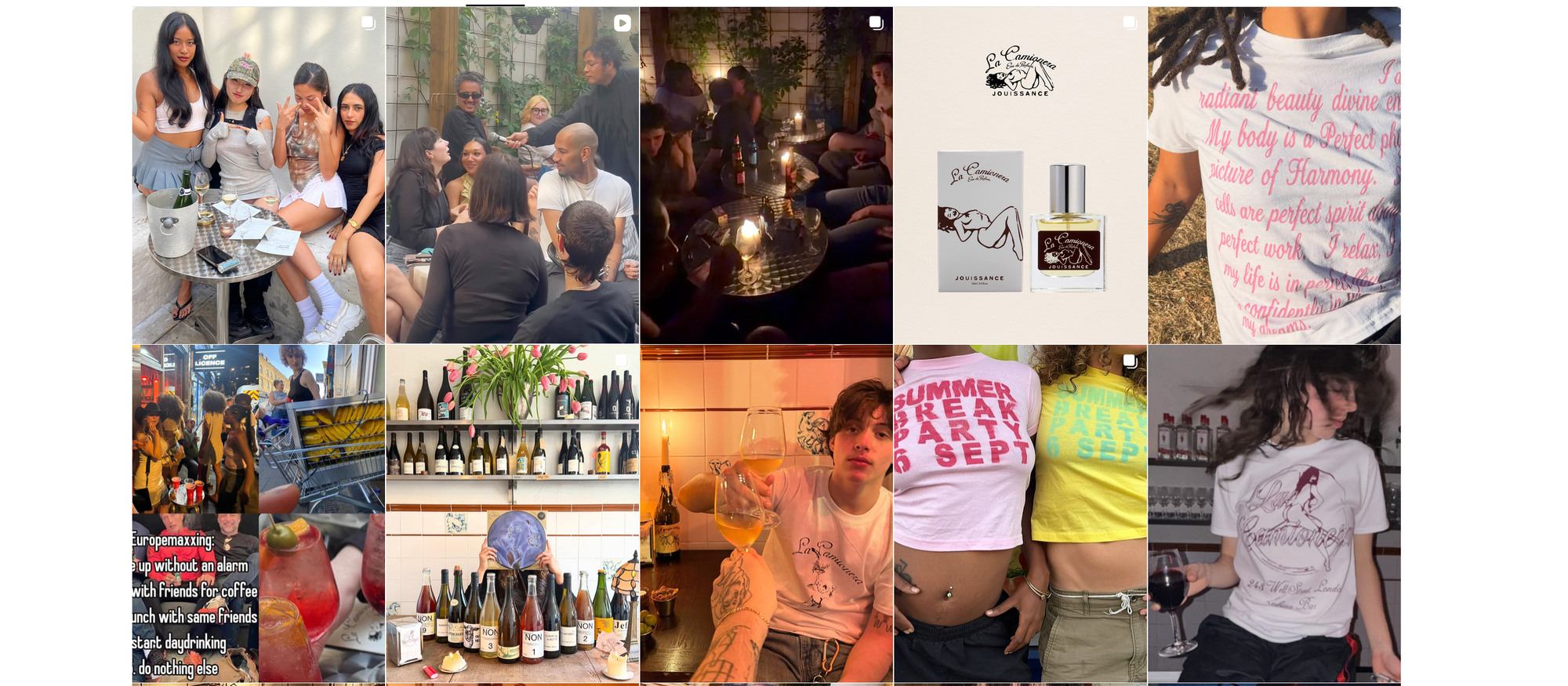
There's La Camionera, and there are so many festivals and events, including probably most well-known because it's completely oversubscribed with arm wrestling, et cetera, which is butch please. And some London dykes are presently building a new bar called Dorothy's.
Millenials Coming Out through The L Word
Jack Gieseking - Narrator: Since I brought up The L Word, I don't wanna miss out on something really important to the odds, which is that so many people, like my ex-girlfriend, hi, Elizabeth, say they came out through The L Word.
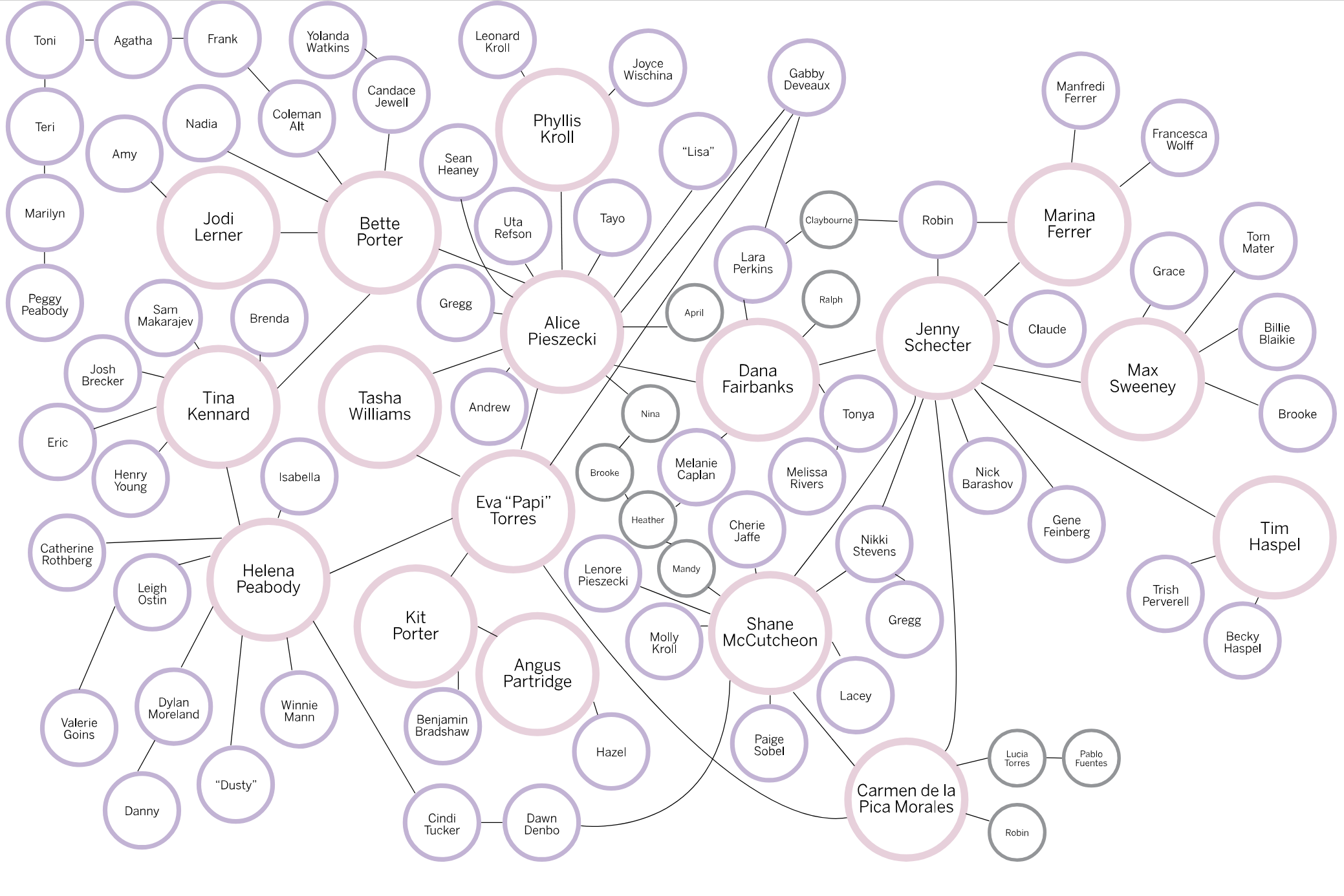
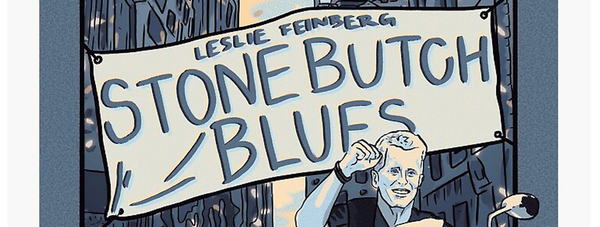
They thought that lesbianism, bisexuality, queerness, transness, was like The L Word. They learned how to be a dyke and two dyke from that show. Earlier generations had Zami, Stone Butch Blues, Rubyfruit Jungle, and way back, the very depressing, The Well of Loneliness. But The L Word did have a major effect on dyke bar culture.
So did The L Word kill the lesbian bar? I don't think so, but let's hear what Trish thinks.
Jack Gieseking: Something that we talked about, but it started this conversation. Trisha, you mentioned femphobia, um, in these spaces, which was really prominent in the ''90s. When did that shift? And at the same time, trans people in these spaces, I wanted to talk about gender and all of [00:26:00] its dynamics and what's gonna happen to quote lesbian bars.
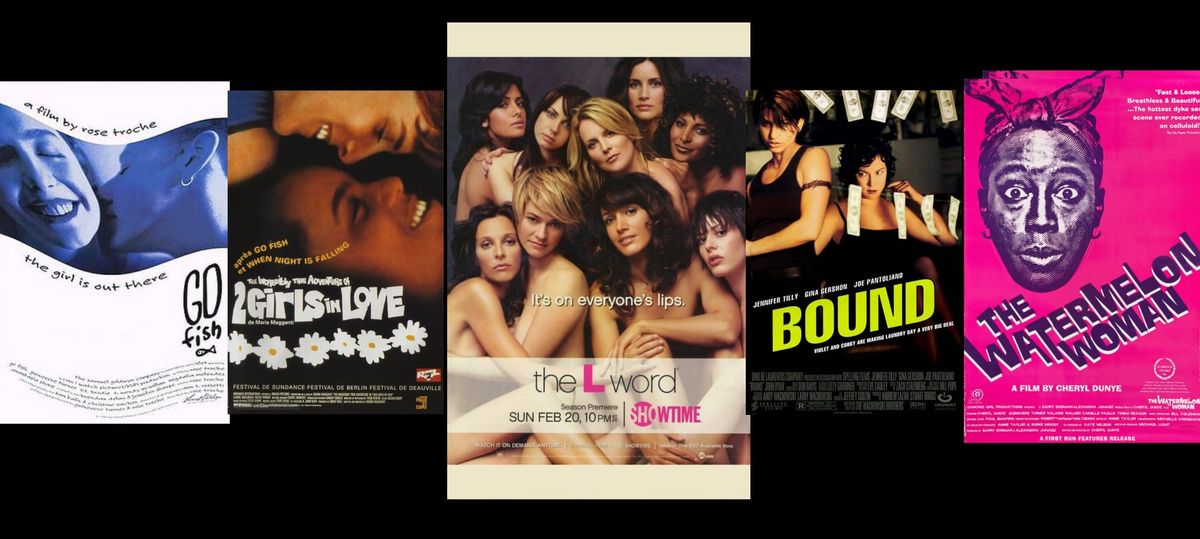
Trish Bendix: Mm. Well, I mean, I can start by saying that I came out right, you know, right when The L Word was on. Right when Showtime launched The L Word. When I was writing this story not that long ago around Lesbian Visibility Day for the last 30 years of lesbian film, and I was talking to all, you know, Guinevere Turner about Go Fish and talk about Bound and putting the lesbian visibility on screen of that time and just like what, what was going on.
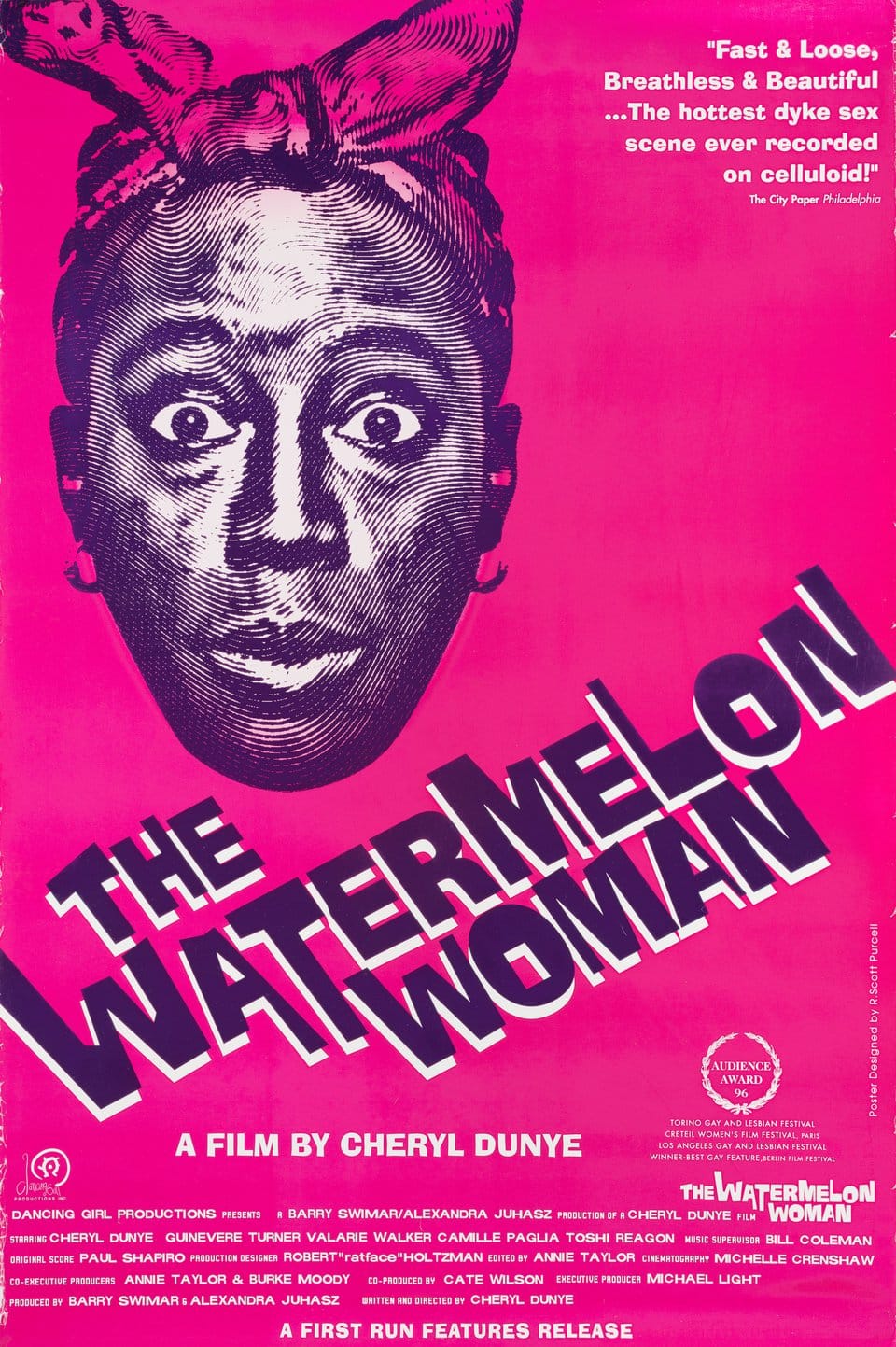
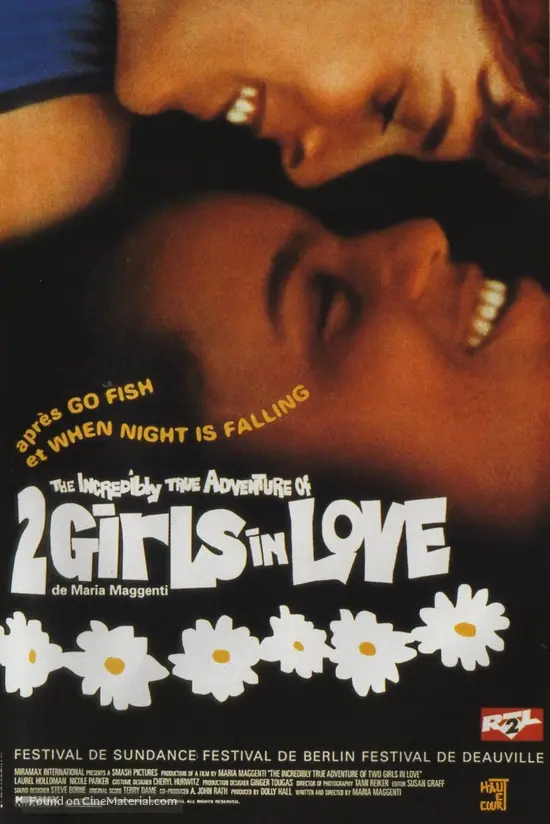
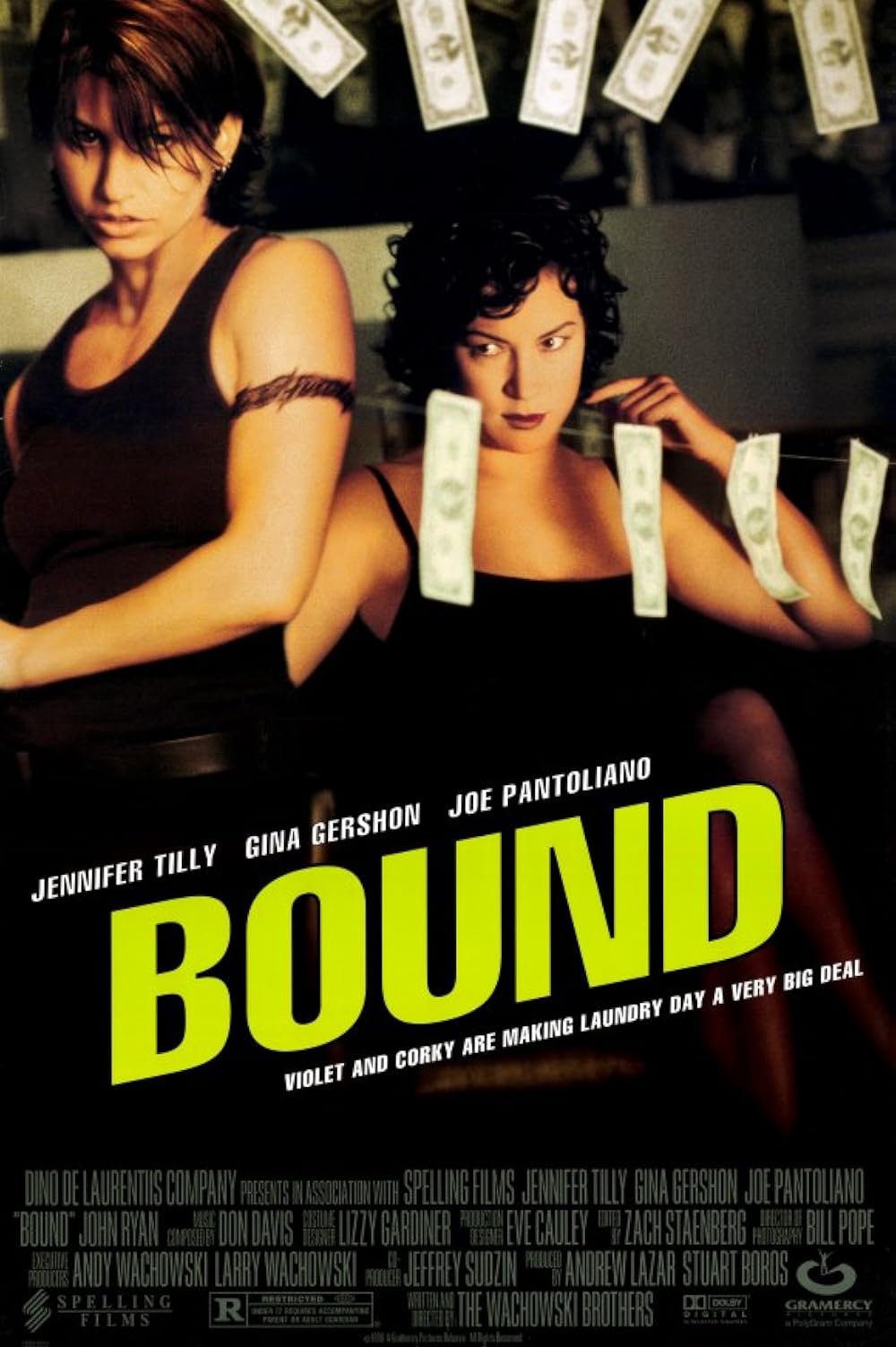
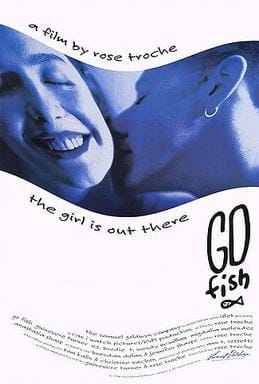
I was coming out during The L Word. And so my thought around this is that when I was talking with all these other filmmakers about that I ended up going to work on The L Word, their theory was that The L Word kind of killed uh, lesbian bars, lesbian culture, like almost like there was a little bit of a, like the lesbian chic era of '92, '93 to 2004, right around the time when The L Word, like that was like the heyday of lesbians. And then when The L Word comes as maybe like a little bit of a fatigue or something. And it's like also tied to what's going on politically, culturally, you know, socially, but in terms of lesbian culture, there seems to be a sort of dip in how cool it is to be a lesbian I think right after The L Word kind of comes out.
And so I think at the same time that The L Word is grappling with like, how do trans men fit into our lesbian bars? Or like how do. I don't even know if The L Word really necessarily did a fair job of even talking about trans women, but, um, I think they were like trying and were a little bit touching on things that were happening in our communities more personally, but only sort of scratched the surface and then gave a very sort of poor, you know, representation of what that looked like and how we showed as lesbians.
'Cause I think, you know, as somebody who came out when The L Word was coming on, I did look to what was on the screen -
Jack Gieseking: Yeah.
Trish Bendix: To then figure out how to live my life and what other lesbians are doing, especially ones that are older than me that have been through this and, you know, oh, here's how they're experiencing someone coming into a community that's transitioning.
Yeah.
Jack Gieseking: So I, I would've read the, it differently. I think The L Word was a massive money maker for bars, um, because I think -[00:28:00]
Trish Bendix: Probably.
Jack Gieseking: Sunday night, that's what you did?
Trish Bendix: Right!
Jack Gieseking: You went to the bar because you couldn't afford Showtime anyway, and you would watch it together, and you had the, "Jenny, no," moments this, to, to share, and why is this happening to Max again, the one trans character.
I saw an amazing talk that Eileen Shaiken gave at NYU where this very just, uh, brilliant undergrad stood up and said, "How dare you do this to Max? How do you make, uh, Max suffer in all these ways and all these hurts? And like, this is just too much." And Eileen Shaken says, "You know, Showtime gave me one, uh, trans character, and all this stuff happens to trans people, and I can only represent it with this
one character." I'm like, "Wow." And that was, that blew my mind. I still think about that.
Jack Gieseking - Narrator: I still remember this night seeing Eileen Chaikin talk and the Gen Q reboot did a lot better. There are trans women played by actual trans women. There were BIPOC people of many different races having all sorts of amazing relationships, and perhaps that is why it got canceled so quickly because it was so different.
From "Trans Inclusion" to "Trans People Have Always Been Here"
Jack Gieseking - Narrator: Next, we're gonna keep talking about transness because the way trans people are present in everyday queer spaces of the 2020s was so unthinkable or unimaginable in the 1990s and the aughts. While my compatriots in this interview definitely experienced a lot of trans people in their spaces, especially Trish and Maried.
And I, as a trans person, did not– I couldn't find out where to find them. And I know a lot of other trans people who experienced it that way too. Of course, if we're talking about transness in the 1990s, the number one way that people talked about transness was about camp trans and the Michigan Women's Folk Festival.
So quick breakdown on this before we talk about Mitch Fest. Michigan Women's Folk Festival had been around for decades by the 1990s. People would go onto the land and they would set everything up. They would build everything. It was like the lesbian Burning Man is the best way [00:30:00] to approximate it. And, but not as crazy and no tech bros. And there were orgies or there were places where nobody would touch one another and healing spaces and, and places people would talk about their cooking. Like you could talk about anything. You could bring your handicrafts, all kinds of handicrafts, whatever gave you joy.
And so at one point in 1991, a trans woman attempted to enter Mitchfest and some schmuck at the door told her she had to show her genitalia to get in. Of course she did not. And this sparked massive outrage. I even heard about it in college.
So by 1999, across the road from MitchFest, they created Camp Trans. This was a completely trans forward space that also included cis people, really cool. But this debate and the angst went on, it intensified. The concept of a TERF was born. The Indigo Girls decide not to play there. So many other acts decide not to play there eventually.
And this went on for years and it was something that people would talk about in bars, at parties, how to conceptualize like should Mitch Fest continue. And it eventually shut down in 2015.
Trish Bendix: Right?
So I think that we all as a community were figuring that out. Like what does it mean for someone that w - is a drag king on Friday nights to then decide Saturday, Sunday wants to live and present, you know, as a masculine person? And how does that change someone's relationship to them if they've previously identified as a lesbian in a lesbian relationship?
I think there was just so much of it that was going on, that we were all sort of figuring out what it means for all of our identities collectively. And then to find and agree upon one space to then be able to be in without, without people feeling left out or feeling like they shouldn't allow to be there.
You know, especially like I'm originally from Michigan. And so, you know, the Michigan Women's Music Festival as a space has been highly contested. And living in the Midwest at that time, it was very palpable of a discussion for friends that were going because they [00:32:00] thought I'm gonna make a change from the inside.
Friends that were women of color that were going there saying, "Hey, we had to do this with racism inside of there. We're gonna do it with transphobia and gender inclusivity." You know, so it, I feel like, um, there are a lot of worthwhile necessary conversations and growing and recontextualizing what it means to be.
That's why I kind of claim the dyke. I mean, I use lesbian, but like I also think dyke is much more representative of like how I feel politically and in terms of like I see it as a more all encompassing and inclusive kind of term. I know a lot of people have a lot of problems with it, especially like older women.
But I think it's like, I always felt, because I've, I've always written about lesbian culture as long as I've been a lesbian basically, that we're all learning in public. You know, we're all learning very publicly. Yeah. We're all learning together. There's gonna be a lot of fucking mistakes and we're gonna call each other in hopefully more than we call each other out.
Jack Gieseking - Narrator: This is a brilliant and somewhat obvious, but also must be repeated forever point because it's not that obvious that people say it enough. Shout this from the rooftops, Bendix! Fuck you cancel culture. We are truly all learning together.
Trish Bendix: You know, for someone that's covered this in pop cultural ways and thinking about it now more recently in terms of like looking back 30 years ago, what we were seeing of ourselves to then decide how to be was the very beginning of how we see our spaces growing to where we're at now to be able to, to use now sapphic as a more all encompassing term maybe versus lesbian, to use queer as a catchall, but really not necessarily be inviting cis gay men to the party because they have several of their own.
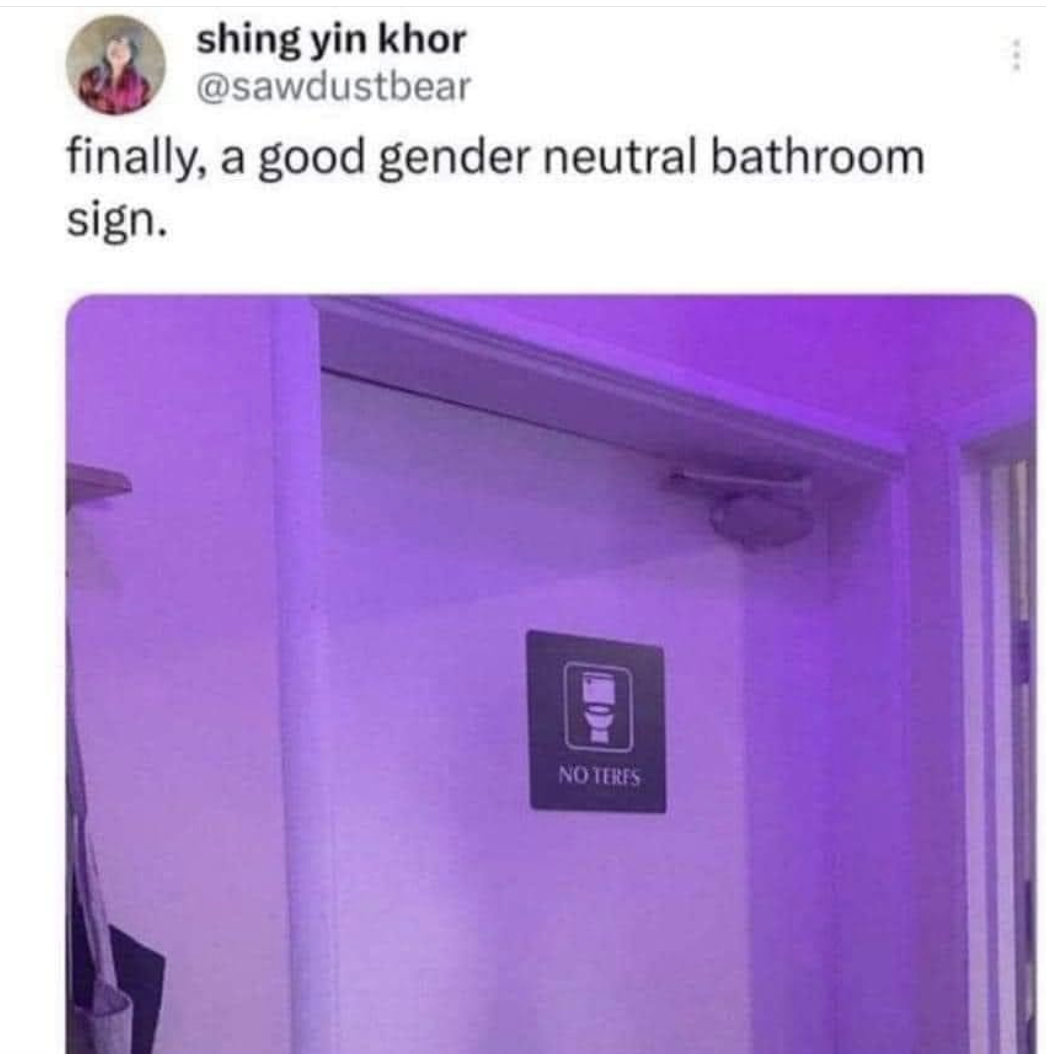
And you know, just, I feel like there's so much going on in this one - Yeah. You know, space. But, um, I feel most comfortable in a space that is 100% anti-TERF. And so thanks for the Ruby Fruit having a sign on the door says No TERFs Allowed, you know?
Jack Gieseking: But I, I, going to Doc Holidays, I was, working a job where I [00:34:00] commuted and I left the city and I came back a couple months later, this is the biker bar on Lower East Side, and I had started to make butch friends for the first time in my life. And, um, I had been hanging out with them and they, like, I remember I was very drunk and I, someone said, "Do you wanna try tea?" And I'm so drunk, it's well after midnight. And I was like, "I love Earl Gray." And they were like, "No, maybe not you. Like, maybe you don't get it yet."
Like immediately I was, I was the dyke who was like, "Where are the long-term studies?" Like I was such a dad. My nickname in college was dad. And, you know, are we okay? Are we, are we safe? Who, how, who's supporting you in this?
All these people disappeared and there was this young woman sitting at a booth, sobbing cis woman, femme person, very, very intoxicated with her friends, all femme people, and saying, "Now my, my ex-girlfriend's my ex-boyfriend and I don't, and he's hot. Am I a lesbian? I don't know." And like this, you could see the whole meltdown of lesbian culture in this one booth that all of a sudden these, these places, and I remember people just stopped going to Doc Holidays. Starlette, the party closed down. There were, there were six parties on the Lower East Side and the village and they just ended.
Uh, because no one was going out anymore. I call it the trans-surge because we'd had these "women's" spaces for so long.
Jack Gieseking - Narrator: In retrospect, spaces like Doc Holidays were magical, not only because they danced on the bar, but because we were all part of changing the entire culture and even way of being and doing lesbianism.
It was amazing. So how did we get access to all of these hormones? How do we get access to surgeries? Well, my friend Mary Gray told me an amazing story about San Francisco in the '90s. She worked on the board of an organization and there were all these young trans people moving to San Francisco because they though, "Hey, it's the '90s. Where can I go and be gay and be trans? I'm gonna go to San Francisco." And there's these nascent bulletin [00:36:00] board systems (BBSs) and the early internet where people are coming into themselves more and more as trans and they're gonna find their way in San Francisco.
But they get there and they realize actually there are no services. There are no hormones. There's nothing. And you still have gender identity disorder where you have to wait a year, quote, living in the clothes of the opposite sex under the oversight of a psychiatrist to be able to get hormones. This is the way it used to be before 2013. Anyway, because all these young trans people are moving to San Francisco and they have no resources and they have no finances and they can't just magically transition, they are unsurprisingly turning to drugs, turning to sex work. They are, and a huge content warning about the next word, committing suicide. It is tragic and awful.
And that's when this organization was like, "Wait, what can we get them?" And they dug deep into the law and there actually was no law to forbid anyone from giving someone else hormones. You didn't have to wait a year that, as the DSM says, you could just give them away.
And so in San Francisco, all these trans people start showing up and they're able to get hormones. And then the City of Seattle's like, "Wait, we could just give hormones away? Awesome." And then the City of New York, Callen-Lorde says, "Wait, we could just give hormones away in Washington." And it just spreads throughout the country.
So it's very uneven about what city you end up in where if you have access to hormones. And of course, at your local LGBTQ clinic, you're also telling the LGBTQ community, "This is safe. This is accepted." And it created a much more trans welcoming world. Slowly though.
The healthcare that trans people couldn't get in spaces like health centers or through word of mouth at bars, they learned from Tumblr. My gosh, did Tumblr save our lives! The number of photos of scars and the names of surgeons that got passed around, that's how I found my surgeon. There was also TransBucket where you could share all of your photos of before and after. And this is different when you think about how the US worked versus other countries.
When I moved to Berlin in 2010, [00:38:00] I asked my friends like, "How, how did it work here?" And they're like, "We have nationalized medicine." And then there's the UK where TERFs have really taken over any idea of what so-called feminism is there. And I love feminism, so we're just taking it back.
In fact, I wanna give you a heads up and I wanna encourage you to use the other acronym of FART. That is a Feminist Appropriating Radical Transphobe. A fart is a much more accurate term.
There was so many other forces that shifted and brought about a very different geography to dyke spaces, including the internet, dating apps, gentrification, costs, inflation is happening in the '90s and ought alcoholism is going down because of mothers against drunk driving because there are finally LGBTQAA meetings.
There are also these super parties and the temporality of AIDS is shifting our entire way of life. How do you wanna live if you don't get to live forever or even very long? And we create bigger ecosystems that we can have queer yoga, we can have a queer architects association. There's so many more spaces that declare that they must exist for Black women and trans people, South Asian women and trans people and on and on.
And there's also things that continue to close down bars and continue to close down dyke spaces like noise complaints. I just wrote a great piece for Queer Geographies on that, including the noise complaints targeted at Ginger's and the one at my sister's room, which shuts down business and just shows you how the long history of policing queer people is very far from over.
Next up, I'm gonna say femmephobia is over. It is not over. No, no, no, no, no. There is still misogyny and we are fighting it tooth and nail, but it really shifts in the bars. But what I mean by being over is that it wasn't the major focus of what we were talking about in bar spaces because there was a focus on transness instead.
So did what I call the trans-surge change led by queer bar spaces forever? Yes. And thank the goddess it [00:40:00] did.
Jack Gieseking: It's this idea that the "butches have left us" is the horribly transphobic language that keeps getting passed around. Um, and then -
Trish Bendix: Butch flight. They call it butch flight.
Jack Gieseking: Ooh, that's painful. I know.
We're still here. I'm still here. Um, and, and also this is gonna replace femphobia. I feel like the femphobia kind of like tips out as a conversation now because it's so many femme leading spaces. Uh -
Mairead Sullivan: Well--
Trish Bendix: maybe this is later, but was it because everyone was going to original plumbing parties instead? Oh yeah, later.
Jack Gieseking: But the precursor to that, and, and there's, you know, there's one trans chat group at the, at the LGBT center, you're, you're on the internet.
Mairead Sullivan: Well, original plumbing is like 2010, but yeah.
Jack Gieseking: And it's not until the late 2000s seeing a trans masc person in a lesbian bar, like one at a time is become like acceptable and normalized. So that's a big spread of time.
Mairead Sullivan: Maybe, I mean, and this is to the side of lesbian bars, but in the ways that we've been talking about dyke bars and nights and spaces, I wanna give a shout out to Eliza Shapiro in Boston who started running the night Tranny Rack maybe in like 2002, 2004, something. And so, you know, I have a lot of critiques of Boston in the 2000s, not just about the queer scene, but just like writ large.
But, you know, I felt like at least in the circles I was running in, we, we were all trans and celebrating it.
Trish Bendix: I also went to a really great party in Chicago for years. Um, started out being called Transmission. They changed it to FKA, Formerly Known As, which I actually really loved that name. And that was at a queer space called Big Chicks. And, um, it, it just was, it was incredible, I feel like, to be coming out of that.
Even if a lesbian, it felt like was becoming less cool as The L Word got into, you know, the later years. I feel like I really was part of a burgeoning sort of genderqueer trans moment that was happening. And for me, it was in Chicago, but [00:42:00] it's, I mean, I, I'm hearing that it's - Yeah.
It was all over the place at the same time.
Jack Gieseking: Yeah. And there's places like Tranny Shack, El Rio, there are people, there are places where trans women have always been hanging out.
"Lesbian" v "Dyke" v "Queer", and now "Dyke" Again
Katherine Griffiths: I mean, I, I can't really comment on a lot of that because of, you know, my, my kind of partying was in the ''90s. But that, but the sort of shifts, it's almost like this kind of little, I don't like the wave metaphor, but we kind of shared in and out of these different sort of movements and, and, and changes.
And I remember in the early ''90s, there was, um, the drag kings were coming in alongside the lesbian, um, the lipstick lesbians. And I remember there was drag king beauty contests in Central London that Valerie Mason John and Linda Riley were putting on.
Mairead Sullivan: Mm-hmm.
Katherine Griffiths: So that really started to push that kind of the '80s lesbian feminists who were still around or, or some of those thoughts in our own minds as well.
Like where is, you know, lesbian identity going, um, if we can have a, a drag king beauty contest and we can have a lesbian. I think there was a, somebody kind of deliberately called it Lesbian Miss World contest as well that was really pushing lesbian sexuality, which we'd lost in the '80s.
The whole kind of lesbians and sex thing was kind of, you know, really repressed almost. It was only people like Del LaGrace, um, you know, that were kind of pushing that. And I guess the SM, or said, masochistic dykes were pushing that. And at the same time, we were also kinda.
And it's really interesting, uh, Trish, the way that you described how we're just learning all of this in public, but also learning through the word, the language that we started to use as well, because I've kind of gone through thinking of myself as lesbian, dyke, and then really liking the word queer, but now coming back around to, you know, I love the way you're talking about the word dyke, which has got a lot more political oomph to me because it's still got that rebellious nature and it's kind of an all-encompassing word as well. And it's taken us away from the kind of what might be connotated through the word lesbian.
And that's just shifting so [00:44:00] much all the time. And I think as long as we're learning to kind of move with that, our identities, language, and have these conversations, that's the only way forwards, you know, for all queer people.
Yeah. And I love, Jack, the way you've talked about it in, uh, in a queer New York and identifying that with, you know, heterosexist, capitalist suppression, you know, that's, for me, that's, that's kind of the bottom line. Yeah.
Jack Gieseking: Katherine, though you were gonna say cunt in there too, and I was so excited. I was hoping for that slip it would've been.
Katherine Griffiths: Uh, next time, yeah. I'll just make a note too.
Jack Gieseking: Okay, good.
Mairead Sullivan: Well, I mean, I think I added a little bit talking about Tranny Rack in Boston, but I think that there's a way that lesbian as a term gets captured. I mean, what I argue in my book, it gets captured for these sort of TERFy ends. And I think that also part of what happens is then in our pushback against these, these TERF movements, we tend to throw the lesbian out with the TERF bathwater right?
Um, and so we create our own kind of revisionist history of like, well, so all these lesbian spaces were so trans-exclusionary... And I'm not saying that that's not true, but I also wanna be careful of painting with these broad brushes. Yeah.
And I think too, I mean, again, someone's probably gonna tell me all the h- horrible things and stereotypical ways in which trans women were treated in gay men's communities, but I do wonder what's shifted in gay men's communities?
Katherine Griffiths: Yeah.
Mairead Sullivan: And whether street queens and trans women had more home in gay men's communities up through the ''90s, and perhaps have more of a home now in lesbian-dyke communities. I mean, I say all the time that actually, if we're thinking about lesbian or dyke as a sort of political commitment, I think trans women are leading us in those political commitments right now.
Jack Gieseking: Yeah. And not putting the responsibility on them, but just listening to them and then -
Mairead Sullivan: Right.
Jack Gieseking: Yeah.
Trish Bendix: One other though I just had, I was just thinking about ri - I wrote this story for LA Magazine, um, I think it was 2015 when the very last, they called it lesbian bar, Oxwood Inn, which was in the valley here closed before we had this resurgence.
After 45 Years, L.A.’s Last Lesbian Bar Is Gone for Good
But Oxwood Inn had unofficially become a trans woman's bar.
Mairead Sullivan: Mm-hmm.
Trish Bendix: It started as a lesbian bar. It was a lesbian bar for a long time. And of course, lesbians would still go sometimes, but it became hugely popular with trans women. And I, I kind of loved that, just like I was saying earlier with the, the white lesbian-owned wine bar that then got transferred into now it's a black lesbian-owned wine bar.
It's like just how sometimes these spaces evolve with us because - Yeah. It's just such an interesting thing that it's like we are so connected, it's not so like lesbians and trans women existing in the same space.
Mairead Sullivan: Right.
Trish Bendix: And, um, it's just, it, I, I love that. Like I love that about our culture. I love that watching Bound now versus in 1996.
I'm like, wow, two trans dykes made this film and I can re-contextualize this entire story. Right? And the real life effort and intention that went into bringing real dykes in from the Bay, Susie Bright in to make sure the lesbianing was correct. You know, like there's just so many things that I think we can look back on now, um, from the ''90s and early 2000s and be like, "Wow, well, actually, I'm thinking about this differently or I'm expanding on that."
You know? I like that about us.
Mairead Sullivan: And, and like what, what happens if we actually decenter the idea that there's some sort of like neutral lesbian that is cis and white and everything else is a deviation from there? Like what if it's actually trans women who have been leading lesbian all along or certainly women of color, black women especially, et cetera.
And I don't mean that as a kind of like rescue or revisionist history, but I mean that as a way to push back against what I see happening in all sorts of, of realms, which is this sort of like neutralized assumption that lesbian, uh, on its own is cis and white and then is a qualifier and all these other arenas.
Jack Gieseking - Narrator: Yeah.
The Bars We Still Want to Go To
Katherine Griffiths: I'd really like to go to America and hang out in some of these bars. It sounds great.
Jack Gieseking: Yeah, me too. I, I love the way, Katherine, you talk about the people who run the parties the way Kemi Adeyemi does. Like people who study party culture is very different. You name the people are like the bar, like, right?
It's like instead of the place, it is [00:48:00] the person that is the institution of the place. Goddess bless all of them.
Mairead Sullivan: Well, let's screen this at Ruby Fruit and since Trish and I are in LA, maybe we can get Katherine and Jack in right now.
Jack Gieseking: To dream. I mean, I would love, I would love to go -
Jack Gieseking - Narrator: And I mean, I still dream because I would have loved to gone to Ruby Fruit, which closed because of not having enough funds.
They lost a lot of money having to close during the wildfires of LA and still trying to keep their staff afloat. How do you stay open if you're not making money all the time? As well as the usual agonies of those dyke bar* spaces that aim to be anti-racist in an all welcoming space in a capitalist world.
But I still dream --because part of that is I was dying to go into the RubyFruit bathroom that only played the Indigo Girls. Now let's close it out.
Jack Gieseking: I also am dying to go to Honey's in LA. I'm dying to go to all the new spaces I haven't been to yet. Um, I just got to go to Grotto, the new pop-up party.
It's more recent in New York, which was quite fun. And I love that. And then the Bush was fantastic too. So yeah, these new spaces are great. It's wonderful reminiscing. Thank you for wearing your Meow Mix shirt and, uh, thank you all. Thank you so much.
Mairead Sullivan: Thanks, Jack, for bringing us.
Trish Bendix: Thank you.
Katherine Griffiths: Thank you. Thanks.
Jack Gieseking - Narrator: Hurrah for dykes. Yay. That is a wrap for the ''90s and the '00s. I hope you all enjoyed it. I am so grateful to Mairead, to Trish, to Katherine. They are so smart and they're so wise. And I am grateful to think about this period all over again. I, I hope if you're personally exploring the ''90s and the '00s, you've found an incredible amount of resources to dig into.
And of course, I will have more in Queer Geographies. Have a great dykey day.
Thanks for tuning into Our Dyke Histories in collaboration with Sinister Wisdom. Do share Iow Dyke Histories with your friends, colleagues, fellow students, exes, crushes, or heck, use it as a pickup line when you don't [00:50:00] know what to say in a bar.
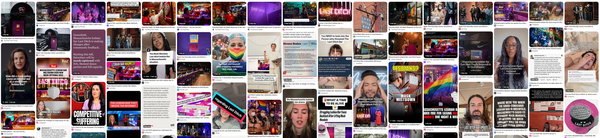
Good luck to you, brother, sister, and them sir. You can easily connect with us on Instagram or Facebook at our dykehistories and come and follow me, Jack Gieserking, via my newsletter, queergeographies@queergeographies.com, which is packed with all the images that accompany the transcripts from all of our episodes and many more tales of dyke bars, queer parties, trans hangouts, as well as a myriad of other queer spaces and queries like do dykes cruise? I have data.
Never stop loving on all things Sinister Wisdom. At sinisterwisdom.org, you can subscribe, buy their books, or make a donation. Now onto our credits. We are a small but mighty team. Our Dyke Histories is recorded, edited, and produced by Jack Gieseking and co-edited and co-produced by Cade Waldo.
Our social media is designed and managed by Audrey Wilkinson. Our theme song, "Like Honey," was graciously gifted to us from Kit Orion at kitteryon.com. Interns for the show include Becca Moses and Sophie McLaine with additional input from Rachel Fagen. We're forever grateful to our co-producer Julie Enzser and the entire team at Sinister Wisdom publishing since 1976.
Sinister Wisdom recognizes the power of language to reflect diverse, multicultural, lesbian experiences and to enhance our ability to develop critical judgment. As lesbians evaluating our community and our world, we share our dyke histories so we know more about who we are, how we were, and what we fight to never forget.
Let's keep doing it, y'all.