How to Be an Activist: the 1980s from Auntie Valerie Walker
How racist is queer life? And how do you be a 40+ year activist despite it? Auntie Valerie Walker tells all, including how "the bar scene is its own movement."

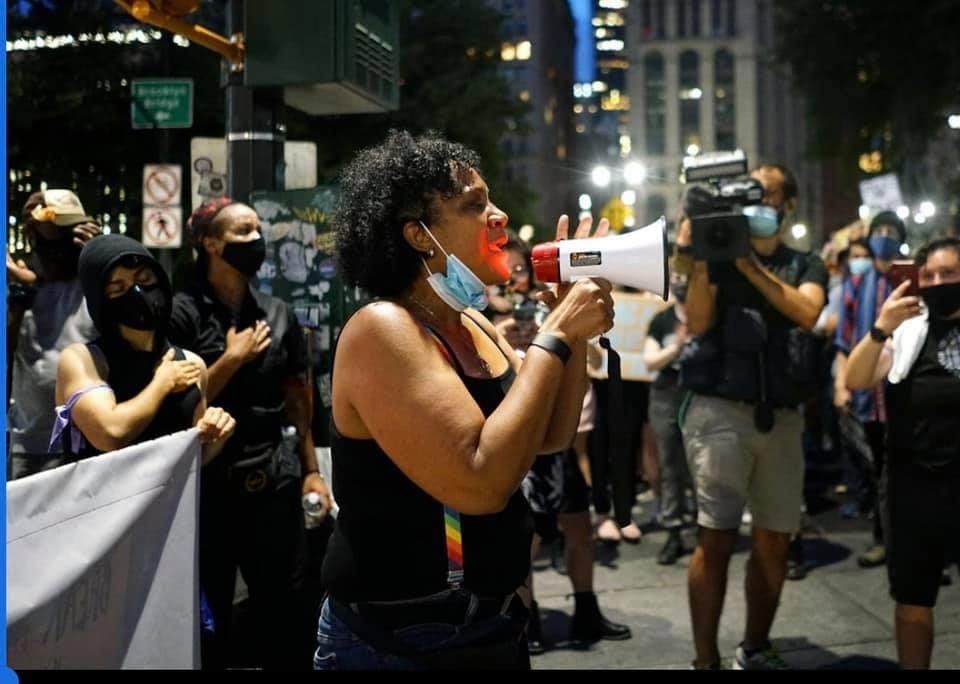
We have one more dose of the wow of the 1980s.
In this extra 1980s episode of Our Dyke Histories, Jack Gieseking sits down again with one of his favorite people. activist and artist, legendary Auntie Valerie Walker to talk about bars, dancing, organizing, racism, AIDS, ACT UP, the Lesbian Avengers, and the queer joy that keeps us connected.
Valerie remembers Garbo’s, The Duchess, Henrietta’s, Cubbyhole, Nanny’s, and the bars where she danced so hard that they paid her to keep the party going. For her, the bar was never just a place to drink. It was where people met across differences, found one another, shared information, organized, hooked up, and made community. The conversation moves from the racism Valerie experienced inside ACT UP to her work with the Lesbian Avengers, including a delightfully thorough protest involving phone trees, Dyke TV, Hershey’s Kisses, and a whole lot of kissing.
And underneath it all is Valerie's call to keep building who all lezbiqueertrans people can call Auntie Yes. She leaves us with mic drop wisdom that "the bar scene is its own movement."

Introductions
Valarie Walker: Hi, baby. How are you? Oh, my God.
Jack Gieseking: I just, just, I'm just ... I've been dying to have a chat with you, so this was just great to just add in Sarah Schulman, you know? Just... as one does.
Jack Gieseking - Narrator: Welcome to Our Dyke Histories. I'm your host, Jack Gieseking, historian, geographer, and environmental psychologist. We dive into the past and present of lez, queer, trans, sapphic, enby communities decade by decade in collaboration with multicultural lesbian literary and art journal Sinister Wisdom. This season, we're all about dyke bars, with an asterisk.
Lesbian bars, queer parties, and trans hangouts, the structures that made them necessary, the lives they made possible, and the worlds we made from them.
Our Dyke Histories: come for the history, stay for the revolution, gossip, and desire that built us.
Welcome to our extra '80s episode with the activist, barely an elder, and utter queen that she is, Valerie Walker. If you missed our previous two episodes with Valerie, we also talked with the amazing activist and author Sarah Schulman and the lesbian mystery writer Katherine V. Forrest. Incredible double episode.
Valerie was a member of ACT UP, Lesbian Avengers, and she's gonna share so many stories about the '80s into the '90s and how recently she personally organized thousands of queers in an outdoor distance march across the Brooklyn Bridge during the early days of COVID.
But Valerie and I are old friends. She randomly signed up to be in the research for my PhD dissertation that became the book A Queer New York. And I invited her back because I reread it, which is so weird for every author, and I realized that Valerie was my protagonist. She was the one I formed the arc of the book around, not only because she's wildly quotable and utterly hilarious, but she's also incredibly brilliant and insightful.
So get ready to laugh, have your [00:02:00] brain opened about the 1980s, especially about how we organize in, and among, and within frameworks that are racist, even when we idealize our queer organizing history.
In order to kick us off, I'm gonna replay her intro. Here's your Auntie Valerie and mine.
Valarie Walker: My name is Valerie Walker, and I would have to say I was trying to remember, it was either Garbo's or Dietrich's.
It was-
Jack Gieseking: Garbo's ...
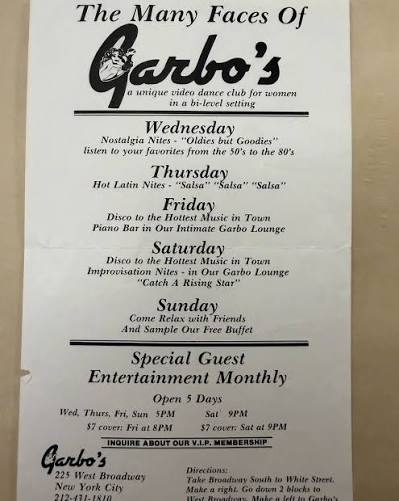
Valarie Walker: Garbo's. Okay. Yeah, went there. A friend of mine... I had already came out behaviorally. I wasn't sure if I was actually gay because I didn't know what that looked like in real life, and I didn't know a lot of gay people in New York in my real life.
But up at college, things happen happily. So going to the gay bar was a way to sort of situate being gay within myself, to, to see it in real time, in real... like, I could go out to a dyke bar. You know what I mean? I could meet lesbians.
So it, they were super important. And, and so the first time I went, I went with a friend who had come back early. We were gonna go back to school. And, uh, we stopped, and it was terrifying and all of the things. And then this rather butch woman came over to my friend, who was not at all butch-
Jack Gieseking: Yeah.
Valarie Walker: --And asked my friend for permission to dance with me. And my friend was like, "Yes." And I was like, "What are you doing?!"
It was the heights, the heights, you know, crazy, zany, oh my God. This is so awesome. So yeah. And then the Duchess also as well, but the, it had a backroom, uh, dance floor as well.
I think dyke bars had all the things. You know? They had, um, the drama. Will I? Will she? Will they? Like, it had all the romance. She's gonna. I can. Yippee. It also had, like, conversations to change your life, to change your mind, um, to change your behavior, you know? There was a sense of competition. Who was the butchest? What femme is really flanging?
It, it had everything that society... It also had community. It had people sitting side by side who only got together when they got to the lesbian bar, and they drank all night, and they talked shit that was not real, and they both knew it and went back to their stuff.
Like, it had everything. Why is it gone?
We need everything. We deserve everything.
Jack Gieseking: Yeah.
The Racialized Possibilities & Limits to a Dyke Bar*, So Far
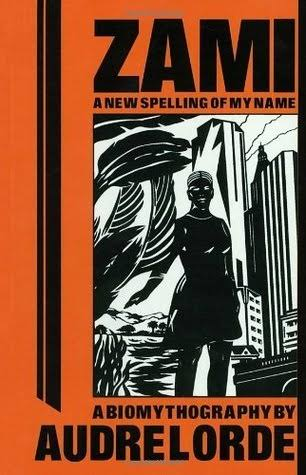
Jack Gieseking - Narrator: Valerie is so right. We do deserve everything. When I heard her say this, it was grounding, it was illuminating all at once, and it was also pushing me to think again about the work of Audre Lorde. In Lorde's seminal semi-fictionalized autobiography, which she calls a mythoautobiography, Zami, she offers profound insights into the world of 1950s, 1960s Greenwich Village, New York City queer bars, dyke bars especially, and this is a rare firsthand account.
We don't have a plethora of Black lesbians talking about the scene at the time. There's definitely Cheryl Clarke and others, but there is not a massive number. And a part of that reason is there were a limited amount of Black lesbians allowed in those spaces then, and they even kept separate from one another, as Lorde recalls, inside a bar as to not portray too much cliquiness. And this is a kind of vile performance wrought upon them. Which again reminds me of [00:06:00] Marlon Riggs's beautiful film Tongues Untied when one of the Black gay male narrators talks about not having too many Black gay people in a bar because the bar will, quote, "tilt."
At the same time, Lorde also offers us hope about what Latinx feminist theorist Gloria Anzaldua might refer to as crossing over. Crossing over is this idea of crossing over borders into areas that once were and creating new areas where we were once not welcome because of racial, sexual, gender, class, other sorts of differences, even creating new bodies, new ways of being.
Jack Gieseking: What you just said of Audre Lorde in Zami, "In the bars we met women with whom we would have no other contact had we not all been gay."
And I think there's, like, the possibility of racial, economic, social, cultural, geographic mixing. Hopefully. I don't know. I just, I was thinking-
Valarie Walker: No, I think it, I think that's, it's so powerful and it's so true. You know?
Like, because we're... Anybody can go to the gay bar. People traveling from out of town, people who saved up all month to go that one day.
Jack Gieseking: Yes.
Valarie Walker: You know? Yes. People who do it all the time. The locals, that's their chair. Don't sit in Frankie's chair. Yeah. You know what I mean? Like, I just made that up. I don't know who Frankie is, but- okay.
Jack Gieseking: Some Frankie somewhere in the-
Some Frankie ... somewhere in the, is like, "Yeah, you don't sit in my chair." Yeah.
Valarie Walker: Don't fuck with Frankie. Frankie gonna hurt you. Frankie. But we were all there together, and sometimes on the dance floor we'd... I know I danced with lots of people that I never would've reached, met if we hadn't been right there in that same spot.
Jack Gieseking: Yeah.
Valarie Walker: And I feel better for it.
Jack Gieseking: Oh, God. Yeah. I'd gone to Mount Holyoke, and I was so gay, and then I, like, "I think I'm gonna meet the people from Vassar."
And, and I, and I meet all these people from all over the world who have [00:08:00] such different life experiences. And what you said about representation is key, that, like, if we don't all show up together. And also it's a great organizing place, which is also something to worry about with it closing.
Jack Gieseking - Narrator: I think it's fair to say I don't talk too much about my bar experience yet, in part because I was a kid in the 1980s.
But what Valerie's talking about in the 1980s, I grew up seeing all sorts of magazine covers, newspaper coverage about the spread of HIV AIDS, wondering where this disease came from, would it ever end? And I've also seen and heard and experienced enough through consciousness raising and mutual recognition across difference.
I've been with people who put aside a multitude of differences for a common cause, but it's hard to hold onto that. It's hard to hold on to the antithesis of cancel culture because people will eventually feel left out. How do you really show up for everyone else?
Break the Chains with Love
Now, before Valerie talks about the protest march she recently organized, please also remember that 2019, 2020 is the moment of Black Lives Matter. There's an explosion of incredible protests and standing up to police after so many vicious murders, and social media was actually useful at the time for organizing people to get together.
And it was an entire different way of inhabiting the street, and there was a significant shift in the way we understand and operate around race and racism in this country for so many white people. Their eyes were truly opened. And as many Black friends have said to me, it was startling to see white people care.
Jack Gieseking: You recently organized a protest march, didn't you?
Valarie Walker: Well, it depends on what you call recently, but, um-
Jack Gieseking: A few years ago ...
Valarie Walker: yes, okay, a few years ago. So w- when Katherine was talking about the blessings and the positivity of social media, that definitely felt I absolutely would be a proponent of it. [00:10:00] Because I, I organized a march, um, on the outskirts of, um, lockdown, so we were in public a little-ish.
Most people were too terrified, and there were all these BLM protests going on. But the police were being merciless. They were kettling people. People were being arrested. People were coming back with one eye. It didn't matter if y- white people were coming back with one eye. Like, it was savage.
And so after George Floyd was murdered, I was super, like, uh, angry. Despite the fact of my incendiary mouth, anger is not my, like, zen feeling, and I was scared that I would, if I went outside, I wouldn't come home. Because I wasn't sure if, when I went outside, if somebody white was gonna accuse me of something and my incendiary mouth was just gonna get me shot by the police, or if I was just gonna beat up the first white person I saw.
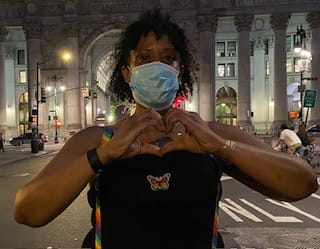
Like, I wasn't sure what was gonna happen once I got out onto the street, but I just knew I wasn't gonna make it back most likely, so I didn't go out for, like, two weeks, and that's not me.
And then a friend of mine told me, asked me a question, and the answer to me was love. And w- as soon as I said the word love, thought the word love, I realized it's
I don't know. It's like a cartoon sense of, like, p- like, tumblers aligning in a lock.
Jack Gieseking: Mm. Mm-hmm.
Valarie Walker: Click, click, click, click, click, click, click. Like, "Bitch, you have always had too much to, love to give." And take away you've always had much love to give, and this is the moment. This is, this is what it's for. So I said I'm gonna have a love march 'cause that's what we need thrown at the situation.
Like, if you love me, you may pause two more seconds than shoot me, and that might be the difference between me living and dying.
Jack Gieseking: Mm-hmm.
Valarie Walker: You know what I mean? So we gotta throw some love at this. So I h- organized a march on Facebook, on Instagram, um, asked some-
Jack Gieseking: And what was [00:12:00] it called?
Valarie Walker: Uh, Break The Chains with Love And 'cause that's really what we, it's not just, you know, my chains or the Black chains, but it's all the chains.
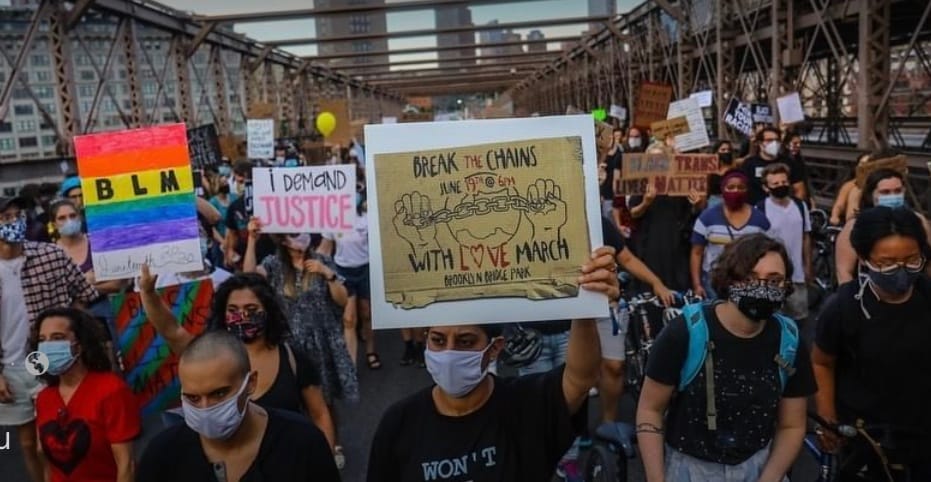
The chains of society. Like, how do we have true justice when at the time when the laws were established, we weren't considered human? You know what I mean? We gotta go back, back, back and reinvent, you know what I'm saying?
And how, if you love me, how can you be satisfied with a law that doesn't factor me, you know? Right. Or, or is complicit in my demise?
Jack Gieseking: Yeah. I wanted to say to Katherine, I want the progeny of Kate Delafield book where she, where she works from within to abolish the police.
Valarie Walker: Yeah.
Jack Gieseking: That is my dream. Like, that's, that's what's next.
Jack Gieseking - Narrator: In the last two 1980s episodes, the fabulous Katherine V. Forrest was talking about her Kate Delafield series in which our main character, Kate Delafield, is a dyke detective, the first lesbian detective.
I've gone back, I got hooked on these books, and you really do feel like you're in a 1980s dyke bar. In fact, the first murder is of a lesbian next to a dyke bar, and Kate Delafield has to deal with her own internalized homophobia going there and longing for this community that she doesn't know how to have because she's in the police.
Katherine also wrote about Kate Delafield's transphobia in dealing with her nephew coming into himself. I was really impressed and shocked that Katherine wrote about this so long ago, forcing TERFs to deal with themselves. As I know, and so many trans scholars and writers and thinkers know, there's only so much you can say and write at different points of your life as you come into yourself.
And I use the phrase come into when I talk about transness, non-binary-ness, gender non-conforming. The concept of coming into is this amazing idea from my friend, the sociologist Sunny Nordmarken, who writes that coming out doesn't really fit for trans people. It's more about coming into [00:14:00] yourself, coming into your body. I think it's also something that a lot of queer people would like to use, too.
To turn back to Valerie, I often wonder how we can tell the stories of how does someone become and stay a lifelong activist? How do we find the energy and even the confidence to be an activist, especially in a very different, even more surveilled ICE world?
How to Be an Activist
Here's Valerie talking about how she works. It's grounding, galvanizing all at once, and it also speaks so brilliantly about how you do anti-racist work in an anti-racist group that still includes racists.
Jack Gieseking: So how long have you been an activist then?
Valarie Walker: Oh, I was part of the Lesbian Avengers. And before that? I, um, was part of ACT UP with Sarah Schulman.
Like, it was the most resourced political group I had ever been a part of. Like, the actions we did were dynamic and making little, um, coffins and doing a die-in in front of City Hall. Like, it was very resourced. People came out and did things, and I thought... I knew when I was in college and I first heard about HIV that I saw in the newspaper shortly after that a prostitute was being, um, uh, gonna get a death sentence or something because she bit a cop, right?
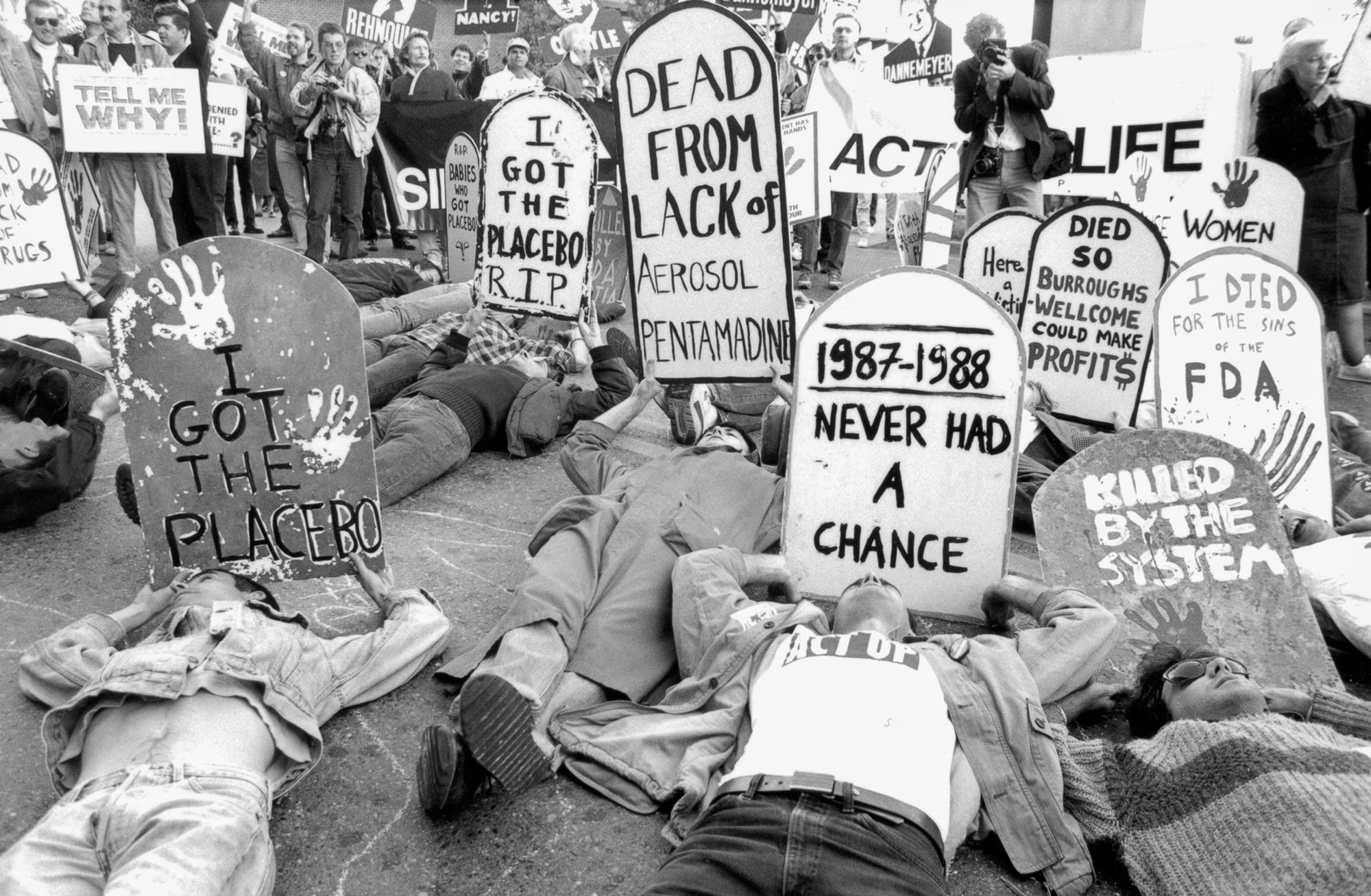
And she was HIV positive. She was HIV positive. So I was like the victimization or, like, how they are weaponizing actually, uh, this against people, I was like, "Okay, I know how it's... I know how you get it. You get it from unprotected sex, and you get it from intravenous drug use. Oh, my God." It just took, like, click, click, click, click, click.
My mama's gonna get it. Like, 'cause-
Jack Gieseking: My friends.
Valarie Walker: You know ... you know what I'm saying? Like- Yeah ... but, like, directly, my mama, she's having sex with people and not asking the right questions. Like, my friends who are, like, active are gonna be like, "Okay, so do you have herpes?" You know what I mean? Because we're [00:16:00] proactive.
Mm-hmm. But my mama doesn't have that sense. You know what I mean? Mm-hmm. Like, so I just immediately was like, "I'm in this to save the Black community. Th- what will harm the, the white community could decimate the Black community." Mm. You know what I mean? Under-resourced, under-informationed, limited behaviors-- you know what I'm saying?
Like, if we ain't fucking, where's the joy? 'Cause we can't afford the movies. Like, you know what I mean? Like, the entertainment, that is the entertainment.
So I just immediately was like, "Oh, my God," frightened for my people. So I went to ACT UP 'cause I thought, "I'm gonna learn from these white people," and not only that, not only am I gonna learn from these white people, I'ma work hard. I'ma work hard up in here, because then they're gonna turn around and help me--
Jack Gieseking: Mm ...
Valarie Walker: --save Black people." And it became so apparent that that transition was never gonna happen. I mean, it was racist. Mm-hmm. And I stood on the floor. Like, you had to go up on the f- in front of the auditorium to make requests and what-
Jack Gieseking: At the LGBT Center in New York City, yeah.
Valarie Walker: Yes. And I went up on that floor, and I cried. I cried. You know what I'm saying? Just let y'all feel me. I cried.
Jack Gieseking: Mm-hmm.
Valarie Walker: Because I couldn't hold it i- back anymore. I was like, "I believe so much. I believed your hype, and I hyped you up even further. And then- Yeah ... it is such a disappointment to come this far."
You know what I'm saying? I made, I made gay men fried chicken. I entertained them doing fucking standup, like, in they living rooms. Like, I did the do. Now I didn't marry one of them motherfuckers like some of them girls did, but whatever. You know what I'm saying?
Jack Gieseking: That I never heard, wow.
Valarie Walker: But, like, I listened to their stories so they know-
Jack Gieseking: Yeah.
Valarie Walker: --That somebody was taking it in. It would be a memory, and as long as you're remembered, you're still lasting. Like, I helped people come to terms with their shit. You know what I mean? And, like, it was nothing in terms of [00:18:00] reciprocity.
Jack Gieseking - Narrator: Now, this is a different story of ACT UP. For most of queer history, we really idealize this organization because it was brilliant.
About ACT UP
People are deeply inspired by the kind of, the radical guerrilla activism. And of course, if there's racism in the world, there's racism in our organizations, there's racism in our bars. But the so-called solution to cancel people has done nothing for LGBTQ movements or for any movement.
This reminds me that if you wonder how ACT UP was so awesome and did so many brilliant actions, I used to teach a course on the 1980s, and I'd ask my students, "Please tell me all the stereotypical gay and lesbian jobs you've ever heard."
Of course, my entire class was silent for at least a few minutes. They were utterly nervous they were gonna be homophobic, and eventually one would say, "Hairdresser, theater designer, florist." The list would get longer and longer, and I'd add in finance bros, straight acting as they are, and they would all nod along.
But the list for lesbian typical jobs was not something my students knew. So then I'd say, "Well, we're librarians. We run communications. We're CPAs. We run operations. We're attorneys. We're nonprofit executive directors."
And in these two lists up on the board, I'd said, "What happens if you put this group of people with this group of people? You get ACT UP. If you get the most flamboyant, fabulous, artistically genius people with the most organized motherfuckers of all time, yay, lanyard lesbians, then you have something special. We come into our full selves, we make something like ACT UP."
And I never want to overlook the fact that ACT UP happened, and it happened so beautifully and brilliantly, it came out of desperation. People were dying. HIV/AIDS was the largest galvanizing [00:20:00] event in LGBTQ organizing history.
One of my favorite ACT UP organizing events was actually organized by the women's group, which included Maxine Wolfe. Valerie knows all about this, too. There's actually this incredible recording of Maxine Wolfe sharing the history of this event on Queer Geographies.
But the short version of it is that all of these dykes say, "Well, we should go to where straight people are to do HIV/AIDS education." They're talking about where they could go, and the dykes are like, "Well, we should go to a baseball game. We should go to a Mets game." And all these gay guys didn't want to come out by the fact that they liked baseball because they wouldn't, they wouldn't, that like this was the thing that gay men were not out about yet.
And so finally a couple were like, "Well, I like, I like baseball. We'll go. Okay." So they wind up reserving these seats at Mets Stadium, and more and more people want to go. They're like, "Can I go? I want to go. I want to go with ACT UP." And this is real. This is actually real in history.
The very famous magazine Cosmo puts out an article telling straight women they don't need to ask men to wear a condom because they can't possibly get HIV/AIDS. So there's really this misinformation campaign that ACT UP is trying to end.
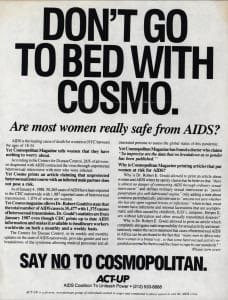
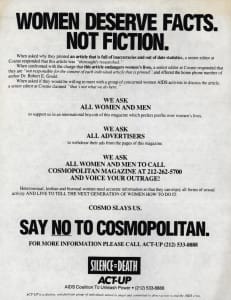
So they rent all these incredible seats in the bleachers at the very top, which some of the baseball fans were upset about. They come up with a slogan, "No glove, no love," and they hold up these huge banners that they unfurl in the middle of a Mets baseball game, and then they threw thousands of condoms all over the baseball stadium. How awesome is that?
I hear Valerie doing what Black feminist scholar Loretta Ross talks about, calling in, not calling out. My friend Chancie Calliham, who studies how the Far Right attacks repro justice movements, got to interview Ross. That's an incredible interview. I will share links to it on Queer Geographies. Instead of calling people out, of canceling them, you bring them in. You educate them.
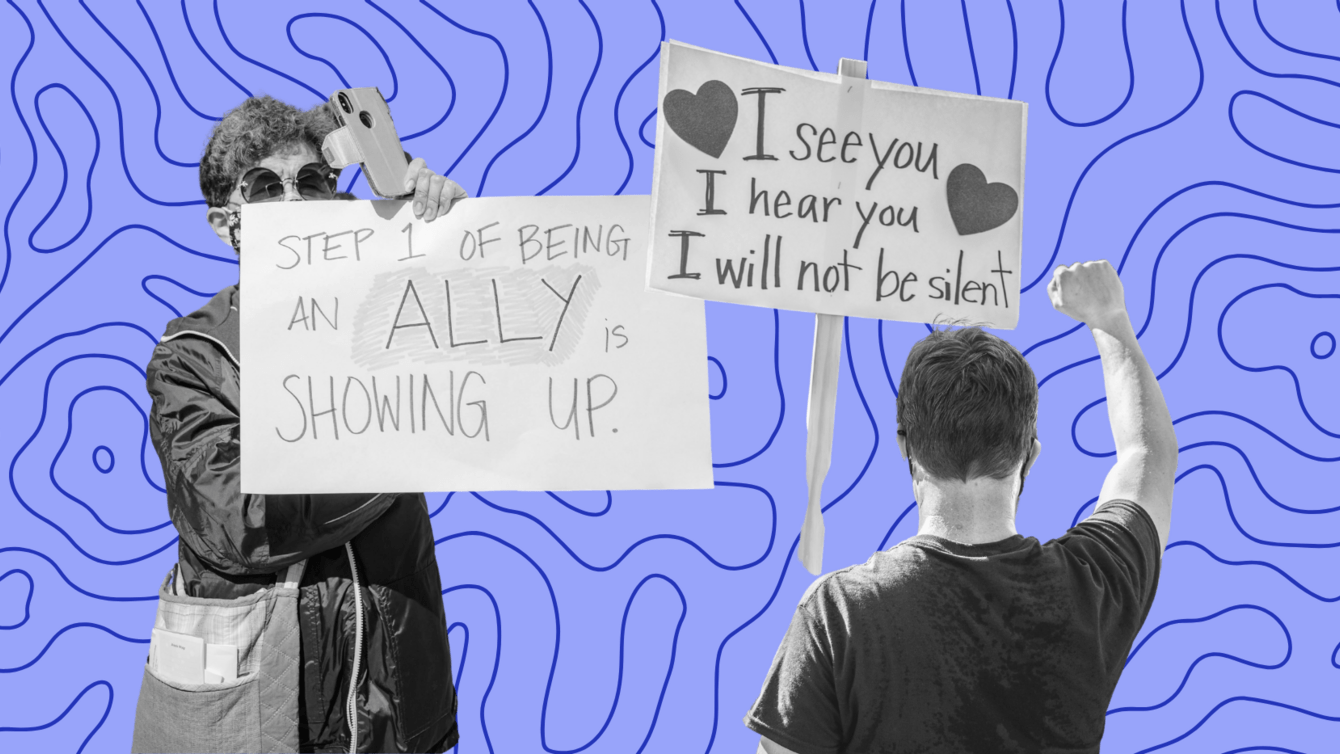
We have to accept we're complicated. Black Lives Matter changed so many of us. [00:22:00] What movements do we need to create to keep changing people? For example, like the Lesbian Avengers.
"Be the Bomb You Throw"
Jack Gieseking: Did you feel that in Lesbian Avengers?
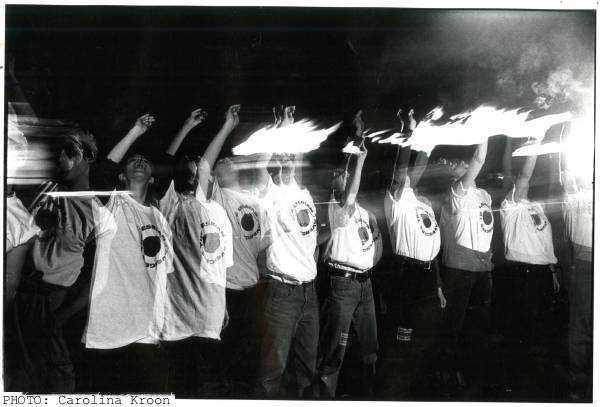
Jack Gieseking - Narrator: The, the vibe was different.
Valarie Walker: The political climate or the what I needed from it was different. Mm. The Lesbian Avengers, they were smart and they were incendiary, and I dug it. I dug it. I dug that like-
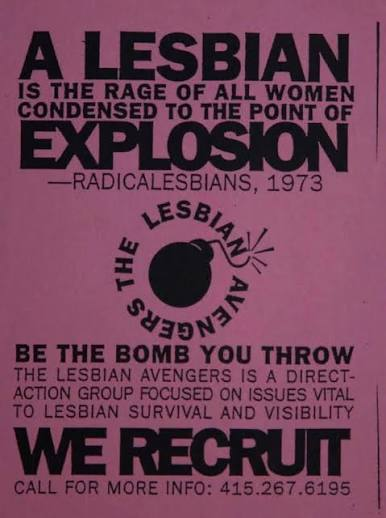
Jack Gieseking - Narrator: Be the bomb you throw. What a great, what a great tagline.
Valarie Walker: What? Hello.
Jack Gieseking - Narrator: We couldn't use it now, but back in 1992, be the bomb you throw.
Valarie Walker: Exactly. It, like, it was just, it was great and, like, anybody could come in with an idea, and if it was a good idea that caught fire with the other people, we was doing it. Like, there was no... There clearly was hierarchy. Clearly was hierarchy. However, it wasn't, like, super negative and, like, it inhibited you.
Jack Gieseking - Narrator: Yeah.
Valarie Walker: You know? It almost was like it felt safe that you weren't running the ship. You could be the idea person. You know, you could dream big because you didn't have to worry about being the treasurer or the secretary or da da da da. Like-
Jack Gieseking - Narrator: Right ...
Valarie Walker: --Other people were doing their job, and they were doing it well, and you felt taken care of.
It was really a wonderful sp- Plus, they so fly.
The Diner Story
Jack Gieseking: Would you mind sharing the diner story?
Valarie Walker: Like-
Jack Gieseking: The Les- Lesbian Avenger action.
Valarie Walker: Oh, yeah. Oh, my diner? Oh my God. Yeah. So I had a girlfriend and we went to, um, a diner for breakfast in Brooklyn Heights, and we were sitting opposite each other. And then at the end of the...
W- We were done eating, I moved over to her side of the booth so I was sitting next to her, and then we kissed- Okay ... relatively chaste. Relatively chaste. There was no tongue. It was just, like, a quick little, you know, boo, boo, boo.
And then we were [00:24:00] told, somebody came over and told us that we were, needed to leave, and I was like I thought it was something about the table, like they wanted to use the table 'cause it was a, you know, they did a brisk business.
But they were like, "No, no, no, you need to leave." I was like, "That's so dumb. You want us to leave 'cause we ain't even paid yet." And they're like, "Oh, no, no, no, you need to pay and then you need to leave." I was like, "No. That will not be happening. So you want us to leave? Bite me."
So we left, and-- that's what being part of the Lesbian Avengers and ACT UP did to me, okay? Because as I left, I was not, I was not gonna just take it. I was in a position to not only not take it, but to make a fuss.
Jack Gieseking: Yeah.
Valarie Walker: 'Cause I understood that if you mess with somebody's economy, you've really let them know how you feel.
Mm. You've made them see you. So within a hour of... We had something called the phone tree, 'cause we didn't have cell phones. We had the list of people to call, and then that person would call the next one, and da, da, da. We mobilized a phone tree. It was a dynamic action. So we had people doing a live picket a- with, with signs like, uh, "Love is love" and things like that.
We- the Dyke TV came and did an on-camera interview. Uh, we even had people walking up and down the street with a little, like, um, uh, little flyer and giving out Hershey's Kisses to people walking in the neighborhood. I love it.
You too can enjoy "Dyke TV Volume 1: Best of Fall '93" -- also see most of the 1993 season c/o the Sophia Smith Collection at Smith College here.
And then we had mixed men, all genders, as part of an internal action, inside. We planted, like, I wanna say five couples of different iterations, and they stood up at an appoint- appointed time and said, "You must remember this. A kiss is just a kiss," and they all started kissing.
Jack Gieseking: That's so awesome!
Valarie Walker: It was so [00:26:00] thorough. I was like, "Look at us!" It was very cute, and they apologized.
Jack Gieseking: I think people are like, "Oh, social media," but, like, having a group of people that you call and they always show up for you, and they're so smart and clever, and they bring their Hershey Kisses, and they'll call the next person.
That, that's, that's what we all need.
Valarie Walker:
Right, and you need the, the bar because you can't do that all the time. That can't be the way you relate to each other. You know what I mean? Some- for some people, they did the action because of the bar afterwards. Yeah. Do you see what I'm saying? Yeah. Because they knew they were gonna be able to kick it back and whatever and da, da, da.
Jack Gieseking: And hook up.
Valarie Walker:
Yeah. You know what I mean? The bar scene is its own movement.
Jack Gieseking - Narrator: Wow. To have such backup, innovation, and organization that people just show up for you. The bar scene is its own movement. Valerie is right. And the bar scene extends to the coffee shop, to the diner, where we make and claim space.
Now, as for the Lesbian Avengers, they were an incredible group that was founded in 1992. We would not be inclined to create this slogan today, but their tagline was, "Be the bomb you throw."
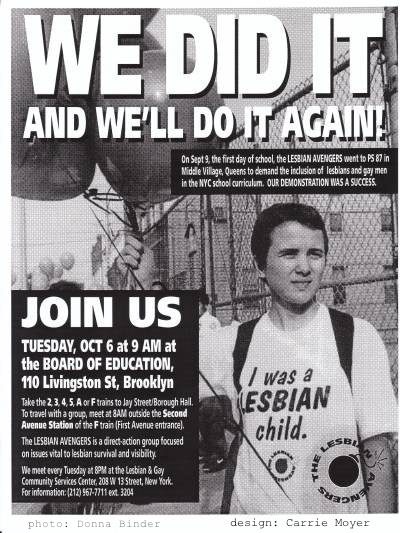
They performed genius activist organizing. For example, their first activist zap- That's what they would call them, zaps, was to show up at this school in a very kind of bougie neighborhood in Queens with an entire marching band. It was a, a children's, like a, like a grade school. And this school was protesting having any kind of pro-LGBTQ books. The book especially then was Heather Has Two Mommies in the US, included in their curriculum. So all these dykes, very dykey looking by the way, show up first of all with a brass band, so the kids are like, "Woo-hoo, brass band, yeah."
And school is just starting, and they also show up with dozens and [00:28:00] dozens of purple balloons, and the balloons say, "Ask me what a lesbian is," and they're giving them out to the kids. Is that not adorable? I think it's so genius.
But before Valerie ever got into the Lesbian Avengers, she was totally hanging out in lesbian bars, and she was that amazing person who would always be the first to dance and hold the dance floor all night long, quite like my 11-year-old. I'm so proud of them for that.
The audio is fuzzy coming up, so I just asked her about the bar Tracks, and then you're gonna hear her talk about all the bars that she went to. When Valerie went to her first bar when I originally interviewed her, she said she walked in with another college dyke friend from Vassar.
They had taken the train down from Poughkeepsie into New York City into Greenwich Village, and they walk into The Duchess, and her friend was really, really nervous, and Valerie turned to her and was like, "Be cool. Be cool." And I just love that because we've all said it.
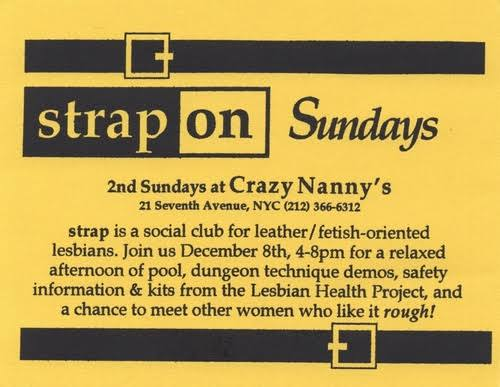
Valarie Walker: So every, I wanna say in every bar, let me... now I don't wanna lie. But not The Duchess, not, um, The Clit Club– right ... Henrietta's. Cubbyhole doesn't really have dancing. Nanny's. Okay, so those three... key bars. These three places all gave me either free cover in and drinks, uh, or paid me a nominal fee, free and drinks, to dance.
Jack Gieseking: Hmm.
Valarie Walker: Because I love... I just dan- I'm a crackhead about dance. I don't give a fuck. From the door, no drink required necessary, drop the beat.
Jack Gieseking: You start the party. You are the party.
Valarie Walker: ... And so they paid me because j- you know, my, that's my joy, and people would be like, "Dance," you know, wanna come up and dance, and whatever, whatever. And they're like, "Oh, yeah, we..." When they dance, they drink more.
Jack Gieseking: Mm-hmm.
Valarie Walker: Yeah. Right? You're losing your water. You're breathless. You need to take a break. Get some, be social. Yeah, we do that thing. You get a drink. [00:30:00] So, but it was just, it was such a space for me that it was undeniable to the f- the joy that those places brought to me, it was undeniable.
Even when I moved to California, there was a, a bar I would go to every Friday, but you had to call a number if you wanted to get in free. They had a woman's night. If you, you had to call a number to get it. Sometimes the number was, uh, busy, and you couldn't get it to get in free.
I was dancing there so hard, breaking glass shit every week. They were like... This little old man came over to me, and I was like, "If you don't move your little old manness away from me." Yeah. And he like, "No, no, no, I wanna give you this," and he gave me this card, and it was like, "You get in free," blah, blah, blah, blah, blah. And I was like- love it!
Jack Gieseking: Oh my gosh.
Valarie Walker:
I love y'all. And when you happy, 'cause joy is a connector!
Jack Gieseking - Narrator: Valerie Walker, you minx.
Joy as a connector, queer joy as a connector, being the person who dances, being the person who brings us together. We expect a bar to work for us. We show up, there are events planned every night. Bar owners, bar staff, managers, they work so hard to keep us coming back. We expect them to make us happy, but we have to do the work of the connecting.
COVID made us all so weird, y'all. I know you can agree, and it's really awkward and hard to learn to actually talk again. I remember when I was in New York City in the 2000s, they launched this thing called online dating, and OkCupid started having all these gender and sexual identities, and queer people were like, "Wow, I sort of feel seen," because we're desperate.
Anyway, I got so used to online dating, and in 2010 I got to move to Berlin for two years, the one in Germany. And I get there and I ask my dyke friends, "Okay, what app are you using?" And they're like, "You Americans are so weird. We talk to one another." I know I can't do a German accent.
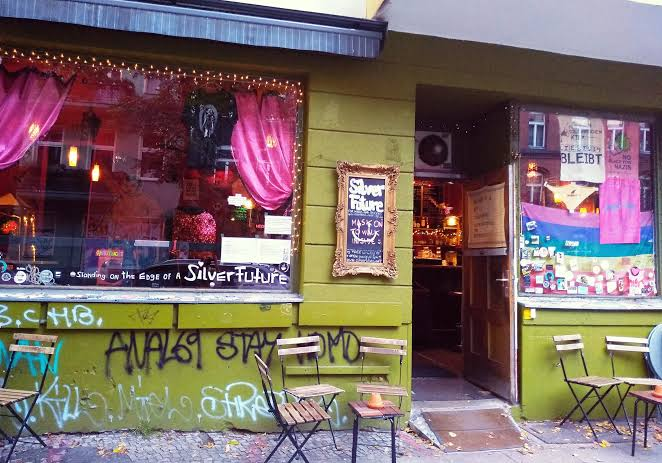
But the thing was I actually had to learn again how to go into a bar and talk to people. It felt like [00:32:00] molasses in my mouth. I cannot tell you how horribly awkward it was, and I used to do it. In the early 2000s and the '90s I would go up and approach people I didn't know and have a chat, but that's actually what we literally have to learn how to do. And people my age, in their 40s, find that really awkward.
Jack Gieseking: But it is a communal process so that we can find each other and find that joy.
Valarie Walker: That's the other thing. So many dykes have gone into bars with a book.
Jack Gieseking: Oh God, yeah. Well, it's the dream of my g- my girlfriend's waving from the living room. Well, I would only do that on a Monday night. Like, I thought all the other nerds would be there, 'cause I love going, I'm the only person who lo- I just love Monday nights when I-
Valarie Walker: I know people on a Friday would bring a book because they-
Jack Gieseking: Yeah, I wouldn't do that 'cause where are you gonna, you gonna go to sit? You can't hear anything. How can you read?
Valarie Walker: But that's an older thing.
Jack Gieseking: Oh, I was ... I thought you were, like, flagging your, you know, your Jane Austen or your Rita Mae Brown. Oh, yeah. I'm a nerd too. Like, that's great.
Valarie Walker: For me, no. I'm, I mean, what I mean is that the thought to me of taking a book to a bar is absurd.
Jack Gieseking: Wait, so do you, have you ever read Finn Enke's Finding the Movement about Detroit, Minneapolis-
Valarie Walker: Mm-hmm.
Jack Gieseking: It's about the '70s. They really get into the racialization of these spaces. There's a whole beautiful chapter on softball. Is there softball? There's always softball.
And, and, and there's a whole beautiful chapter about bars and parties, and Finn, they talk about Black lesbian parties because white lesbians are not letting them into bars. There's a Black woman they interviewed who said, "Oh, the bars are gonna integrate," and they made this huge move towards reconciliation. We're gonna go to the bar, and they said, "It was the worst music we ever heard. It was the worst white lady acoustic folk, and we turned around and left. Like, we can't dance."
Valarie Walker: Right.
Jack Gieseking: And, and, and that is something that when you read Kemi Adeyemi and Nikki Lane, who I'm gonna do a whole Black queer women spaces.
It's so much about dancing and movement, but Kemi's entire book is about three queer, Black queer women's parties in, [00:34:00] in, in Chicago, and about how the music shapes the space and creates a different ethos and creates a different audience. There are DJs, sure, but unless somebody is a DJ, like Katherine Griffiths was on-
Valarie Walker: Right.
Jack Gieseking: --To talk about the 1990s in London, who's running lesbian clubs and talking about, like, the influence of all different kinds of music going on. Unless you're that person, I just don't hear white people talk or think like that. Right. And they don't like prioritize dancing. What was the quote in my book? The lesbian stand around. The NYU party in the 80s was, they called it the lesbian stand around .
Jack Gieseking - Narrator: Valerie points out to us the role and import of dancing in dyke bar scenes. I think that's really obvious in Black queer women scenes. Kemi Adeyemi wrote an entire book about it called Feels Right. Dancing, when you go back through lez-bi-queer-trans spaces, the history of them, it is central in the 20s, the 30s, the 40s, the 50s, the 60s, the 70s.
And there's something in the 80s where there's totally dancing. There's just like this determination to live. But then in the 90s, like when we talked to Lucas Hilderbrand a couple episodes back, he's talking about the creation of these super parties in San Francisco. There's something in this moment in the 90s as lesbian bars start to close too, that dancing as a norm starts to fade. It becomes more of a hangout of the bars that are left. I wonder what it would mean to bring dancing back front and center.
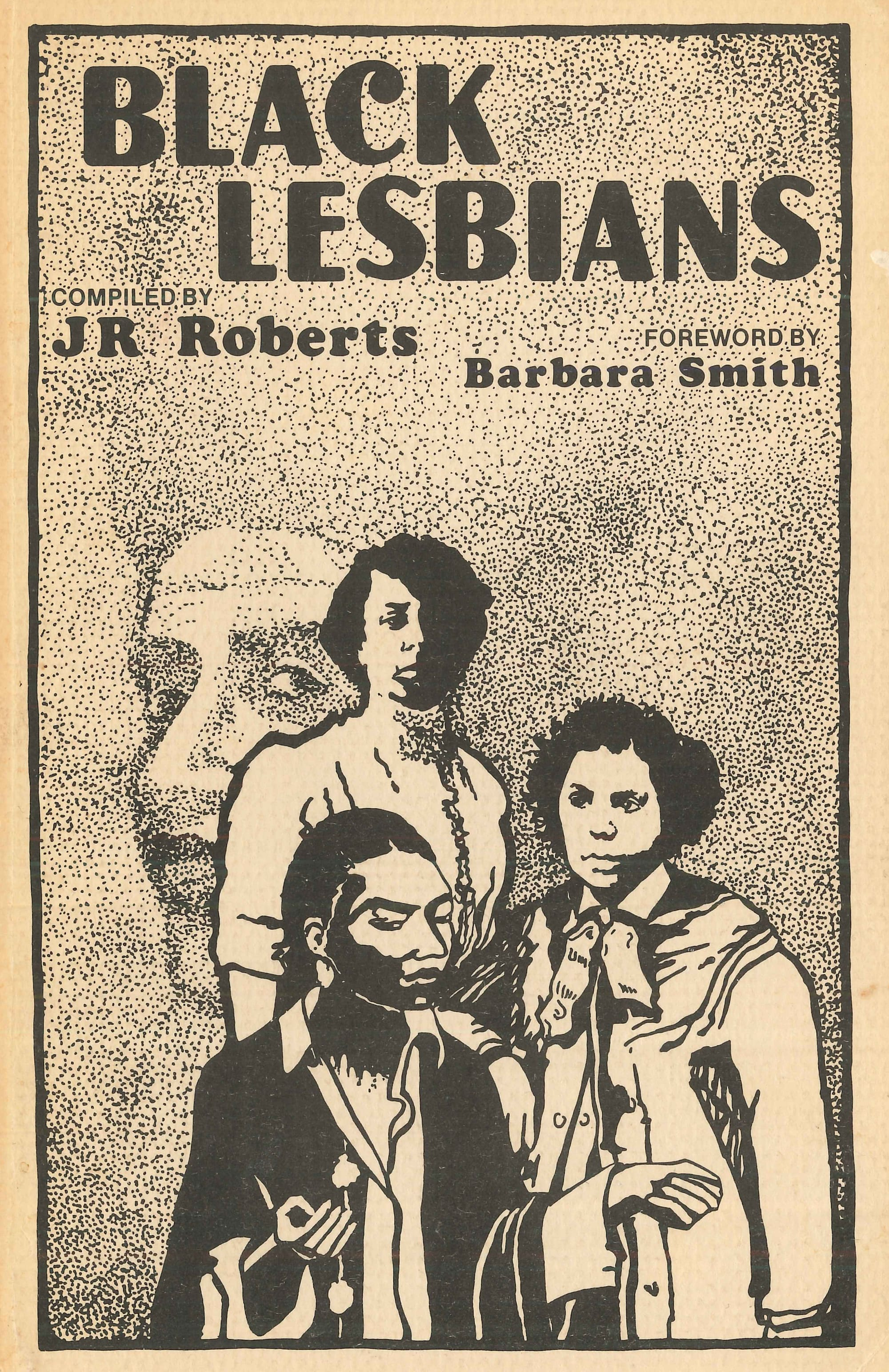
Coming up, we're gonna talk about information activism and indices. You're like, "Why, Jack? What's with an index?" Anyway, my friend Cait McKinney wrote this dope book called Information Activism that's about the 1970s when lesbians organized and created the first databases and indices, meaning like an index, like an organized roll call of all the good information about ourselves. Including the fantastic, brilliant Black feminist Barbara Smith, who co-created the Kitchen Table Press, was a huge part of this bridge called My Back and the Combahee [00:36:00] River Collective and other amazing organizing, and she wrote the foreword to the Black Lesbian Index.
Valarie Walker: But back, back to the book thing, like, to me, I couldn't think of why would I bring a book to a bar?
But that's how compelling being at the bar was. Mm. It didn't matter how far your disconnect was. Like, you're clearly not socially comfortable. You know, you're bringing this book to help ID the thing for you. But you wanna be there more than your awkwardly, or that you give a fuck about your awkwardly antisocial game.
Jack Gieseking: Like- Yes ...
Valarie Walker: do you know what I'm saying? Like, that's what it's for.
Jack Gieseking: Yes. And, and, um, this reminds me of, of my friend Cait McKinney who wrote a great book that you would love about how lesbians-
Valarie Walker: You have to, you have to send me an email with all these book titles
Jack Gieseking: Oh, this is how... i'm gonna make reading lists that go with all this. But Cait's book is about how lesbians created databases about themselves, or indices in the first... Like, having the first Black lesbian indice of, of index of what you could read that was about you. What it was like to have materials. So, like, lesbians actually creating information-
Valarie Walker: That exists?!
Jack Gieseking: Yeah, that exists from the 70s, yeah
Valarie Walker: I'ma get that shit!
Jack Gieseking: I'll, I'll, yeah, yeah, yeah, we'll find it. And I will totally send it to you. But, and then Cait was writing, uh, we were talking and I said, "I should have you on the pod." And they're like, "Jack, I study the people who don't go out." And I'm like, "I wanna talk about that."
Valarie Walker: Yeah.
Jack Gieseking: That's the person who's like, "I'm gonna take my book to the bar." Like trying to be really nerdy. And it's funny because we came full circle of like what I think make dyke bars a dyke bars is information sharing.
Valarie Walker: Ah.
Jack Gieseking: Like whether it's hair or the flyers or yeah. Yeah, yeah. Right. Sharing-
Valarie Walker: Right. You could go to a, a dyke bar with a book and come home with a chiropractic reference or-
Jack Gieseking: Yes. Yes. Yes.
Valarie Walker: You know what I'm saying? Like we, it's, it's-
Jack Gieseking: And you have become me, my favorite person to talk to ever. Oh my goodness. Valerie, you bring out the best in me. I love talking to you. Aw. I am totally myself. Should I come say hi? Oh my God, meet my Rachel. Yes. Oh my God, yes. Turn the video on. Meet my Rachel.
Valarie Walker: Hi. Hi. [00:38:00] Hi, Rachel. You're very cute.
Rachel Fagen: Thank you.
Valarie Walker: You were making a face like you were, guys were doing your technical thing, and you were like, making like a little grimace at the screen. It was quite, I was like hi.
Jack Gieseking: Hi.
Valarie Walker: Yeah.
Hi. I actually might be coming to Boston at some point. I'm, I'm supposed to be visiting this, um, young person that adopted me as their auntie.
Jack Gieseking: Yay.
Okay. I got, and did you ever look at my book that I wrote, What You Said? Did you look at all the quotes from Wanda?
Valarie Walker: Child, I can't! I can't have myself quoted back to me.
Jack Gieseking: Oh my God, you're, at the end of the, the end of the preface, there's this great quote where, um, remember that white butch who worked for the electric company?
Was just- Okay. ... you were, they were saying, you know, "Well, you know, I moved to New York and, um, there wa- you know, I just, you know," and there was a long pause, and you said, "What's her name? Like what brought you here?" Was like the best way to start a book about New York. What was her name? Mine was Amanda. Yeah, totally.
!["While what a “lesbian thing to do” is wrought with the fragmented, fleeting, and networked qualities of lesbian- queer geographies, there is more that brings this group together than keeps it apart. During a group interview of participants who came out in the 1980s, Jackie turned to Gloria and asked her, “So what was it that brought you to New York? Did you have friends here?” Wanda smiled and added, “Tell us the truth! [turns to Gloria, leans in close] What was her name?” All of the partici- pants laughed and I did too. Against all odds, I hope A Queer New York reminds us that desire, connection, and justice will and must always emerge in our constellations."](https://storage.ghost.io/c/05/2c/052c4a73-fcd7-487a-b33b-00d0bde941b4/content/images/2026/08/Screenshot-2026-08-24-at-7.04.26---AM.png)
What brought you to New Y- Who, who was she? It was the best.
Valarie Walker: Yes! Um, thank you, thank you, thank you I love you I have to go. And please, please, please, let's do a thing!
Jack Gieseking: You should brace 'cause you might become everybody's auntie after this episode
Valarie Walker: Auntie is open for business, okay? The only thing I, the only thing that auntie asks is that you try.
That's the only thing. Please don't come here to auntie with a refusal, okay?
Jack Gieseking: Yes!
Valarie Walker:
'Cause I'm only about building. So anything you got, let's magnify it, let's radiate it, let's send it out. And we can't do that from a place of no. So I'm Auntie Yes.
Jack Gieseking: I, I love that, and I feel like every conversation I've had with you ever, I've watched you, like, take things in and then be like, "How can I grow from this?
Oh, I'm gonna, I'm gonna do... Oh, I should use language this way or something." That's a good way to live. [00:40:00]
Thank you, Valerie. Thank you, Auntie Valerie.
Valarie Walker: I mean, yay!
Jack Gieseking: Bye, doll. Have a good night. My love to you and New York. Bye.
What the 1980s Gave & Give Us Still
Jack Gieseking - Narrator: Yes. Thank you, Auntie Valerie. Thank you 1980s. Thank you Clit Club. Thank you Duchess. Thank you Pyramid. Thank you On Our Backs. Thank you Barnard Sex Conference. Thank you AIDS activists. Thank you AIDS caregivers. Thank you Black voguers at the Christopher Street Piers, and I am still so angry that Madonna stole your work, and yet I am grateful we all got to learn it. Thank you ball culture for never giving up.
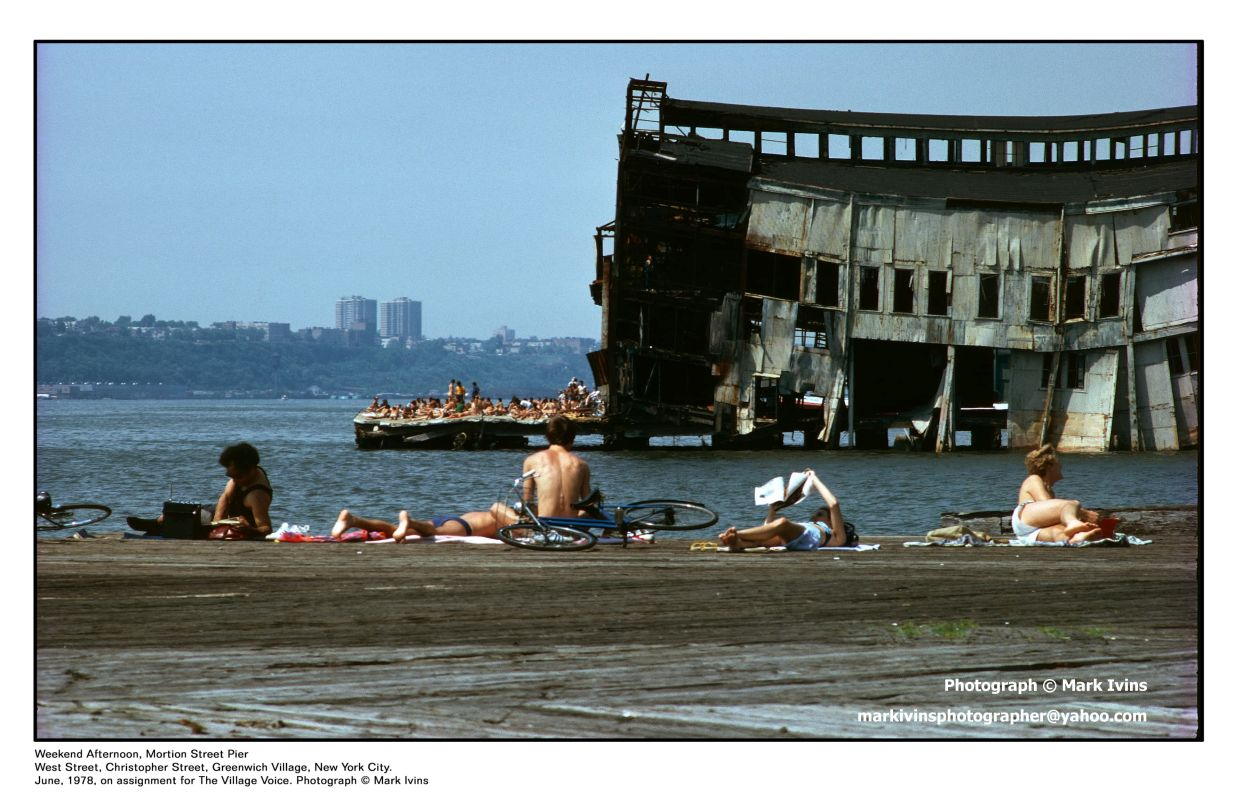
Thank you. Thank you ACT UP. Thank you lesbian avengers to come in the 90s. Thank you Live Aid and oh my God, Freddie Mercury at Live Aid. You have to see this.
Thank you to the shows Dallas and Dynasty, which are the precursors to RuPaul's Drag Race if you'd ever like to go back in time.
Thank you Barbara Smith. Thank you Audre Lorde. Thank you Gayle Rubin. Thank you Amber Hollibaugh. Thank you Dorothy Allison. Thank you Christos. Thank you Caroll Smith-Rosenberg. Thank you early queer lesbian feminist theorists. You are the shit. Thank you.
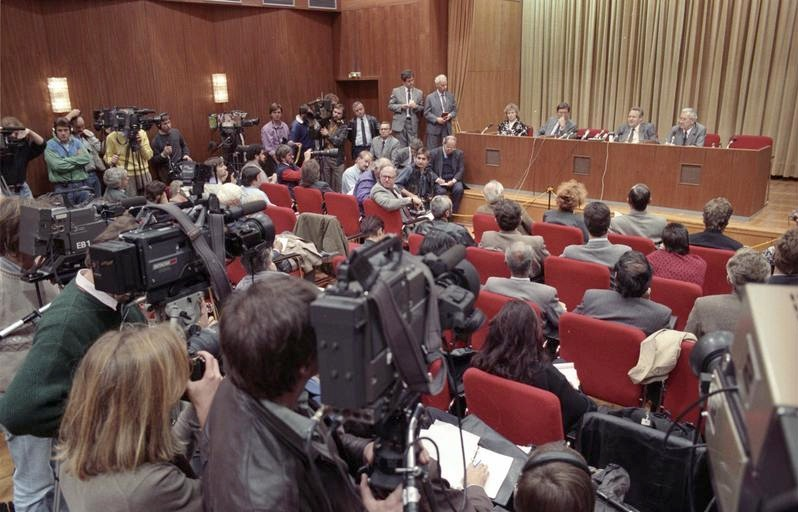
And thank you in the direction of some folks from East Germany.
This sounds wild, I know, but I want to start with Günter Schabowski. Günter Schabowski was another East German political representative who happened to be interviewed the night that East Germany declared that it was gonna dissolve as a country. Now, no one had a plan for that. No one knew what to do. How do you dissolve a country?
Do, do, do. I don't know. You know? Me either. Guess we'll figure it out.
But while on air, the newscaster said, "Will this mean people can now leave East Germany?" And Günter Schabowski said, "I guess so." And so people left and started immediately ripping down the Berlin Wall, which is awesome.
And what's incredible is not that many queers were ripping down the Berlin Wall immediately, because at the exact moment that Günter Schabowski said this, as many queers as possible [00:42:00] were watching the first East German gay movie called Coming Out.
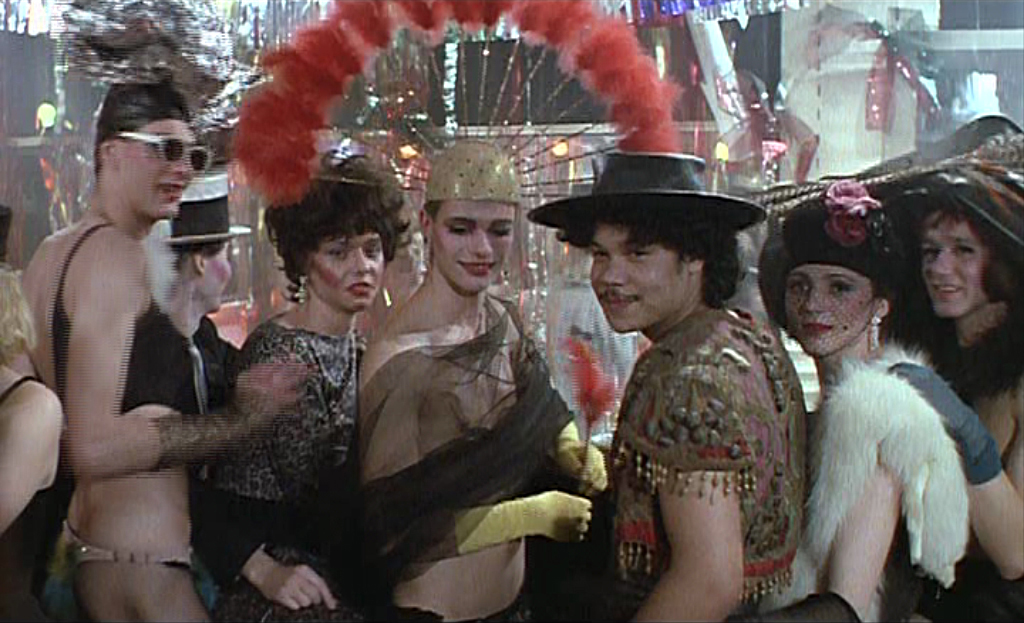
And people came in and screamed at the theaters, "Oh my God, the Wall's going down." And they did not move. They weren't gonna miss this movie for anything.
One more East German thank you, and this is a rare time that I'll thank them. Thank you to the Catholic priests of East Germany, because do you know where we had gay bars in East Germany? In the basements of churches where Catholic priests hid us. It's absolutely true. I got to interview some amazing 1980s German dykes when I lived there.
And last but the opposite of least, thank you to all of those people we lost to HIV/AIDS. I miss you. I never got to know you. So many of us miss you, a whole generation of you.
Thank you for being yourselves. Thank you to these stories, and thank you again.
Long live the 1980s, all the best parts and the hard parts we've learned from too.
Conclusion and Credits
Jack Gieseking - Narrator: Thanks for tuning in to Our Dyke Histories in collaboration with Sinister Wisdom. Do share Our Dyke Histories with your friends, colleagues, fellow students, exes, crushes, or heck, use it as a pickup line when you don't know what to say in a bar.
Good luck to you, brother, sister, and themster. You can easily connect with us on Instagram or Facebook at ourdykehistories, and come and follow me, Jack Gieseking, via my newsletter, Queer Geographies at queergeographies.com, which is packed with all the images that accompany the transcripts from all of our episodes and many more tales of dyke bars, queer parties, trans hangouts, as well as a myriad of other queer spaces and queries like, "Do dykes cruise?"
I have data. Never stop loving on all things Sinister Wisdom. At sinisterwisdom.org, you can subscribe, buy their books, or make a donation. Now on to our credits. We are a small but mighty team. Our Dyke Histories is recorded, edited, and produced by Jack Gieseking, and co-edited and co-produced by Cade Waldo.
Our social media is designed and managed by Audrey Wilkinson. [00:44:00] Our theme song, Like Honey, was graciously gifted to us from Kit Orion at kitorion.com. Interns for the show include Becca Moses and Sophie McLean, with additional input from Rachel Fagan. We're forever grateful to our co-producer, Julie Enzser, and the entire team at Sinister Wisdom, publishing since 1976.
Sinister Wisdom recognizes the power of language to reflect diverse, multicultural lesbian experiences and to enhance our ability to develop critical judgment. As lesbians evaluating our community and our world, we share our dyke histories so we know more about who we are, how we were, and what we fight to never forget.
Lez keep doing it, y'all.