Noise Complaints, a.k.a. How to Kill the Lesbian Bar
Noise complaints are a hundred-year+ tactic for closing and policing lesbian, gay, and lgbtq bars and parties.

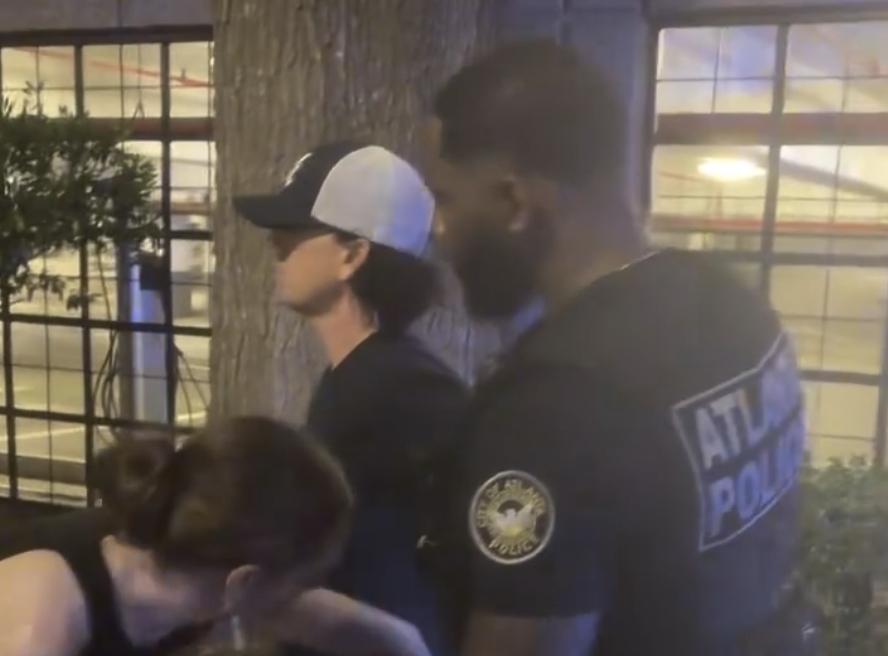
Just over a week ago, Atlanta police received a noise complaint about My Sister's Room around 1 a.m. Co-owner Jen Maguire states that they did not go over the noise limit. She also refused to show ID, which was a very reasonable act, and she was arrested. For this year's Pride, my dyke bar Ginger's Bar in Brooklyn, my favorite haunt in my NYC days, was forced to shutter the "majority" of their Pride month events due to "ongoing noise complaints from neighbors." These incredibly popular events sustain the bar in the times when folks come out less. Ginger's is the last lesbian bar in the ever-gentrifying, bougie neighborhood of Park Slope. The neighborhood that was only NYC neighborhood ever dubbed a lesbian neighborhood. It was even affectionately known as Dyke Slope.
This isn't a new phenomenon. Noise complaints have been a hundred-year tactic for closing and policing BIPOC bars and parties. Since marginalized spaces have less funds, more policing, and and less power to claim space, a noise complaint can tank them.
We need to also recognize that noise complaints are a hundred-year+ tactic for closing and policing lesbian, gay, and lgbtq bars and parties.
"Noise complaints" in general have long enraged me. In my decades of research into lezbiqueertrans spaces, I've recorded 100+ reasons that lesbian and lgbtq bars have closed, as well as the reasons for many queer parties and gay men's bar closing. Most of them seem obvious, like the rent was too high or dykes boycotted the racist owner. I've found few reasons surprise me, aside from arson and firebombing. While violence the likes of arson and firebombing is harrowing, its the persistent "noise complaint" that is the banal, anti-queer, and anti-trans tactic of moving out the homotranssexuals.
We can see this tactic used against queer parties in the 1920s. In Lesbian Love Story, Amelia Possanza writes about the Black queer blues singer Gertrude "Ma" Rainey was arrested as a result of a noise complaint:
Arrival at another queer woman’s comfortable apartment wasn’t a guarantee of safety, either. In 1925, Ma Rainey, that bisexual blues singer ...[hosted] a party. The neighbors overheard the ruckus—the music, the laughter—and filed a noise complaint. When the police arrived, they discovered Ma and her chorus girls fleeing out the back door, struggling to get their clothes on. The girls escaped, but Ma fell on the stairs. The police arrested her for hosting an indecent party and threw her in jail. For those in the life, even the boundaries of the domestic sphere weren’t a shield from police violence.
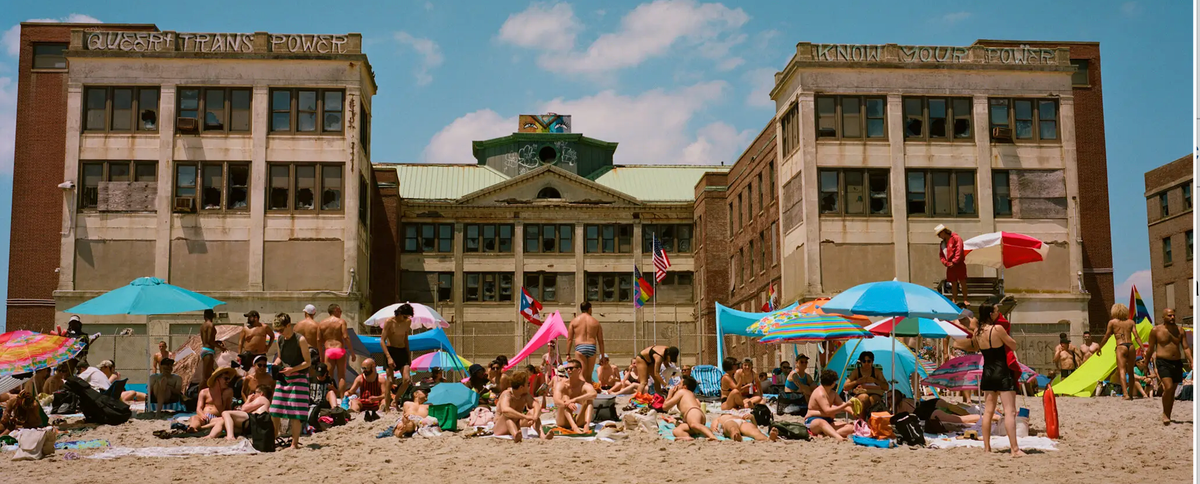
In 1979, while noise complaints against queer Riis Beach goers didn't close the beach, Jah Sayers found they were linked to anti-nudity and other kinds of formal so-called citizen complaints that target more policing on queer spaces. What is now known as The People's Riis Beach has been a somewhat-isolated haven, at the very end of a barrier island that allowed lgbtq+ people space for cruising, community, and cool breezes since at least the 1940s. Still, police have long frequented the area, as Joan Nestle wrote in "Restriction and Reclamation." Today it remains an actually multiracial, multigender, multisexual space. Now Riis is constantly under threat by property developers in recent years – and been met with massive queer activism.
In 2012 the last lesbian bar in New Orleans had to close. Vigdis Hermannsdótter described how the Rubyfruit Jungle was targeted.
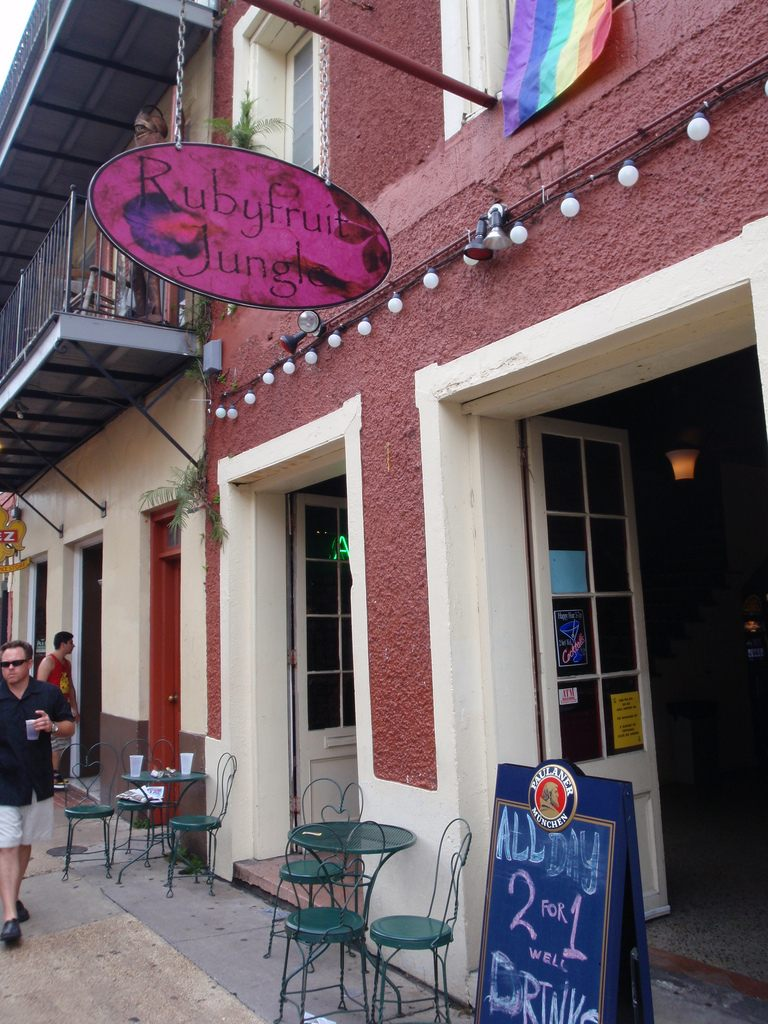
In Vigdis's research, long-time resident dyke Susan shared:
Rubyfruit Jungle was the last one, they were really under attack. The restaurant that’s there now is owned by two gay guys. Before, they were a block over on Royal and they couldn’t get a liquor license there, and they really wanted that corner, they wanted to expand. So, they started filing noise complaints and garbage complaints, and they organized with some of the property owning neighbors right around Washington Square and basically got Rubyfruit Jungle kicked out, then took over the lease.
In 1993, local residents targeted Greenwich Village NYC's Pandora's Box, primarily Black and Latinx lesbian bar. The bar closed shortly after being forced to pay $23,000 in fines, or nearly $54,000 today. In 2013, Montreal's Diving Bell Social Club shut down after numerous noise complaints. In 1970 in Vancouver, "Using the pretext of a noise complaint, they would force everyone to show identification documents and then shut down the gathering." In 2025, Champs queer sports bar of Montreal was targeted with noise complaints for three years, even after they invested in noise-cancelling insulation.
The take away: noise complaints are used to silence, move out, and police BIPOC, queer, and trans people.
The fabulous geographer Leslie Kern writes noise may seem to be about noise, but "those complaints [can] target...particular kinds of music, establishments, events, and groups of people—but not others, who may be making just as much noise but in different forms." While seeing this pattern in closing Black and brown spaces, Leslie writes, "whiteness as cultural power is working to redefine what, and who, is acceptable in the neighbourhood." She's right. "Noise complaints" are a tool of cis-heteropatriarchy too.