Reading Guide 1940s-1960s: Dyke Bar* History as Told by Beebo, Lily, Audre, Leslie, Alix, & Mona
How do we even begin to tell the lezbiqueertrans history of the 1940s-1960s? With "gender impersonators," especially!

While the 1920s and early 1930s (reading guide posts here) were all about queer women slipping in and out of smoky speakeasies and tea rooms with monocles and bad gin, that radically shifted by the mid-20th century. Sure there was a similar pause of uber gayness thanks to don't-ask-don't-tell-esque policies during World War II. But, alas, the majority of the mid-'30s through 1960s turned the volume way up on danger, desire, and dyke ingenuity.
World War II was hell or possibly heaven, depending on – would you believe it? – geography! And how much you could psychologically, socially, and physically hide your queerness and/or transness. Ugh. On the one hand, the Holocaust murdered, harassed, robbed, and forever wounded thousands upon thousands of our people. On the other hand, the wartime separation of the so-called sexes + women making actual money ==> allowed for massive gay-on-gay action (see more below), or what Lillian Faderman described deliciously as a "lesbian breeding ground." Service in the military everywhere, especially the U.S. and the U.K. , moved women into military bases, shipyards, and cities, suddenly offering networks of possibility that, once the war ended, was often economically kaput but psychologically and socially forever.
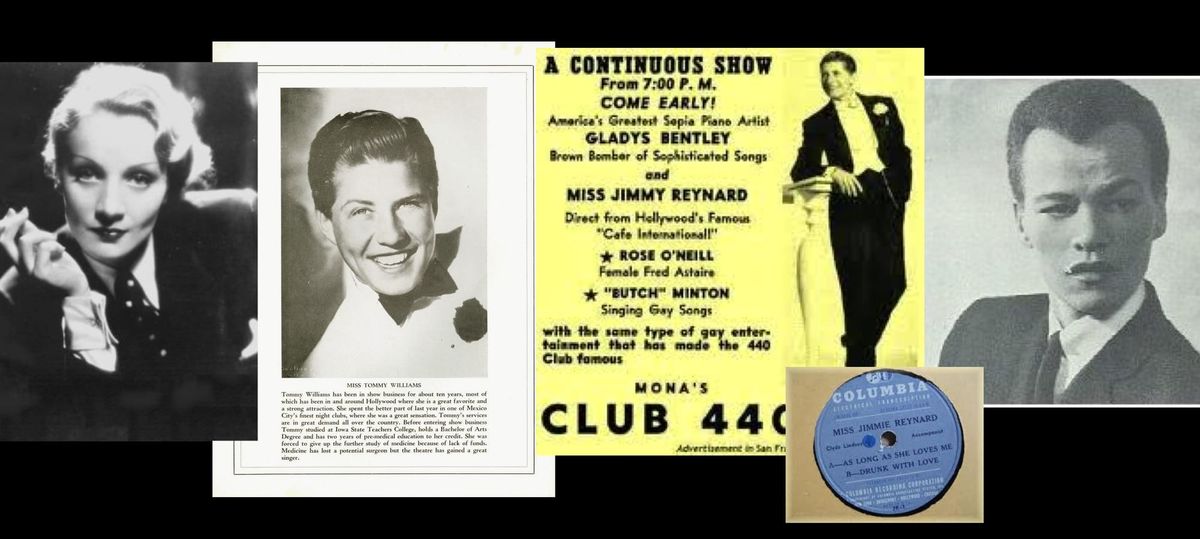
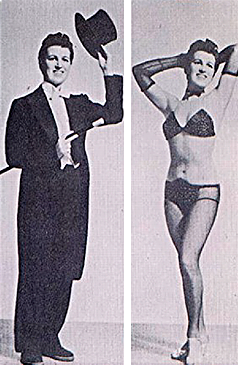
On (and in) the heels of Prohibition, “gender impersonator” acts continued to bring trans, nb, drag, and genderqueer presences to stages and audiences in urban bars across the country. See, for example, this recollection by author Lisa E. Davis and Our Dyke Histories guest and historian Hugh Ryan on Buddy Bubbles Kent, exotic dancer and gender impersonator. All the while trans and gender non-conforming people were targeted for being themselves. While parties continued to thrive underground, the public lesbian bars became a beacon in this era: part sanctuary, part battleground, and always a little bit messy.
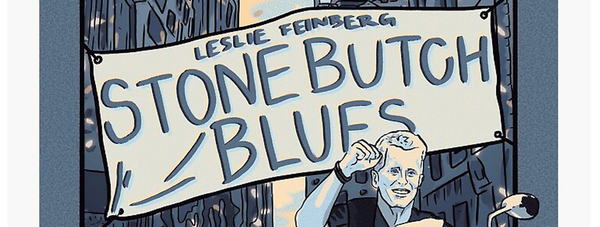
Basically, if you’ve ever locked eyes with a hot stud/butch/masc/nb across a sticky bar floor and thought, “This is dangerous but worth it,” lift a toast to this era and the dykes who survived it. The period from the 1940s through the 1960s gave us the blueprint for dyke drama, bar crushes, messy hookups, police raids, and the complicated joy of finding each other in the dark. So next time you’re two bevvies deep (of course, seltzers count) and arguing about whether flannel is a lifestyle or a symptom, remember: Leslie Feinberg walked tall so you can too.
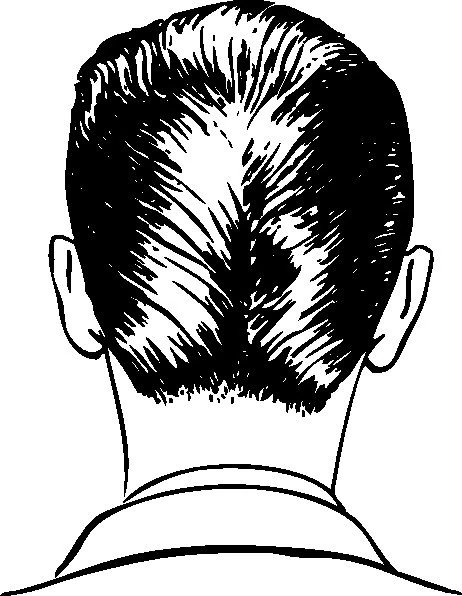
From San Francisco’s lesbian-trans bar Mona’s Candle Light (immortalized in a grainy six-minute film clip that still makes our hearts pound) to Greenwich Village’s fictional Colophon (for Beebo Brinker) and real life Sea Colony (and the very real Joan Nestle and friends), lesbian bars promised the intoxicating mix of safety, sex, and chaos. Inside, femmes dazzled in pin curls, heels, and pencil skirts, butches swaggered in leather jackets or collared shirts with a firm duck’s ass (see left), and gender impersonators made chanteuses faint in the bright light of the stage. Outside, police wagons waited to raid, arrest, and humiliate. This contradiction—the thrill of self-discovery and the constant threat of violence—was the air lesbians, queers, and gender rebels were forced to breathe daily.
More reading guides are forthcoming about:
- Ann Bannon's The Beebo Brinker Chronicles, 1957-1962
- Malinda Lo's Last Night at the Telegraph Club's Lily Hu in San Francisco, 1954
- Mona’s Candle Light in San Francisco, 1950
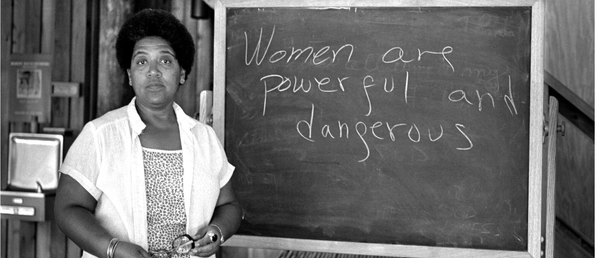
- Audre Lorde in NYC’s Greenwich Village, 1950s-1960s
- Butch-Femme in NYC’s Greenwich Village with Alix Genter, 1940s-1960s
- Leslie Feinberg in Buffalo, 1960s
If you're still stuck on the fact World War II 1) segregated the "sexes" in the U.S. while 2) creating an actual economy for lesbians to have lives, please devour one of the cornerstones of queer history and queer theory IMHO: John D'Emilio's 1983 "Capitalism & Gay Identity."
We have some pretty epic Our Dykes Histories episodes on the 1940s-1960s for you to peruse for more sagas of the mid-20th century lesbian. <3
- Queer Pulp, Dark Bars & the Police State, 1940s-1960s with Joan Nestle, Hugh Ryan, and Alix Genter
- The Gender of Desire: Joan Nestle’s Last Interview, 1940s-1960s NYC
To complement the launch of the Our Dyke Histories podcast, co-produced in collaboration with Sinister Wisdom, I put together a reading guide with my interns Michaela Hayes and Mel Whitesell, with expanded edits to this version by me. A shorter version of this post was originally published with the Sinister Wisdom Blog, 22 Jun 2026. This post was expanded by the lead author.