Reading Guide: The Beebo Brinker Chronicles, 1957-1962
Bannon writes of the iconic, tall, hot, mildly-unhinged Beebo as she tries to make a life for herself in late 1950s Greenwich Village.

We're continuing our Reading Guide Fridays with scoops on some hot, hot readings re dykes in the 1940s-1960s, both from that era and written in retrospect. Our first selection was written during that period.
Which is why I never wanted to read it. I thought it would be too dramatic, or too full of life experiences we'd call content warnings today. Instead, it was just good ol' dyke drama – accept there's so little therapy for these queers to get in the 1950s.
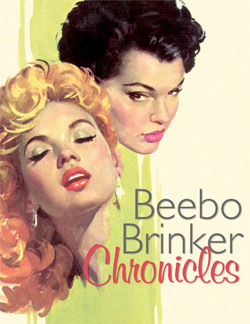
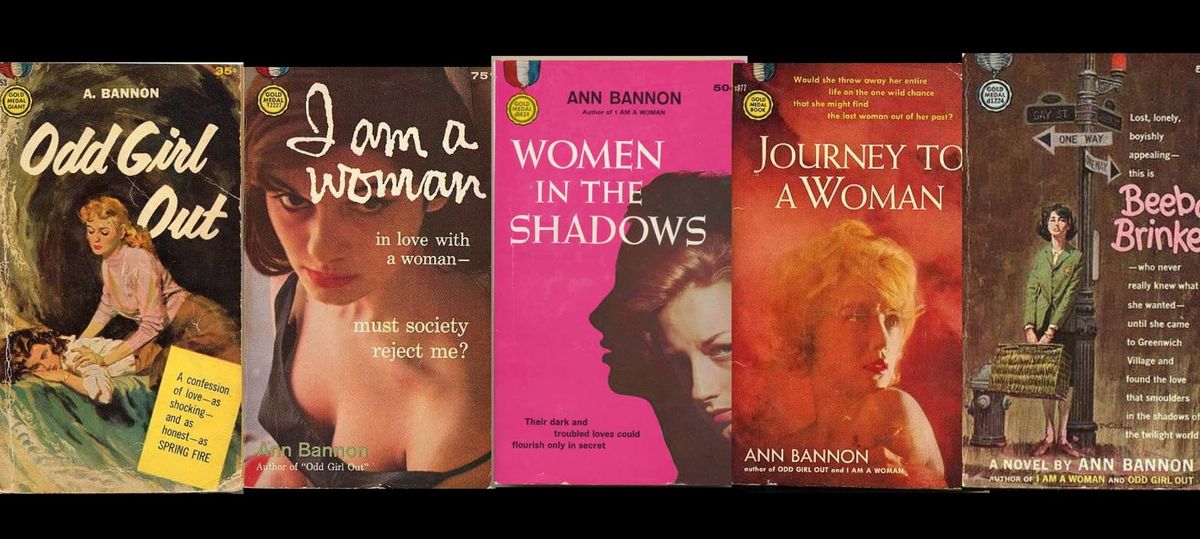
Meet Beebo Brinker, the most final and most popular book of The Beebo Brinker Chronicles. This series was a five-part lesbian pulp series (1957-1962), a.k.a. the super sexy dime store novels of the mid-20th century where the queers usually die. But(!) Beebo doesn’t die...and she's swarthy, sexy, and, at times, 1950s-level sexist. It's intense – and it also helps you really understand how incredibly awful it was to live under such an anti-queer state. This final book is a prequel about how Beebo came to NYC, while the preceding four books focus on her on-again-off-again girlfriend Laura's agony of coming out, first with her sorority love affair, followed by three books in New York City. Spoiler: they are a Uhaul couple and (SHOCKER) it is not an easy relationship.
While there were dozens of lesbian pulp novels, Ann Bannon's books were so popular, they kept being reprinted multiple times. Bannon didn't even know they were popular until they were first reprinted in the 1980s. With the book's tagline, it's no wonder they became many a dykes favorites for generations: "She came to Greenwich Village and found the love that smolders in the shadows of the twilight world." Swoon.
Bannon writes of the iconic, tall, hot, mildly-unhinged Beebo as she tries to make a life for herself in late 1950s Greenwich Village, New York City. After being chased out of her conservative Midwestern hometown at only 18 for cross-dressing at a fair, Beebo turns her humble beginnings on their head. She is also, especially all the more for having come out and into the 1950s as a butch, a hot mess.
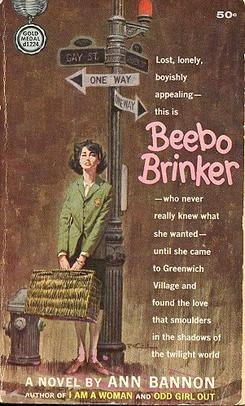
Our hero Beebo wastes no time becoming the hottest butch in the city, aided initially by a semi-closeted gay man who takes her to The Colophon, her first lesbian bar. While the Colophon is where she has her official gay awakening, it is not the central point of her gay chaos. Rather, it is her status as “pizza delivery dyke”--a perfect turn of phrase penned by Autostraddle’s own Kayla Kumari Upadhyaya. Through her pizza delivery job, Beebo meets 1) her sexy archnemesis, Mona, 2) her will-they won’t-they lover Paula, and 3) her tragically unattainable movie-star girlfriend Venus Bogardus.
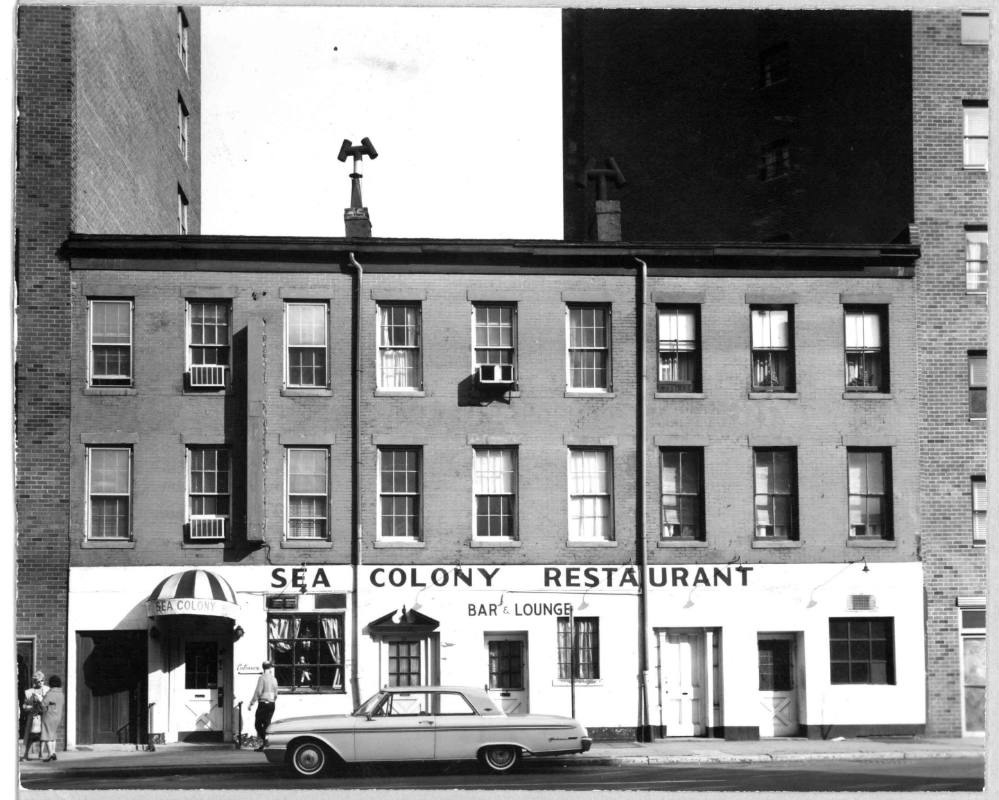
Throughout all this, Beebo's fictionalized lesbian bar The Colophon – based on Joan Nestle's own Sea Colony which Bannon visited! – shimmers behind the scenes as the catalyst into Beebo’s self-acceptance and ensuing queer chaos.
We have some pretty epic Our Dykes Histories episodes on the 1940s-1960s for you to peruse for more sagas of the mid-20th century lesbian. <3
- Queer Pulp, Dark Bars & the Police State, 1940s-1960s with Joan Nestle, Hugh Ryan, and Alix Genter
- The Gender of Desire: Joan Nestle’s Last Interview, 1940s-1960s NYC
To complement the launch of the Our Dyke Histories podcast, co-produced in collaboration with Sinister Wisdom, I put together a reading guide with my interns Michaela Hayes and Mel Whitesell, with expanded edits to this version by me. A shorter version of this post was originally published with the Sinister Wisdom Blog, 22 Jun 2026. This post was expanded by the lead author.